Black Friday special for Zoom whitening

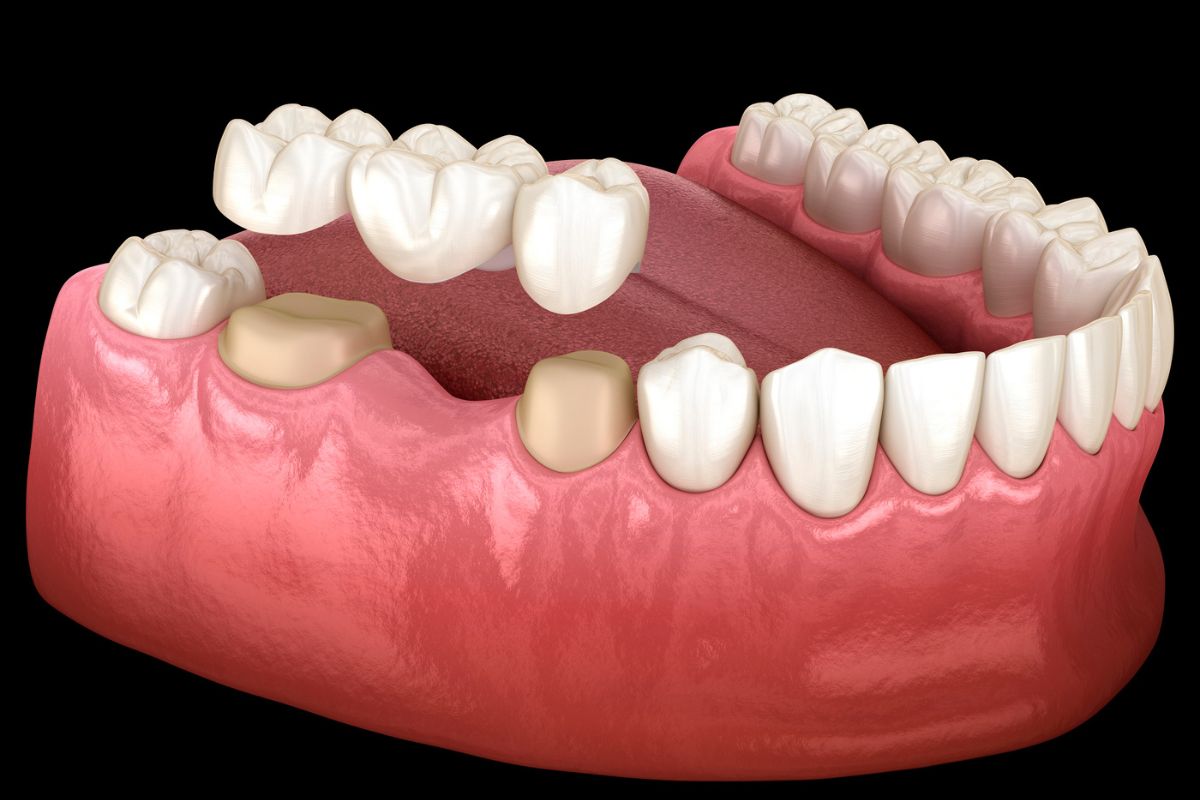
Missing teeth can change more than your smile. You may notice food getting stuck while eating, words sounding slightly different when speaking, or a drop in confidence during everyday conversations. It’s a common concern for many adults, especially when life gets busy and oral health takes a back seat.
A dental bridge offers a reliable way to fill those gaps and restore balance to your smile. Still, many patients feel unsure about what the procedure involves and what to expect at each stage. If you’ve ever wondered whether the process is complicated or uncomfortable, you’re not alone.
This guide is designed to simplify everything. From the first consultation to the final placement, you’ll understand each step clearly so that you can move forward with confidence and clarity.
What Is a Dental Bridge?
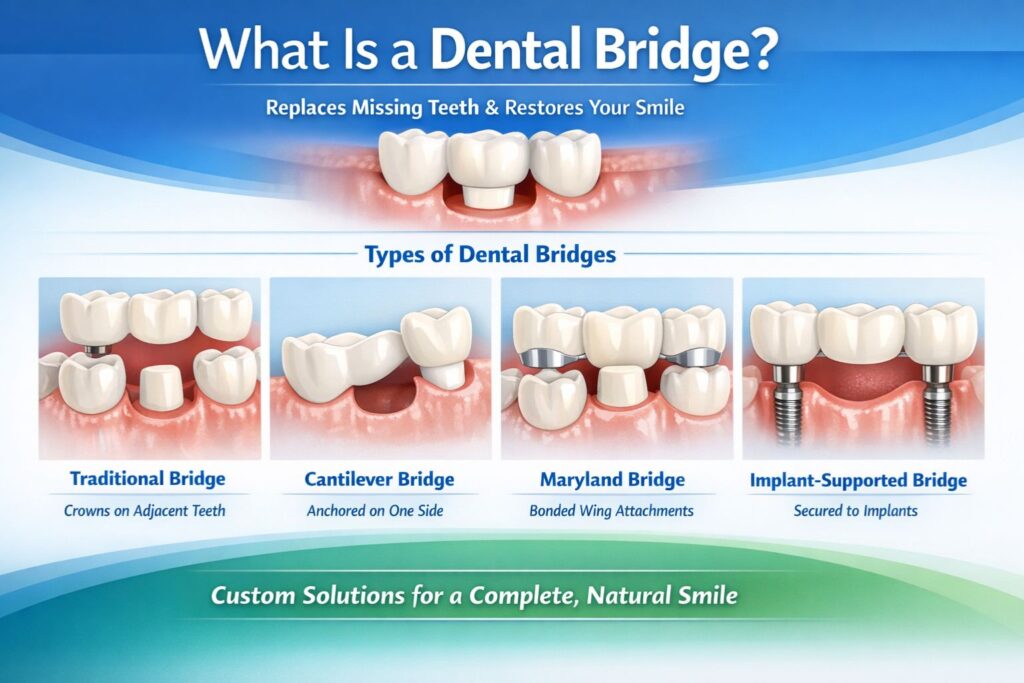
A dental bridge is a custom-made restoration designed to replace one or more missing teeth. It literally “bridges” the gap between natural teeth using artificial teeth supported by nearby teeth or implants.
The goal is simple. Restore function and appearance while keeping your bite stable.
There are several types of bridges, each suited for different needs:
- Traditional bridge – Uses crowns on adjacent teeth to support the artificial tooth
- Cantilever bridge – Anchored on one side when only one adjacent tooth is available
- Maryland bridge – Uses a metal or porcelain framework bonded to the back of nearby teeth
- Implant-supported bridge – Secured using dental implants for added stability
Each option is designed to blend naturally with your smile. A professional will recommend the most suitable choice based on your oral condition and long-term goals.
When Do You Need a Dental Bridge?
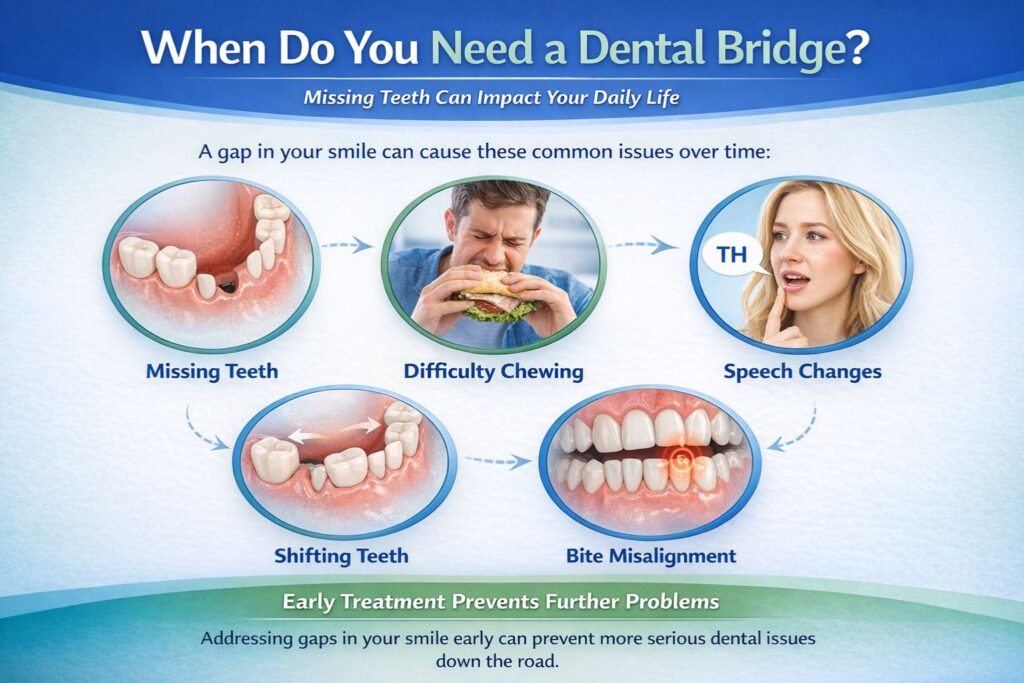
You may need treatment if missing teeth begin affecting your daily life. Even a single gap can cause noticeable changes over time.
Common situations include:
- Missing one or more teeth
- Difficulty chewing certain foods
- Speech changes or slight lisping
- Neighboring teeth shifting into empty spaces
- Bite misalignment or uneven pressure when chewing
For many residents around Bethel Park and the South Hills area, enjoying local favorites, from crusty bread sandwiches to hearty meals, can become challenging when teeth are missing. Over time, untreated gaps may also lead to jaw discomfort or further tooth loss.
Addressing the issue early helps maintain your oral structure and prevents more complex problems later.
Step-by-Step Dental Bridge Procedure
Step 1- Initial Consultation and Examination
The process begins with a detailed evaluation. Your provider will examine your teeth, take X-rays, and assess your overall oral health. This step helps determine whether dental bridges in Pittsburgh are the right solution for you. You’ll also discuss treatment options and expectations.
Step 2- Tooth Preparation
The teeth next to the gap, known as abutment teeth, are carefully shaped. A small amount of enamel is removed to create space for crowns that will support the bridge. This step ensures a secure and natural fit.
Step 3- Impressions and Temporary Bridge
Next, impressions of your teeth are taken using digital scans or traditional molds. These impressions are sent to a lab where your custom bridge is created. Meanwhile, a temporary bridge is placed to protect your teeth and maintain function.
Step 4- Custom Bridge Fabrication
The lab designs your bridge to match the color, shape, and size of your natural teeth. This process typically takes a couple of weeks. The goal is to create a restoration that blends seamlessly with your smile.
Step 5- Final Placement
Once ready, the temporary bridge is removed. The new bridge is checked for fit, comfort, and bite alignment. After any necessary adjustments, it is permanently cemented into place.
Step 6- Follow-Up and Adjustments
A follow-up visit ensures everything feels natural. Minor adjustments may be made to improve comfort and function. At this stage, your bite should feel balanced and stable.
How Long Does the Dental Bridge Procedure Take?
The process is straightforward and typically completed over two to three visits. Most patients can expect the entire treatment to take about two to three weeks.
Here’s a simple breakdown:
- First visit- Examination and preparation
- Second visit- Impressions and temporary placement
- Final visit- Permanent placement
The timeline can vary depending on a few factors. The type of bridge you choose plays a role, as implant-supported options may require additional healing time. Lab turnaround also affects how quickly your custom bridge is ready.
Your oral health condition matters as well. If additional treatments like gum care are needed first, the timeline may extend slightly.
For patients balancing work, commuting through areas like Mt. Lebanon or Upper St. Clair, this treatment is designed to fit smoothly into your schedule with minimal disruption.
Does the Dental Bridge Procedure Hurt?
One of the most common concerns is discomfort during the procedure. The good news is that the process is designed to be as comfortable as possible.
Local anesthesia is used during tooth preparation, so you won’t feel pain while the work is being done. You may notice slight pressure, but it’s manageable.
After the procedure, mild sensitivity or soreness is normal for a few days. This usually fades quickly as your mouth adjusts to the new restoration. Over-the-counter pain relief is often enough to manage any discomfort.
Most patients are pleasantly surprised by how smooth the experience feels from start to finish.
Benefits of Getting a Dental Bridge
Choosing this treatment offers both functional and aesthetic advantages.
- Restores your ability to chew comfortably
- Improves speech clarity
- Maintains the natural shape of your face
- Prevents surrounding teeth from shifting
- Enhances the overall appearance of your smile
Beyond the clinical benefits, many patients notice a boost in confidence. Whether you’re attending a community event or enjoying a day out at South Park, having a complete smile makes everyday interactions feel easier and more natural.
How to Care for Your Dental Bridge
Maintaining your bridge is essential for long-term success.
- Brush twice daily using a soft-bristle toothbrush
- Clean under the bridge with floss threaders or a water flosser
- Avoid very hard or sticky foods that can strain the restoration
- Schedule regular dental checkups
Consistent care helps keep both the bridge and surrounding teeth healthy. With the right routine, your restoration can remain strong and functional for years.
How Long Does a Dental Bridge Last?
With proper care, dental bridges in Pittsburgh can last anywhere from 5 to 15 years or even longer.
Several factors influence its lifespan:
- Daily oral hygiene habits
- Diet and lifestyle choices
- Regular professional checkups
Avoiding habits like chewing ice or using your teeth as tools can help extend its durability. Routine visits allow early detection of any issues, ensuring your bridge remains secure and effective.
When Should You Call Your Dentist After the Procedure?
While most recoveries are smooth, it’s important to know when to seek help.
Contact your provider if you notice:
- Persistent or increasing pain
- A loose or shifting bridge
- Gum irritation or swelling around the area
Early attention prevents small concerns from becoming larger problems. Staying proactive ensures your restoration continues to function properly.
A complete smile plays a vital role in how you eat, speak, and feel every day. Replacing missing teeth with a well-designed solution can restore both function and confidence.
At South Hills Dental Arts, the focus is on delivering care that feels comfortable, clear, and personalized. From your first consultation to your final result, every step is designed to help you feel informed and at ease.
If you’re ready to take the next step, schedule your consultation today. Call South Hills Dental Arts and let the team help you regain a smile that feels natural and strong.
What People Ask
How long does it take to get a dental bridge?
Most cases are completed in two to three visits over a few weeks. The timeline depends on the type of bridge and how quickly the custom restoration is prepared.
Can I eat normally after getting a dental bridge?
Yes, once the bridge is securely in place, you can return to your normal eating habits. It’s best to start with softer foods and gradually reintroduce harder textures.
Is a dental bridge a permanent solution?
A dental bridge is a long-term restoration, but not permanent. With proper care, it can last many years before needing replacement or adjustment.
How soon can I return to normal activities after the procedure?
Most people resume daily activities right away. Mild sensitivity may occur, but it usually does not interfere with routine tasks.
Does a dental bridge require special maintenance?
It requires consistent oral hygiene and routine dental visits. Proper care helps protect both the bridge and the supporting teeth for long-term success.