Black Friday special for Zoom whitening

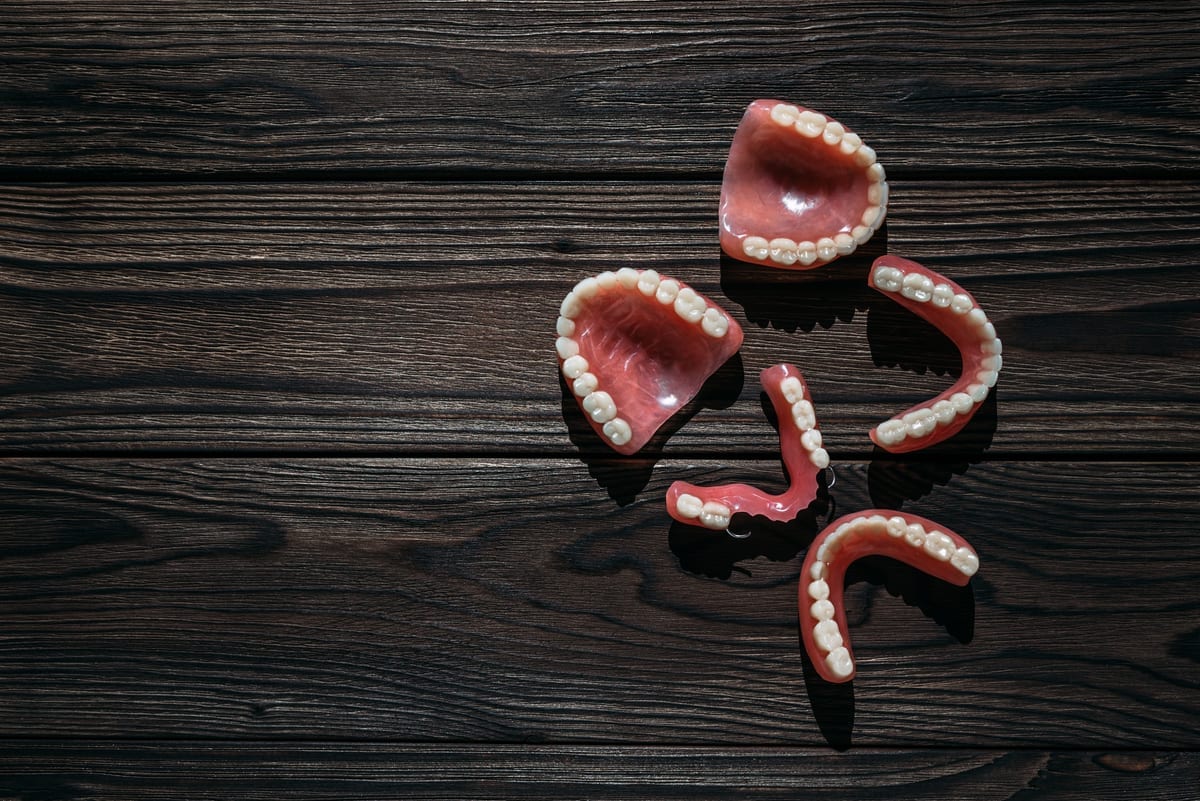
Getting new dentures is a life-changing step. But learning to eat again can feel overwhelming at first. This complete food guide to eating confidently with new dentures in Pittsburgh is designed to walk you through every stage. Whether you just received your dentures last week or you are still adjusting, this guide will help you feel comfortable at the table again.
At South Hills Dental Arts – Upper St. Clair, Dr. Hadil Yousef works closely with patients throughout the adjustment process. Eating well with dentures is absolutely possible. It simply requires patience, the right food choices, and a clear plan.
The First Two Weeks: Starting With Soft Foods in Pittsburgh
Your gums need time to adjust after receiving new dentures. During the first two weeks, soft foods are your best friends. They reduce pressure on tender tissue and help you build confidence slowly.
Start with foods that require very little chewing. These options are gentle and nutritious:
- Yogurt, pudding, and smooth applesauce
- Scrambled eggs and soft-boiled eggs
- Oatmeal and cream of wheat
- Mashed potatoes with butter or gravy
- Smoothies and protein shakes
- Soft fish like tilapia or cod
- Soup with tender vegetables
Cut food into very small pieces even during this phase. Chew slowly and use both sides of your mouth equally. This prevents your dentures from tipping or shifting while you eat.
Avoid using your front teeth to bite into food right away. That motion puts uneven pressure on the denture. It can cause soreness and loosening over time.
Weeks Three Through Eight: Expanding Your Diet Gradually
After the first two weeks, most patients feel more comfortable and confident. Your gums are toughening up and your mouth is learning how to hold the denture in place. This is the right time to slowly expand your diet.
Introduce foods with slightly more texture one at a time. Do not rush this process. Adding too many new foods too quickly can cause setbacks.
Here are good foods to try during this phase:
- Soft pasta and well-cooked rice
- Tender chicken or ground beef
- Cooked vegetables like carrots, green beans, and zucchini
- Soft bread without crusty edges
- Canned fruits or peeled ripe fruits
- Soft cheeses
- Pancakes and soft muffins
Pay attention to how each food feels. Some days will feel easier than others. That is completely normal during the adjustment period.
If you notice consistent soreness in one spot, contact Dr. Yousef at South Hills Dental Arts. A small adjustment to the denture often resolves the issue quickly.
Foods to Avoid Permanently With Dentures
Some foods are simply not compatible with dentures long-term. Knowing what to avoid permanently protects your dentures and your gum health. It also prevents frustrating and painful experiences at mealtimes.
Certain foods can crack, dislodge, or damage your denture. Others can get trapped underneath and cause irritation or infection.
Always avoid these foods:
- Sticky foods — caramel, taffy, peanut butter, and gummy candies pull at the denture
- Hard foods — raw carrots, whole apples, nuts, and hard candy can crack the denture
- Tough meats — steak and pork chops require heavy biting force
- Corn on the cob — this motion destabilizes dentures quickly
- Popcorn — hulls easily get trapped beneath the denture base
- Seeds and small grains — they slip under the denture and cause irritation
This is not about deprivation. Many of these foods have softer alternatives you will enjoy just as much. Sliced apples instead of whole ones. Nut butters blended into smoothies. Tender pulled pork instead of a tough chop.
Practical Tips for Confident Eating Every Day
Beyond food choices, how you eat matters just as much as what you eat. A few daily habits make a significant difference in comfort and stability.
First, always chew on both sides of your mouth at the same time. This keeps pressure balanced. One-sided chewing tilts the denture and causes slipping.
Second, cut all foods into small, uniform pieces before putting them in your mouth. This reduces the force needed to chew. Smaller bites also give you more control over the denture.
Third, take your time. Eating with dentures is not a race. Slow, deliberate chewing improves comfort and digestion. It also gives your muscles time to adapt to their new role.
Fourth, stay hydrated. A dry mouth makes denture adhesive less effective and gum tissue more sensitive. Sip water throughout every meal.
If you are exploring additional dental solutions to complement your new smile, our Cosmetic Dentistry Pittsburgh services offer a full range of options to enhance your confidence further.
How Pittsburgh Patients Can Get the Most From Their Dentures
Living in Pittsburgh means access to a wonderful food culture — from Primanti Brothers sandwiches to pierogies. Adapting your denture routine to Pittsburgh’s local cuisine is part of the journey.
Many Pittsburgh favorites can be modified for denture wearers. Pierogies are naturally soft when boiled. Soups and stews are excellent choices year-round. Fish from local restaurants can be prepared to a tender texture.
Dr. Hadil Yousef and the team at South Hills Dental Arts understand the unique lifestyle of Pittsburgh patients. Regular follow-up visits help ensure your denture continues to fit well as your gum tissue changes over time. Fit affects everything — especially eating comfort.
Patients who come in for routine adjustments consistently report better eating experiences. Do not wait until something hurts to schedule a checkup.
We love hearing success stories from our patients. When you feel ready to celebrate your new smile, the Thank You Pittsburgh community at South Hills Dental Arts is here to cheer you on every step of the way.
Frequently Asked Questions
How long does it take to eat normally with new dentures?
Most patients feel significantly more comfortable eating within six to eight weeks. Full adaptation can take three to six months. Everyone adjusts at a different pace, and that is perfectly normal.
Can I eat hot foods with dentures?
Yes, but use caution. Dentures can reduce sensitivity to heat in your mouth. This means you may not feel when food is too hot. Let hot foods cool slightly before eating to avoid burns.
Should I use denture adhesive when eating?
Denture adhesive can help improve stability during meals, especially in the early weeks. Ask Dr. Yousef which adhesive is appropriate for your specific denture type and fit.
What should I do if my dentures hurt after eating?
Mild soreness is common in the early adjustment period. If pain is sharp, persistent, or worsening, contact your dentist promptly. A simple denture adjustment often resolves the discomfort quickly.
Will I ever be able to eat crunchy foods again?
Some crunchy foods remain off-limits permanently, like hard candy and raw nuts. However, many patients successfully eat lightly toasted bread, soft crackers, and cooked vegetables with a satisfying texture after full adaptation.
Eating with new dentures takes time, patience, and the right guidance. Dr. Hadil Yousef and the South Hills Dental Arts team in Pittsburgh are here to support you every step of the way. Your comfort and confidence at mealtime truly matter to us. Book Now to schedule your appointment with our team.