Black Friday special for Zoom whitening

Losing a tooth can significantly impact your confidence and health. Dental implants have emerged as a permanent, natural-looking solution for people who want to regain their beautiful smiles. Whether you have lost a tooth due to any health issue, injury, or aging, dental implants have been observed to serve as a remarkable alternative to your lost tooth that feels and looks like your real tooth. Dental implants have not only been observed to have a noteworthy impact on your appearance but have also been found to have an immense effect on your dental health by maintaining your jaw structure.
In Upper St. Clair, PA, dental implants have emerged as a preferred solution for patients looking for a long-term fix for their dental issues. Thanks to advances in dental implant technology, there are a variety of dental implant options that cater to patients’ needs. Whether it is endosteal dental implants or the ‘All on 4’ dental solution, there are various dental implant options that cater to the requirements of patients. In this guide, patients will be provided with information on various dental implant types and what they can expect from a dental implant procedure.
What Are Dental Implants?
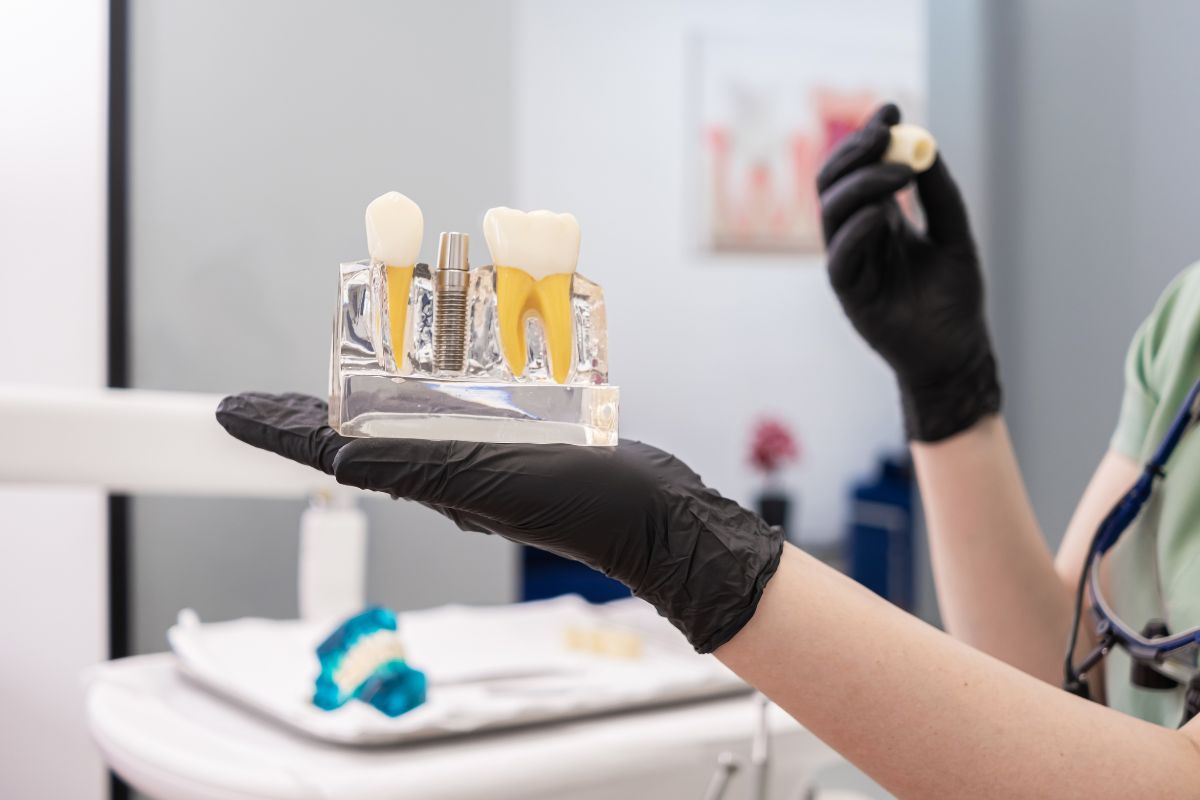
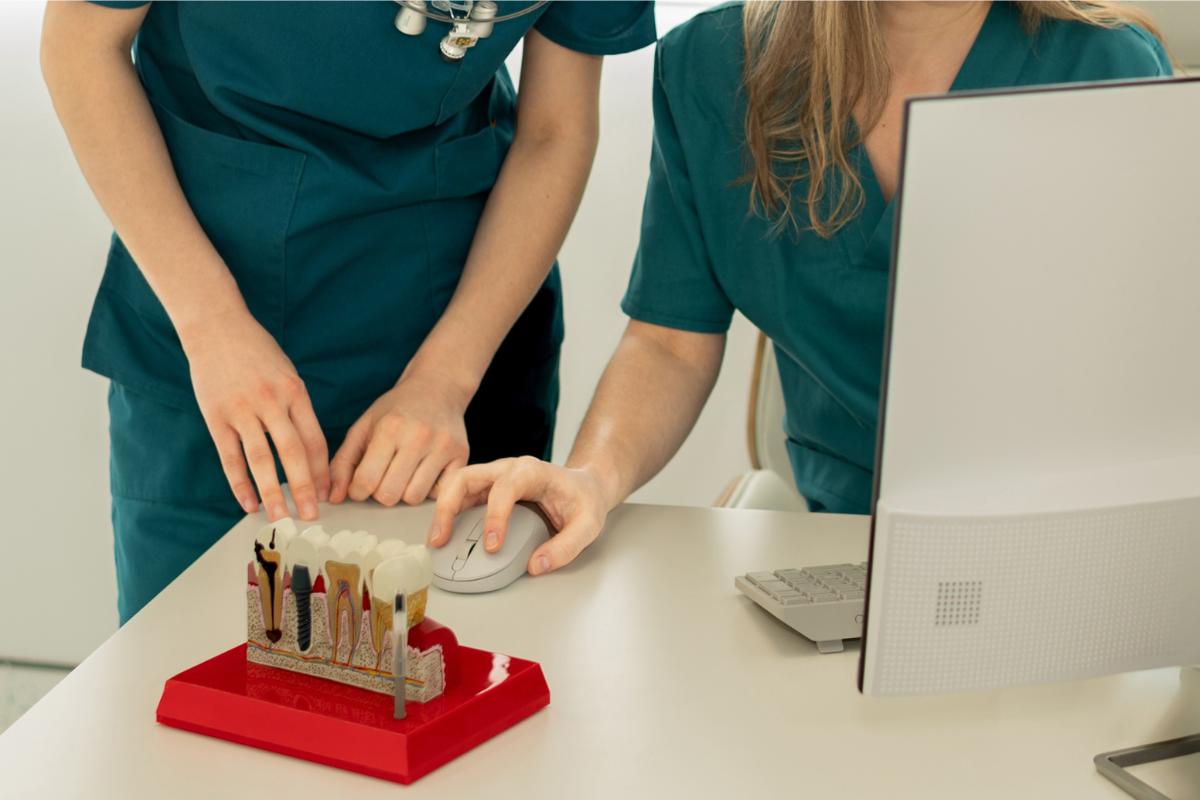
Dental implants are artificial roots used to replace missing teeth or a set of teeth with a bridge. They differ from traditional dentures because dental implants are meant to last a lifetime and function like natural teeth. They are the best option for anyone who is looking to regain confidence through dental care.
Types of Dental Implants
If you are looking for dental implants in Upper St. Clair, PA, there are various options to choose from. Different options offer unique benefits, depending on the requirements you may be facing and the overall health of the jawbone. Here is an overview of the various options for dental implants:
Endosteal Implants
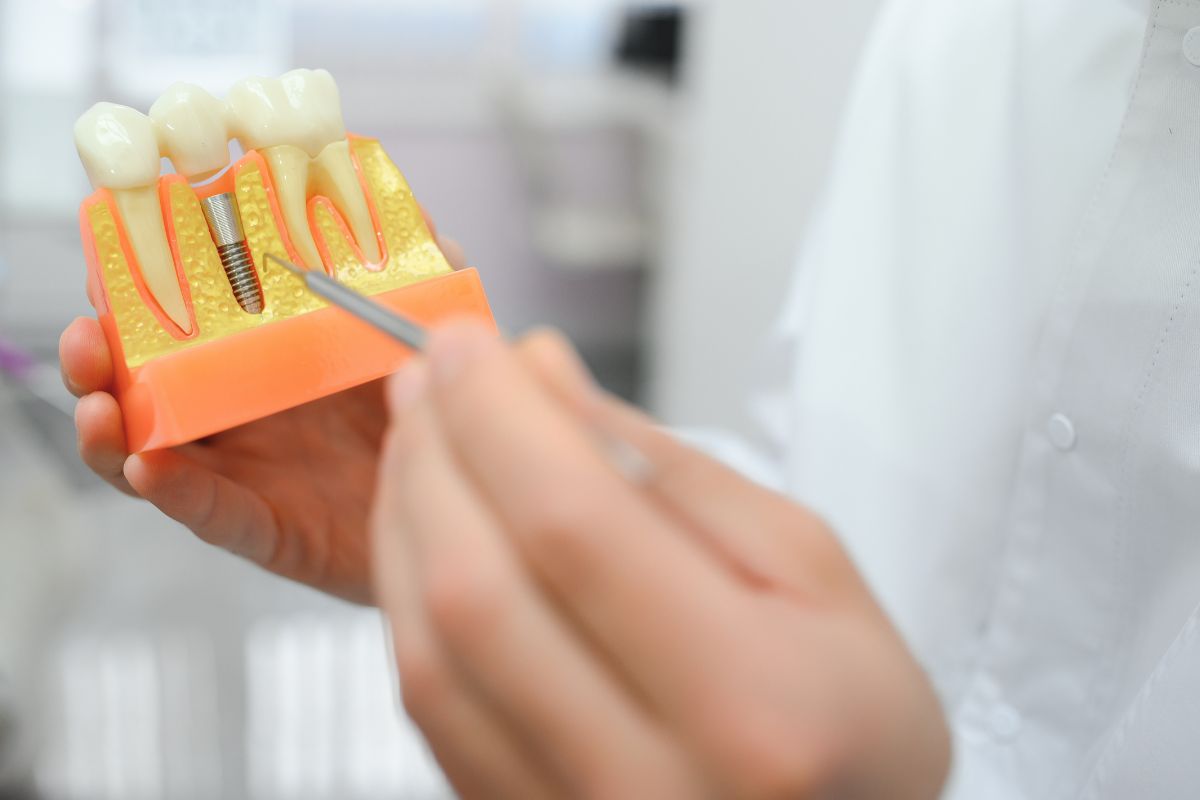
Endosteal implants are the most widely used type of dental implants. These implants are directly placed in the jawbone and serve as artificial roots for teeth. Once the jawbone heals, an artificial crown, bridge, or denture can then be attached to it. These are best suited for people with a healthy jawbone who are seeking a permanent solution for missing teeth.
Subperiosteal Implants
These implants are placed under your gum line but above the jawbone. They are recommended for individuals whose bone mass might not be sufficient for endosteal implants. The implants rest on the jawbone, while the posts protrude through the gums and beneath the artificial teeth. They are the best option for people whose jaws have reduced bone mass to accommodate traditional implants.
All-on-4 Implants
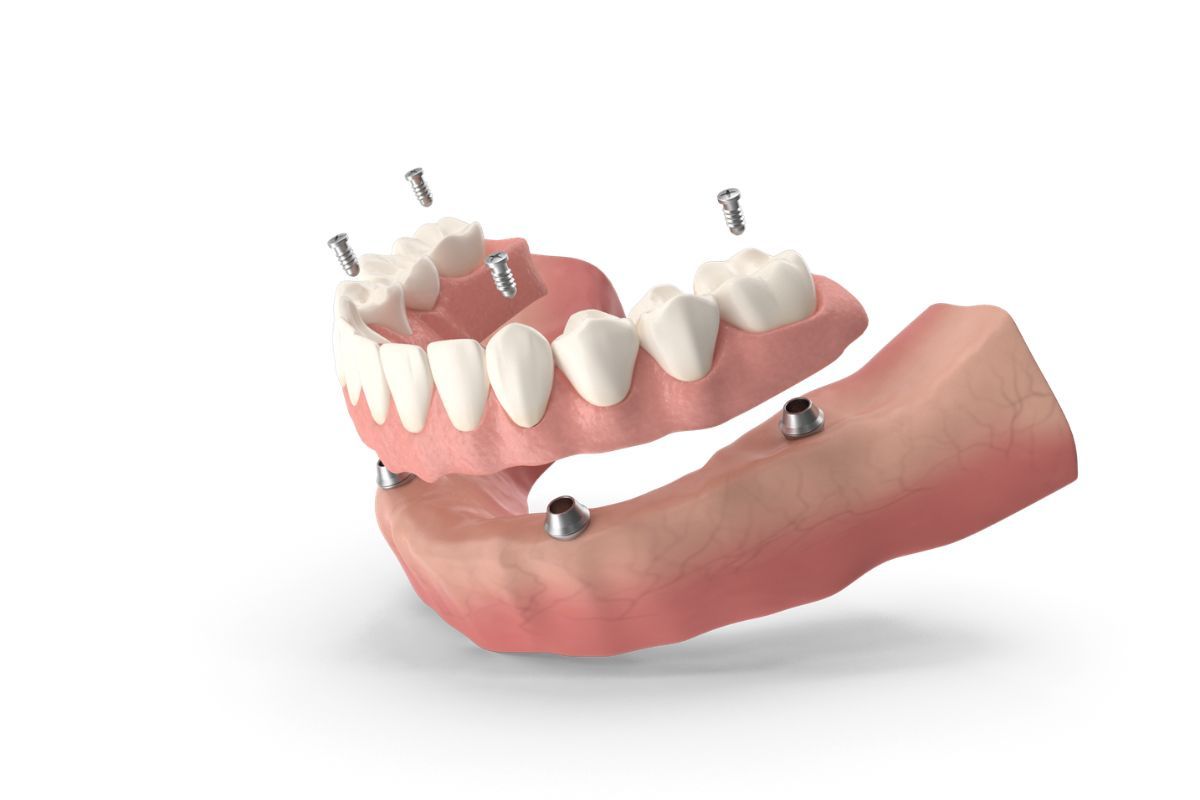
An All-on-4 dental implant procedure allows a patient to have an entire arch composed of upper and/or lower teeth supported by only four implants. This innovative method can be an effective option for patients residing in and around Upper St. Clair, PA, to overcome complete tooth loss because it requires fewer implants.
Zygomatic Implants
Zygomatic implants are specialized devices used when there is bone loss in the upper jaw. Zygomatic implants are not placed inside the jawbone, unlike regular implants. These implants are fixed in the cheekbone (zygomatic bone) and are usually recommended for patients with very little bone in the upper jaw. Zygomatic implants are not only complex; they can also be very successful in helping an individual smile again if regular implants fail.
Mini Implants
Mini-implants are smaller than regular implants and are usually used to support dentures or as an alternative when regular implants would be too invasive. They are less expensive and easier to install, requiring less bone. Though not as durable as regular implants, mini-implants can still be an effective option for someone with limited space and jawbone problems.
Advantages of Dental Implants
Implants have a reputation for achieving functional and aesthetically desirable outcomes. Below are some of the main advantages that come with the use of dental implants:
Durability
Dental implants are meant to last a lifetime when properly maintained. Unlike dentures, which have a lifespan of only a few years, dental implants can be considered a lifetime solution, as only routine care is needed.
Natural Appearance
The implants are made to resemble your natural teeth. The crowns placed on these implants are shaped to match the dimensions and color of your natural teeth. Your implants should look no different from your natural teeth.
Improved Oral Health
Dental implants also prevent bone loss that may occur when a tooth is lost. This is because dental implants stimulate bone, helping it remain strong and maintain your oral health. Dental implants also do not affect the supporting teeth like bridges do.
Comfort and Functionality
Dental implants are embedded in the jawbone, giving them as much strength as natural teeth have. You will have no worries about teeth moving when you want to eat, talk, or even smile, as you would have if you had natural teeth.
Prevention of Further Bone Loss
One of the most significant benefits of dental implants is that they can help prevent further bone loss in the jaw. When a tooth is lost, the bone below it can begin to deteriorate. This happens because an implant acts as a stimulus for the bone. It prevents further deterioration.
Confidence Boost
The absence of teeth can affect you significantly when it comes to confidence and self-esteem. Dental implants reestablish a smile and boost a person’s confidence when eating, smiling, or speaking.
How Dental Implants Are Placed?
The procedure for getting dental implants usually involves several steps. These steps begin with a consultation and evaluation. The implant dentist would then take X-rays and impressions of your teeth and gums.
Placement of the Implant
The first stage involves implanting the implant in the jawbone. This procedure can only be done with a local anesthetic for your comfort. After the implant is placed, you will have to wait for osseointegration to occur. This can take several months.
Attachment of the Abutment
After the implant fuses with the bone, a small abutment is attached to the top of the implant. This abutment serves as a link between the implant and the tooth.
Placement of the Final Restoration
Finally, the custom-made crown, bridge, or denture is placed on the abutments to complete the restoration.
What to Expect During Recovery?
The time it takes for a dental implant to heal depends on, among other things, the type of implant used. After dental implant surgery, it is common to experience swelling and pain, which can be relieved with over-the-counter pain relievers.
Are You A Suitable Candidate for Dental Implants?
Not everyone is qualified for dental implants. In fact, bone density, gum tissue condition, and one’s health status are among the factors to be considered before the procedure. Patients with adequate bone in the jaw to accommodate the implant are the best candidates for the implant procedure. But for those with bone loss, there are always alternative solutions, such as bone grafting or zygomatic implants.
Take the First Step Toward Your New Smile Today
If you are interested in dental implants, it is a good idea to consult with an implant dentist who can assess your dental health and advise you on which procedure is best suited to your needs. If you are looking for dental implants in Upper St. Clair, PA, South Hills Dental Arts can help.
Give us a call today to schedule a personal consultation. At our practice, we operate with a commitment to honesty with our patients. Our team will thoroughly evaluate your oral condition and determine whether dental implants could improve your smile.
FAQs
1. How long do dental implants last?
Dental implants are designed to be a lifetime solution with proper care. By maintaining good oral hygiene and attending regular dental check-ups, implants can last for decades, providing lasting functionality and aesthetics. They’re a durable and reliable investment in your long-term oral health.
2. Are dental implants painful?
The dental implant procedure is typically performed under local anesthesia, minimizing pain during the procedure. After the procedure, some soreness and swelling may occur, but this can usually be managed with over-the-counter pain medication. The recovery process is generally comfortable for most patients.
3. Can dental implants fail?
Although dental implants are highly successful, failure can occur in rare cases. This may be due to infection, improper placement, or insufficient bone density. Following your dentist’s aftercare instructions carefully, including regular cleanings and check-ups, can significantly minimize the risk of complications and ensure implant success.
4. What should I do if I have missing teeth?
If you have missing teeth, dental implants are an excellent option for restoring both function and appearance. To determine if you’re a suitable candidate for implants, consult with an experienced implant dentist. They will evaluate your oral health and recommend the best treatment tailored to your needs.
5. How do I care for dental implants?
Caring for dental implants is easy and similar to caring for natural teeth. Brush twice daily, floss, and schedule regular dental visits for professional cleanings and check-ups. Maintaining good oral hygiene and following your dentist’s recommendations will ensure your implants stay healthy and functional for years to come.