Black Friday special for Zoom whitening

Full mouth reconstruction is a transformative dental procedure aimed at restoring the full functionality, aesthetics, and health of your teeth and gums. Whether due to tooth decay, injury, or congenital issues, full mouth reconstruction can give you the beautiful, functional smile you’ve always wanted.
However, like any major dental surgery, recovery can be a concern for patients. You may wonder about the discomfort, the healing time, and how to care for your new smile during the recovery period. It’s important to remember that following your recovery plan is key to achieving the best results.
What is Full Mouth Reconstruction?
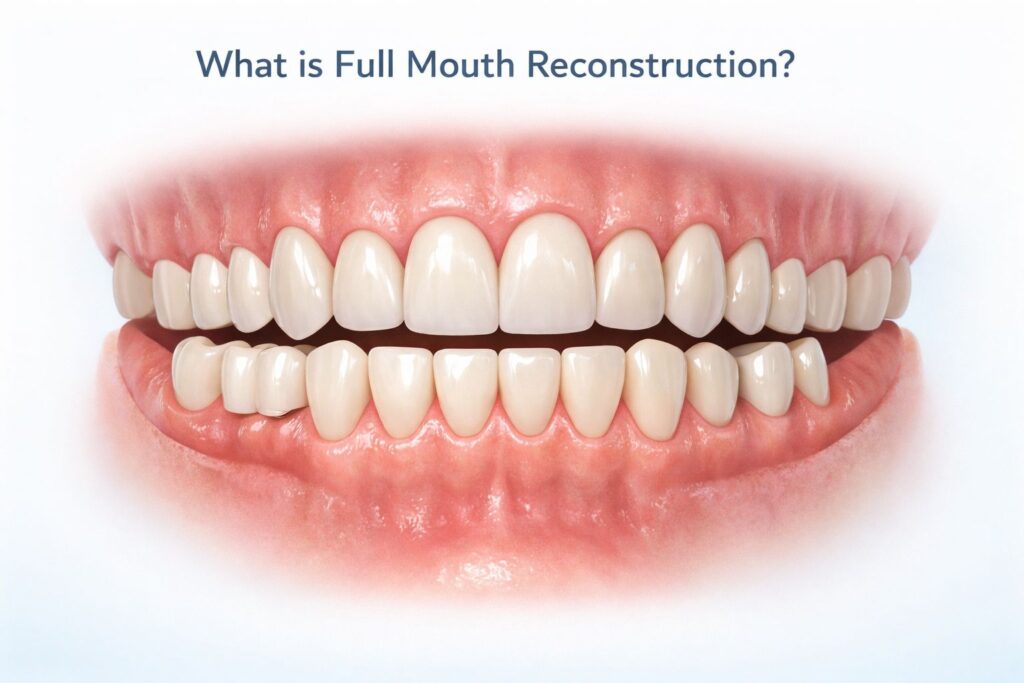
Full mouth reconstruction is an extensive dental treatment plan that involves restoring or replacing all or most of your teeth to improve both appearance and functionality. It may include a combination of procedures such as dental implants, crowns, bridges, veneers, and possibly even bone grafting or gum surgeries.
The goal is to restore the health and aesthetics of the mouth by addressing various dental issues such as missing teeth, severe decay, jaw problems, or bite misalignments.
Who is a candidate for this procedure? Full mouth reconstruction is ideal for individuals with multiple dental issues. This could be due to tooth loss, advanced decay, or structural damage from injury. Some candidates may also have issues with their bite or suffer from conditions such as gum disease or TMJ disorders.
Patients who need full mouth reconstruction in Pittsburgh often struggle with chewing, speaking, or even smiling confidently. South Hills Dental Arts specializes in offering personalized treatment plans that help restore optimal oral health and functionality.
Understanding the Recovery Process
The process after full mouth reconstruction recovery can vary depending on the complexity of the procedure and individual healing responses. However, understanding the general timeline can help set realistic expectations.
Week 1: The first week is often the most challenging. You’ll likely experience some swelling, discomfort, and bruising, particularly if you’ve had dental implants or extractions as part of the reconstruction.
Pain and discomfort can typically be managed with prescribed medications or over-the-counter pain relievers. Swelling around the gums, face, and jaw area is normal, and using ice packs can help reduce inflammation. It’s essential to rest and avoid strenuous activities during this time to ensure proper healing.
Week 2-4: By the second week, much of the swelling and bruising will begin to subside. The pain should also lessen significantly, though you might still experience some discomfort, especially around implant sites.
If you had dental implants placed, this period is crucial as the implants begin to integrate with your bone. Continue to follow your dentist’s recommendations for pain management and oral hygiene.
After 1 Month: After the first month, most patients will notice a significant reduction in discomfort. You’ll likely return to your normal daily activities, but it’s still essential to avoid hard or chewy foods, as your mouth is still healing. This is also a good time for a follow-up visit to ensure everything is healing as expected.
Post-Procedure Care: Essential Steps
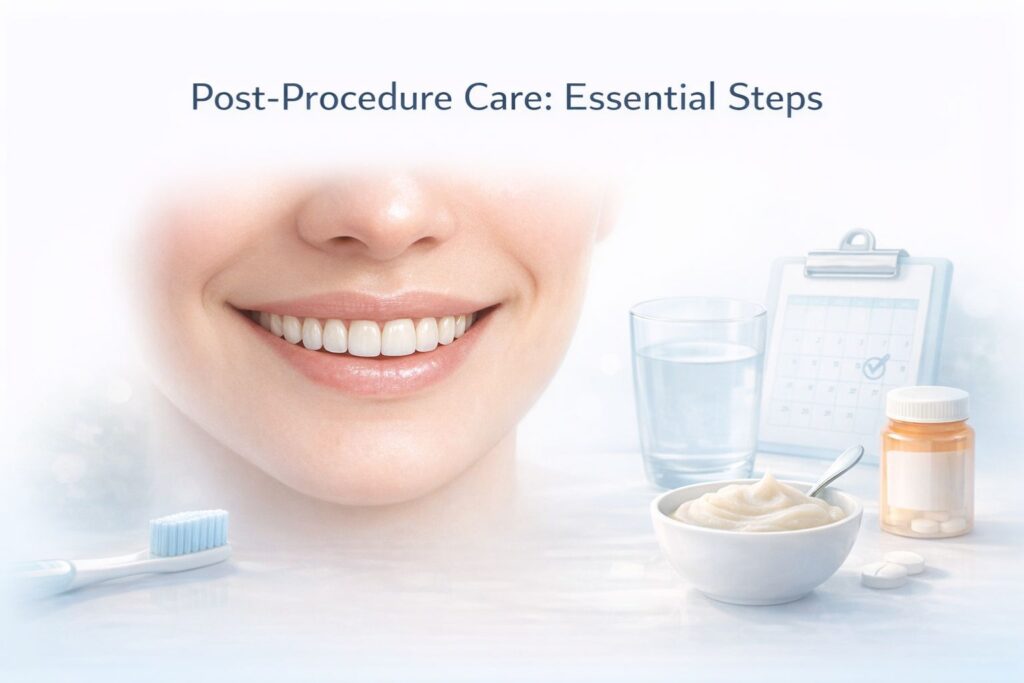
To ensure proper healing and avoid complications after your full mouth reconstruction, follow-up appointments and self-care are essential. At South Hills Dental Arts, we guide you through every step of your recovery.
- Follow-up appointments: Regular check-ups are vital to monitor your progress. Your dentist will evaluate the healing of your implants, crowns, or other restorations, making adjustments if necessary.
- Pain management: Managing discomfort is an essential part of recovery. Over-the-counter pain relievers such as ibuprofen or prescribed medication can help reduce pain and inflammation. Always follow your dentist’s instructions regarding medications to ensure a smooth recovery.
- Eating and drinking: After surgery, sticking to a soft food diet is important. Avoid hard, crunchy, or sticky foods for the first few weeks, as they may disturb the healing process. Foods like yogurt, smoothies, mashed potatoes, and soup are excellent choices during recovery.
- Oral hygiene: Maintaining oral hygiene during recovery can be tricky, but it’s crucial to prevent infection and ensure healing. Brush your teeth gently with a soft toothbrush, avoiding the surgical sites. You may also be prescribed a special mouthwash to help keep your mouth clean.
What to Expect in the First Week
In the first week after full mouth reconstruction, your recovery will focus on managing initial discomfort and swelling. It’s common to experience pain, particularly around any dental implants or new crowns. You may need to rely on pain medications, ice packs, and rest to alleviate discomfort.
Swelling around your gums, jawline, and face is normal. You may also notice some bruising, but these symptoms should start to fade by the end of the week. It’s important to follow your dentist’s advice on pain management, oral care, and diet during this time.
You will be advised to avoid strenuous activities and stick to soft foods. Hard or crunchy foods could irritate the surgical sites and slow down the healing process. This is also a critical time to practice gentle brushing, using a soft toothbrush to avoid disturbing any sensitive areas.
The Healing Process: What Happens Over the Next Few Weeks
After the first week, you’ll notice a steady improvement in swelling and pain levels. The majority of discomfort will subside, though you may still have some tenderness, especially around dental implants or other restoration areas. By this time, you should be able to return to a more normal diet, but stick to softer foods and avoid hard, sticky, or chewy items for a few more weeks.
Physical activity restrictions will gradually lift, but it’s still important to avoid anything too strenuous or jarring that could disrupt the healing process. Rest is still crucial, and you should continue to avoid smoking or drinking alcohol, as these can slow healing.
During this phase, your body is actively healing, and your dental implants will be integrating with your jawbone. This process, known as osseointegration, is vital for the long-term stability of the implants.
Long-Term Considerations
As you move into the later stages of recovery, you’ll begin to adjust to your new dental restorations. If you received dental implants, it’s important to monitor your oral health, as they may take several months to fully integrate. The long-term success of dental implants and crowns depends largely on the maintenance of oral hygiene.
You should continue regular dental check-ups, practice good oral care, and keep an eye on any signs of infection or discomfort. As with any dental procedure, failure to maintain proper hygiene can lead to complications like gum disease or implant failure.
Tips for Speeding Up Recovery
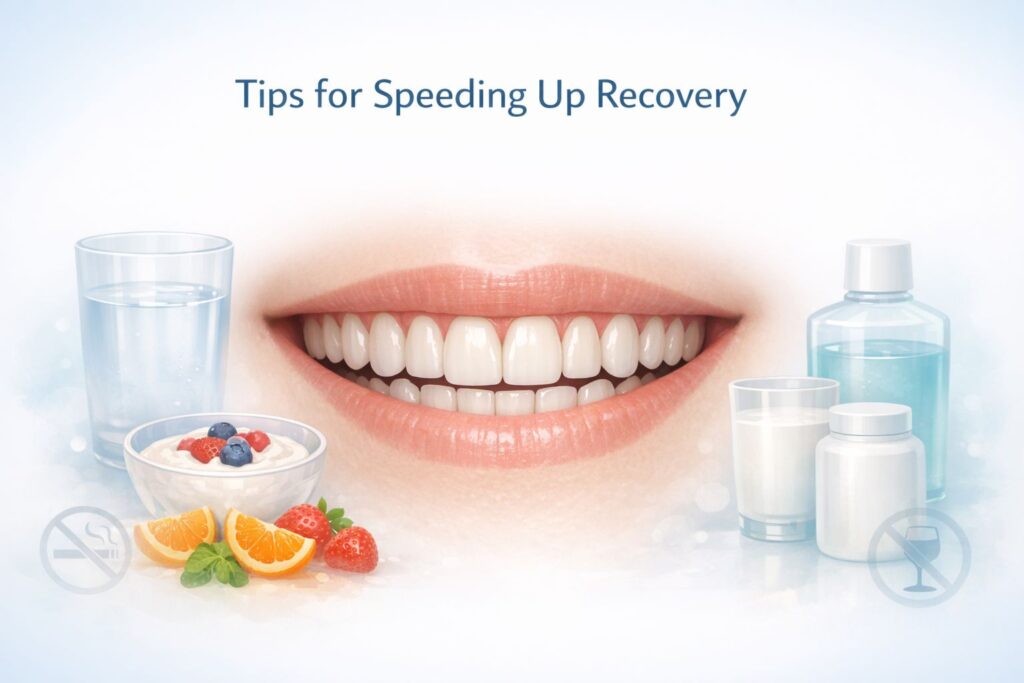
There are several ways to help speed up your recovery after full mouth reconstruction:
- Healthy eating habits, hydration, and rest: Eating a balanced diet full of vitamins and minerals, staying hydrated, and getting plenty of rest will aid in the healing process. Foods rich in vitamin C, calcium, and protein can support tissue regeneration and bone healing.
- Avoid smoking and alcohol: Smoking and alcohol can hinder healing, increase the risk of infection, and delay the recovery process. It’s best to avoid them during the recovery period.
- Use prescribed mouthwashes or rinses: If your dentist has recommended special mouthwashes or antibacterial rinses, be sure to use them as directed to prevent infection and promote healing.
When to Contact Your Dentist
While most people recover smoothly after full mouth reconstruction in Pittsburgh, it’s essential to know when to contact your dentist. If you experience any of the following, you should reach out to South Hills Dental Arts immediately:
- Unusual or worsening pain
- Prolonged bleeding
- Signs of infection, such as fever or pus
- Any issues with your dental implants or crowns, such as loosening or unusual movement
Early intervention can help prevent complications and ensure your recovery stays on track.
Recovering from full mouth reconstruction requires patience, attention to detail, and careful adherence to your dentist’s instructions. By following your recovery plan and attending follow-up appointments, you can ensure the best results for your oral health and aesthetics. If you’re considering full mouth reconstruction, South Hills Dental Arts is here to guide you every step of the way.
Schedule a consultation today to learn more about how full mouth reconstruction can transform your smile and improve your overall oral health.
People Also Ask
Can I eat normally after full mouth reconstruction?
In the first few weeks, you’ll need to stick to soft foods. Gradually, you can return to your regular diet as you heal, but avoid hard or chewy foods.
How do I maintain oral hygiene during recovery?
Brush your teeth gently with a soft toothbrush, and use any prescribed mouthwash to prevent infection. Avoid brushing directly on surgical sites until healed.
When should I contact my dentist during recovery?
Reach out if you experience severe pain, excessive bleeding, signs of infection, or any issues with your dental implants or crowns.
How soon can I return to work or normal activities?
Most people can return to work within a few days, but strenuous activities should be avoided for at least 1-2 weeks to allow proper healing.
Are there any foods I should avoid during recovery?
Avoid hard, crunchy, or sticky foods during the first few weeks. Stick to soft foods like mashed potatoes, yogurt, and soups to avoid irritating healing areas.