Black Friday special for Zoom whitening

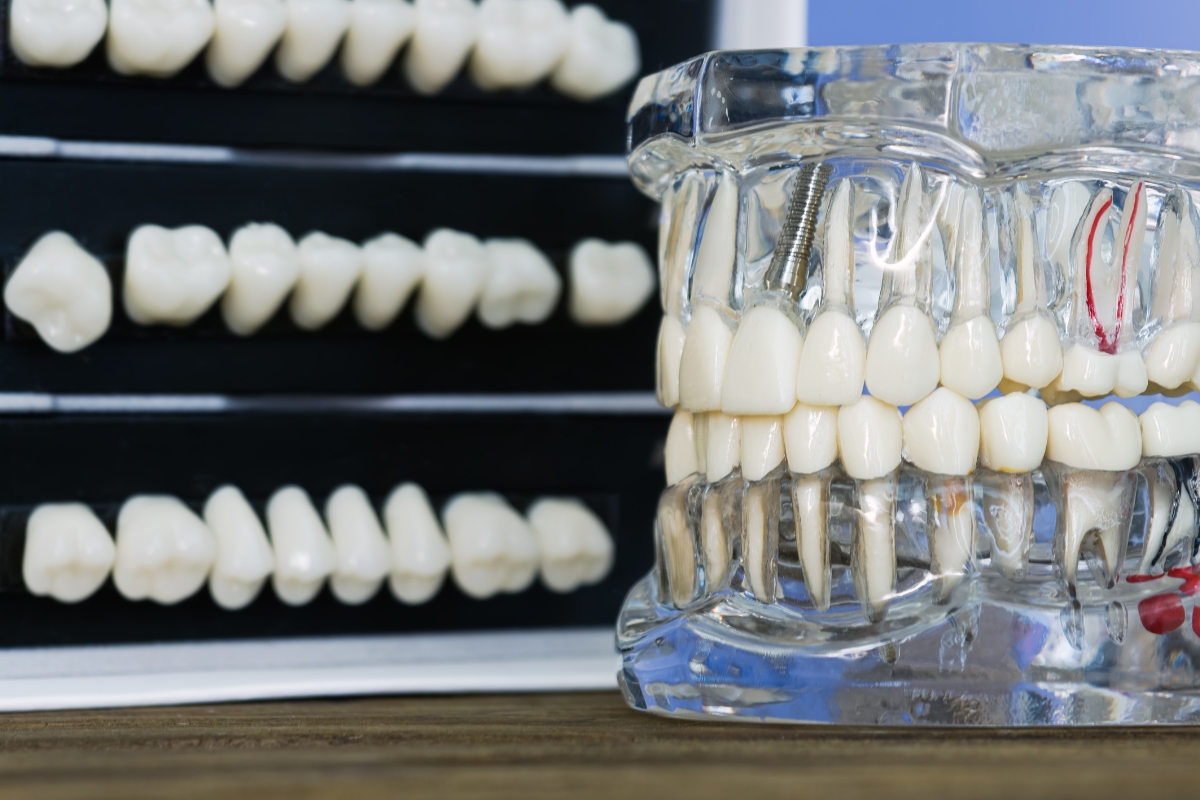
Root canals often get a bad reputation, and many people assume the procedure is painful. The reality is completely different. With today’s modern dental techniques, a root canal is gentle, effective, and surprisingly quick. If your dentist has recommended one, there is no need to panic. In fact, most patients feel relief once the treatment is done. In this blog, we will walk you through what actually happens during a root canal and why it is nowhere near as scary as it sounds. By the end, you will see that the treatment is simple, comfortable, and one of the best ways to save your natural tooth.
What is a Root Canal
A root canal treatment saves damaged or infected teeth by removing inflamed or infected tissue inside the tooth, which can cause pain and swelling. If untreated, it can lead to serious problems; the procedure prevents future issues.
Why You Might Need a Root Canal
You might need a root canal if your tooth gets damaged or infected from decay, cracks, is chipped, undergoes multiple treatments, or is injured. These issues let bacteria in, causing infection. A root canal removes the infection, protects the tooth, and preserves your smile. Saving the tooth also helps you chew comfortably, keeps your bite aligned, and lowers the risk of future dental problems.
How Root Canals Work
People may feel nervous during a root canal treatment because they don’t know what actually happens during the process. The process of root canal is simple and done under local anesthesia to keep you comfortable. Here is a step-by-step guide to root canal therapy:
Step 1: Exam and Numbing
Your dentist examines the tooth and numbs the area. You will not feel pain during the treatment.
Step 2: Cleaning the Inside
A small opening is made on the top of the tooth. The infected pulp is removed. The inside of the tooth is carefully cleaned and shaped.
Step 3: Filling the Tooth
Once the infection is cleared, the dentist fills the tooth with a safe material that seals it. This prevents bacteria from returning.
Step 4: Restoring the Tooth
Most teeth that receive a root canal need a crown for strength. This ensures the tooth looks natural and works like before.
Do Root Canals Hurt
This is the most common question. Thanks to modern tools and techniques, root canals are no more uncomfortable than a regular filling. You may feel pressure, but not pain. After the procedure, mild soreness is normal and improves within a day or two.
Benefits of a Root Canal
A root canal can help improve your oral health and keep your smile healthy! It saves your natural tooth, stops pain and infection, and restores normal chewing. It also protects the surrounding teeth from further damage and helps you avoid an extraction. Most patients experience relief soon after the procedure because the infected tissue is removed, eliminating the source of discomfort.
Root Canal Aftercare Tips
Taking care of your tooth after the treatment helps you heal faster.
- Avoid chewing on the treated side until you get the crown
- Continue brushing and flossing
- Take the medicine prescribed by your dentist.
- Visit for follow-up if advised
Good oral care helps your teeth last for many years.
When to See a Dentist
If you observe tooth pain, swelling, sensitivity to hot or cold, or discomfort while chewing, schedule a visit. Early treatment prevents complications and keeps your smile healthy.
Ready to Save Your Smile?
If you’re experiencing tooth pain, a root canal can be a comforting solution that helps save your natural tooth and get you back to enjoying life pain-free. You’re not alone, and help is available to make you feel better soon. We at South Hill Dental are here to help. Call 4128876226 today to book your appointment. We will make sure your visit is calm, comfortable, and stress-free.
FAQs
1. What is a root canal?
A root canal is a dental procedure that removes infected or damaged tissue inside a tooth. It saves the tooth from extraction, relieves pain, and prevents further infection.
2. Does a root canal hurt?
Thanks to modern anesthesia and techniques, root canals are usually no more uncomfortable than a regular filling. Patients may feel pressure, but pain is minimal. Mild soreness after the procedure is normal.
3. How long does a root canal take?
The procedure typically takes 30–90 minutes, depending on the tooth and the severity of infection. Some cases may require more than one visit.
4. How do I care for my tooth after a root canal?
Avoid chewing on the treated tooth until it is restored with a crown, maintain regular brushing and flossing, take any prescribed medications, and attend follow-up visits as advised by your dentist.
5. Why should I get a root canal instead of having the tooth removed?
A root canal preserves your natural tooth, maintains proper bite alignment, protects surrounding teeth, and allows you to chew comfortably. Extraction can lead to shifting teeth, bite issues, or the need for dental implants or bridges.