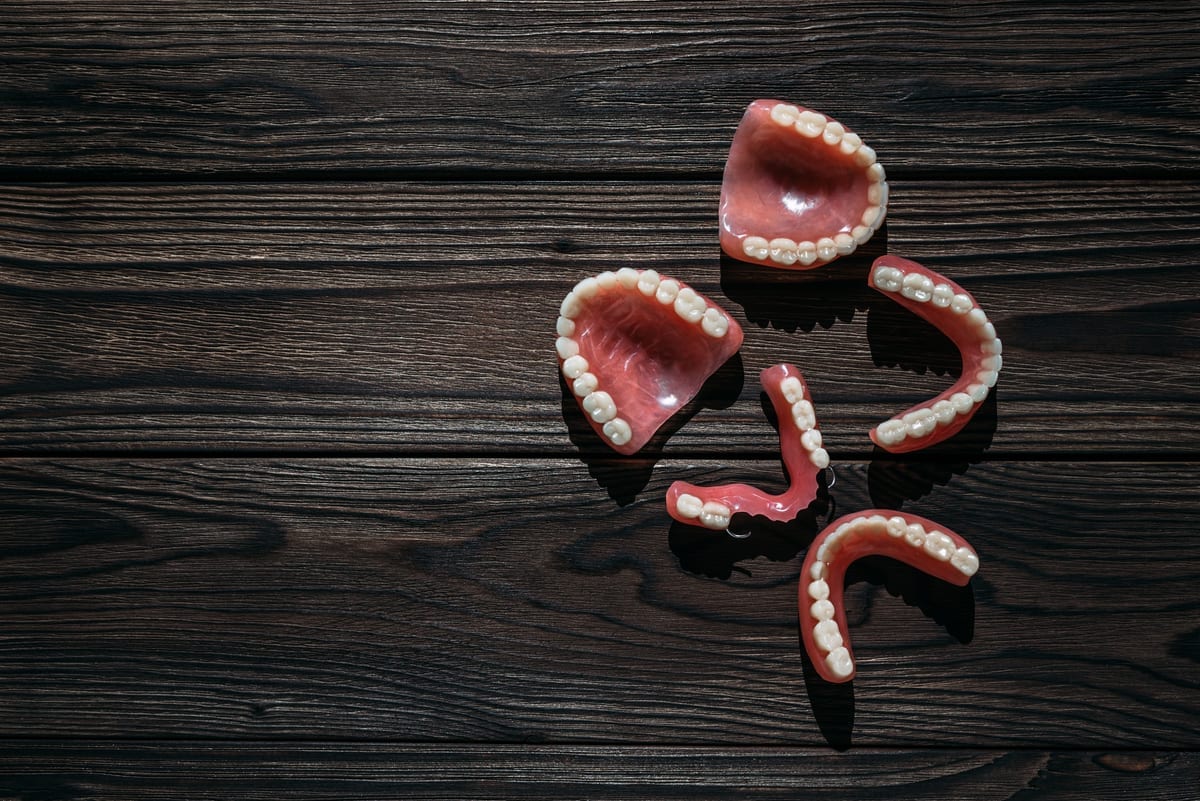
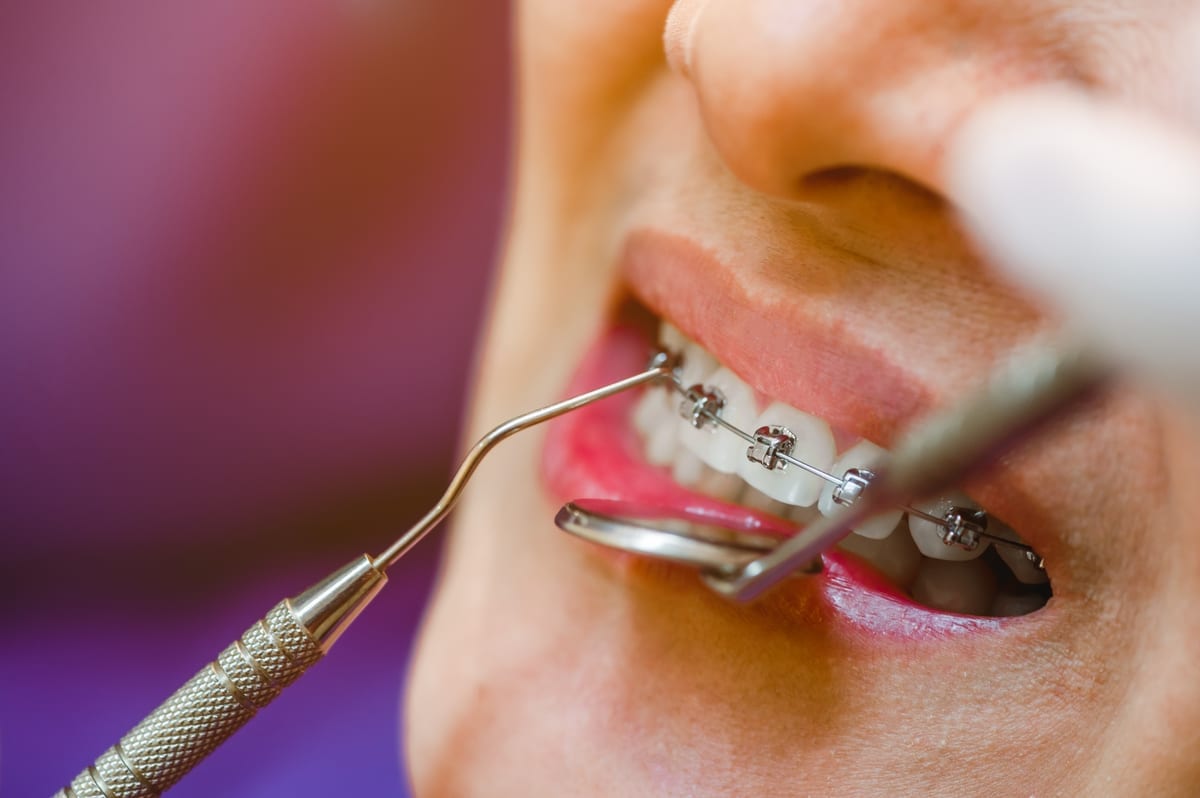
Black Friday special for Zoom whitening

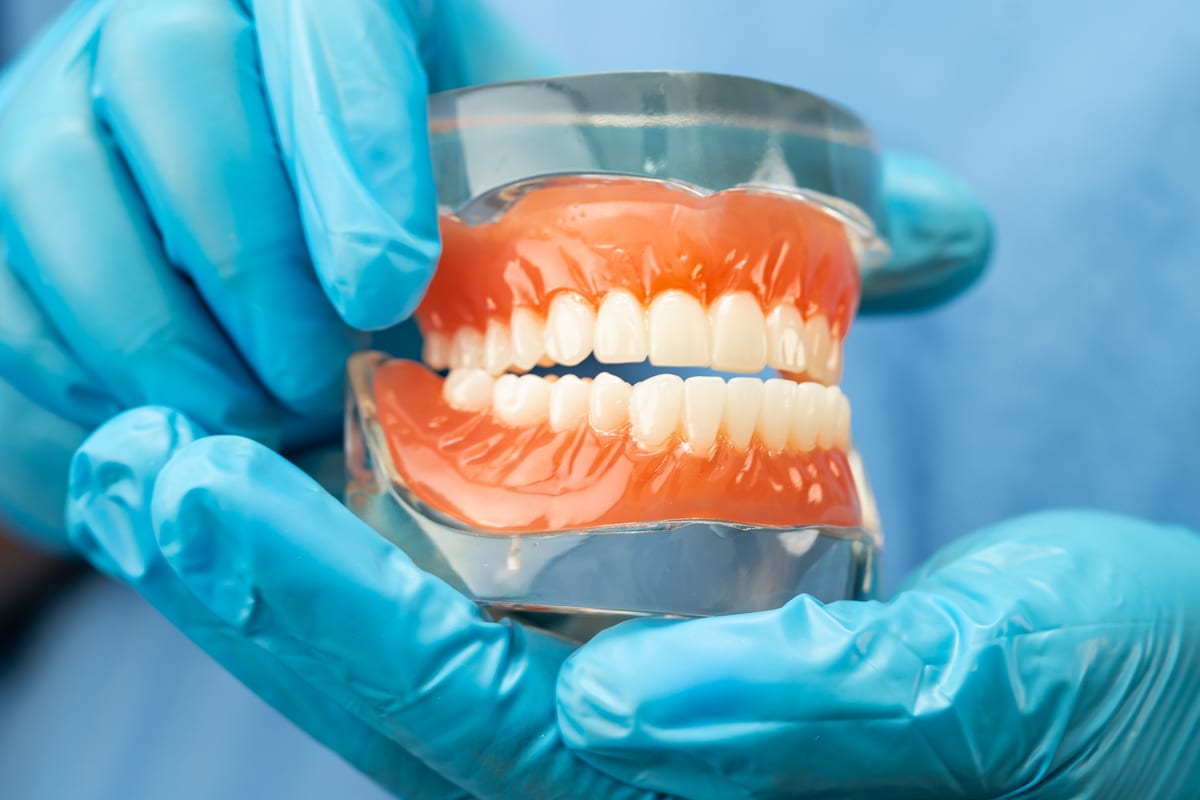
Many Sewickley residents ask the same question when facing significant tooth loss: is a denture the right solution? Understanding what to expect from extraction to wearing in Sewickley helps you make a confident, informed decision. At South Hills Dental Arts – Sewickley, Dr. Steven R. Crandall guides patients through every stage of the process. This article walks you through candidacy, the extraction timeline, healing, and life with a new denture.
Who Is a Candidate for Dentures in Sewickley?
Not every patient with tooth loss automatically qualifies for a denture. Dr. Crandall evaluates several factors before recommending this solution. Your overall oral health, bone density, and gum condition all play a role in determining the best path forward.
You may be a strong candidate for dentures if you experience any of the following:
- Multiple missing teeth in one or both arches
- Severely decayed teeth that cannot be saved with restoration
- Advanced gum disease that has compromised tooth stability
- Broken or cracked teeth beyond repair
- Difficulty chewing or speaking due to tooth loss
Partial dentures work well when some healthy natural teeth remain. Full dentures are recommended when an entire arch needs replacement. During your consultation, Dr. Crandall will review X-rays and perform a thorough exam to confirm which option suits you best.
Patients with uncontrolled gum disease may need Cosmetic Dentistry Sewickley preparatory treatment before moving forward. Addressing underlying issues first leads to better long-term outcomes. Healthy gum tissue supports a well-fitting denture for years to come.
Understanding the Extraction Process and What Comes Next
If you still have remaining teeth that need removal, extractions happen before denture placement. Dr. Crandall performs this procedure with care and precision. Local anesthesia ensures you stay comfortable throughout the entire appointment.
Here is a general overview of what to expect during and after extraction:
- Pre-extraction assessment: X-rays confirm root position and bone structure before any teeth are removed.
- Anesthesia and removal: The area is numbed completely. Teeth are gently loosened and removed one at a time.
- Gauze and clotting: You bite down on gauze after extraction to encourage blood clot formation.
- Post-extraction instructions: Dr. Crandall provides clear aftercare guidelines to support healing at home.
- Follow-up appointment: The team checks your healing progress and monitors the gum tissue.
Some swelling and mild soreness are normal in the first 24 to 72 hours. Over-the-counter pain relief typically manages discomfort well. Avoid hard foods, straws, and smoking during the early healing phase.
In cases of dental emergencies involving painful or infected teeth, prompt care matters greatly. Emergency Dentistry Sewickley services at South Hills Dental Arts – Sewickley can address urgent situations quickly and safely.
The Healing Timeline: What to Expect Week by Week
Healing after extractions takes time. The gum tissue and underlying bone reshape significantly in the weeks and months that follow. This is one of the most important stages when determining whether a denture is right for you and what to expect from extraction to wearing in Sewickley.
Here is a general healing timeline to help set realistic expectations:
- Days 1–3: Initial swelling and tenderness are common. Rest and soft foods are recommended.
- Week 1–2: Gum tissue begins to close over the extraction sites. Most discomfort fades significantly.
- Weeks 3–6: The gum tissue continues to shrink and reshape. Temporary or immediate dentures may be adjusted during this period.
- Months 2–6: Bone remodeling continues beneath the gums. Final denture fittings typically occur after this stabilization period.
Immediate dentures can be placed the same day as extractions. They allow you to maintain appearance and function during healing. However, they will likely need adjustments as your gums change shape over time.
Conventional dentures are fabricated after full healing is complete. They tend to fit more precisely because the gum tissue has fully stabilized. Dr. Crandall will recommend the right timing based on your individual healing progress.
Getting Fitted and Learning to Wear Your Denture
Once healing is complete, Dr. Crandall takes precise impressions of your gum ridge. These impressions guide the fabrication of your custom denture. The goal is a snug, comfortable, and natural-looking fit tailored to your unique mouth.
At your fitting appointment, you will try the denture in for the first time. Dr. Crandall checks the bite alignment, comfort, and aesthetics. Minor adjustments are made chairside to refine the fit before you leave.
Wearing a denture for the first time feels unfamiliar at first. Most patients need a brief adjustment period of several weeks. Speaking, chewing, and smiling with confidence all improve significantly with practice and time.
Some tips that help new denture wearers adjust more quickly include:
- Starting with soft foods cut into small pieces
- Practicing speaking aloud at home to build comfort and confidence
- Using a small amount of denture adhesive if recommended by Dr. Crandall
- Removing and cleaning the denture each night before bed
- Attending all scheduled follow-up appointments for adjustments
Soreness in the first few weeks is normal and expected. Contact the office promptly if pain persists or sore spots develop. Dr. Crandall makes targeted adjustments to relieve pressure points and ensure lasting comfort.
Long-Term Care and Maintenance of Your Denture
A well-made denture can last many years with proper care. However, regular checkups at South Hills Dental Arts – Sewickley remain essential. The underlying bone and gum tissue continue to change over time, which can affect denture fit.
Dr. Crandall recommends routine exams even after full denture placement. He monitors your oral tissues for any signs of irritation or disease. Early detection of problems always leads to simpler, more affordable solutions.
Proper daily maintenance extends the life of your denture significantly. Rinse the denture after each meal and brush it gently each day. Always store it in water or a soaking solution overnight to prevent warping.
Relines and adjustments may be needed every few years as your jaw changes shape. These simple procedures restore proper fit without requiring a brand-new denture. Staying proactive about your denture care protects both your comfort and your investment.
Frequently Asked Questions
How long does the entire denture process take from extraction to wearing?
The timeline varies depending on your healing speed and whether you choose an immediate or conventional denture. Most patients complete the process within three to six months. Dr. Crandall will give you a personalized timeline during your consultation.
Will my denture look natural?
Yes. Modern dentures are crafted to closely mimic the appearance of natural teeth and gum tissue. Dr. Crandall works with skilled dental labs to create a denture that complements your facial features. Most people cannot tell you are wearing a denture at all.
Can I eat normally with a denture?
You can eat a wide variety of foods with a well-fitting denture. Some foods that are very hard or sticky may still be challenging. Starting with softer foods and gradually reintroducing others makes the adjustment much easier over time.
Is bone loss a concern with dentures?
Yes, the jawbone can gradually shrink after tooth loss, which is a normal biological process. This may affect denture fit over the years. Regular checkups allow Dr. Crandall to monitor bone changes and recommend adjustments or alternatives like implant-supported dentures if needed.
What should I do if my denture becomes uncomfortable or breaks?
Contact South Hills Dental Arts – Sewickley right away if you experience persistent pain or if your denture cracks or breaks. Do not attempt to repair it at home with adhesives, as this can cause further damage. Prompt professional care restores your comfort and function quickly.
If you are considering dentures and want expert guidance in a caring environment, Dr. Steven R. Crandall and the team at South Hills Dental Arts – Sewickley are here to help every step of the way. Book Now to schedule your appointment with our team.