Black Friday special for Zoom whitening

Oral surgery recovery is an essential part of achieving optimal results from your procedure. Whether you’ve had wisdom teeth removed, a dental implant placed, or other oral surgeries, proper post-surgery care is vital to ensure smooth healing. At South Hills Dental Arts, we understand how recovery can be just as important as the surgery itself, and we are here to guide you through it.
Following your surgeon’s instructions and taking proactive steps to care for your mouth can make all the difference in your recovery. In this blog, we’ll discuss important recovery tips to help you heal quickly and comfortably, so you can get back to your routine with confidence.
What to Expect After Oral Surgery
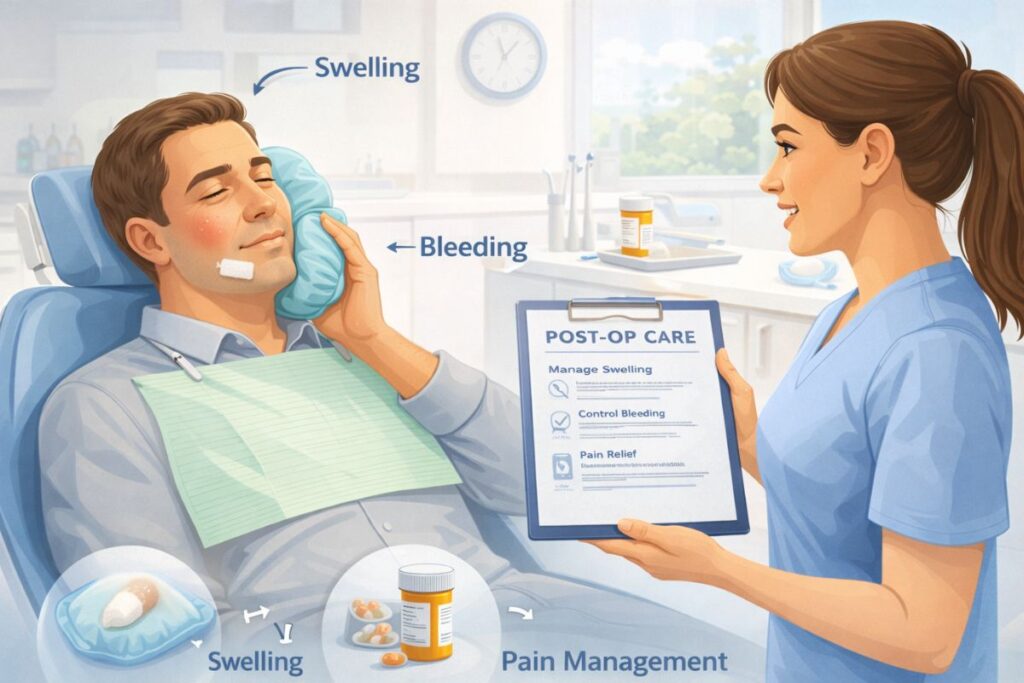
After your oral surgery, it’s normal to experience a few temporary side effects. While each surgery is different, certain symptoms are common in the immediate recovery phase. Pain, swelling, and bleeding can occur as your body works to heal. The intensity and duration of these symptoms vary depending on the extent of the surgery.
Pain and Discomfort
Pain is one of the most common symptoms following oral surgery. It is important to follow your dentist’s instructions for pain management, typically including prescribed medications. Most discomfort should subside within a few days. If it persists, it may be a sign of complications and should be addressed with your dentist.
Swelling
Swelling is another normal part of the healing process. This is your body’s natural response to surgery. You will likely notice swelling around the affected area, which can peak within 48 hours before gradually reducing. To minimize swelling, apply a cold compress to the area for 15-minute intervals. Keep your head elevated when resting to further reduce swelling.
Bleeding
Mild bleeding is expected after oral surgery, especially in the first few hours. This should gradually stop with gentle pressure from gauze. If bleeding doesn’t stop after several hours or if it worsens, contact South Hills Dental Arts immediately. You may also experience minor oozing from the surgical site for a few days.
Recovery Timeline
- First 24-48 hours: Expect the most intense discomfort, swelling, and bleeding. Rest during this time and follow your surgeon’s post-op care instructions.
- Week 1: Swelling and discomfort begin to subside. Avoid strenuous activity and focus on rest.
- Week 2 and beyond: Most patients see significant improvement. If any symptoms persist, follow up with your surgeon.
Reassure yourself that these symptoms are temporary, and with proper care, they should subside in the coming days.
Essential Oral Surgery Aftercare Tips

The key to a smooth recovery lies in proper aftercare. Here are some crucial tips to follow to ensure you heal as quickly as possible:
Follow Your Surgeon’s Instructions
After oral surgery in Pittsburgh, your dentist will provide specific instructions tailored to your procedure. These guidelines may include taking prescribed medications, using a saltwater rinse, and avoiding certain foods and activities. Following these instructions carefully will help prevent complications and promote healing.
Rest
Rest is essential for the healing process. Your body needs time to repair itself, so avoid strenuous physical activity for at least a few days post-surgery. Taking it easy allows your body to focus on healing and reduces the risk of swelling or bleeding.
Diet Recommendations
For the first few days after surgery, stick to soft foods that require little to no chewing, such as mashed potatoes, yogurt, smoothies, and soups. Avoid hot, spicy, and crunchy foods that can irritate the surgical site. Eating nutritious meals will support your recovery and keep your energy up.
Hydration and Oral Hygiene
Stay hydrated by drinking plenty of water. However, avoid using a straw for the first few days, as the suction can disrupt healing. Maintaining oral hygiene is crucial, but be gentle around the surgical site. Brush your teeth carefully, avoiding the area until your dentist clears you to clean it properly.
By following these tips, you’ll create the perfect environment for healing and reduce the chances of complications.
Managing Pain and Swelling
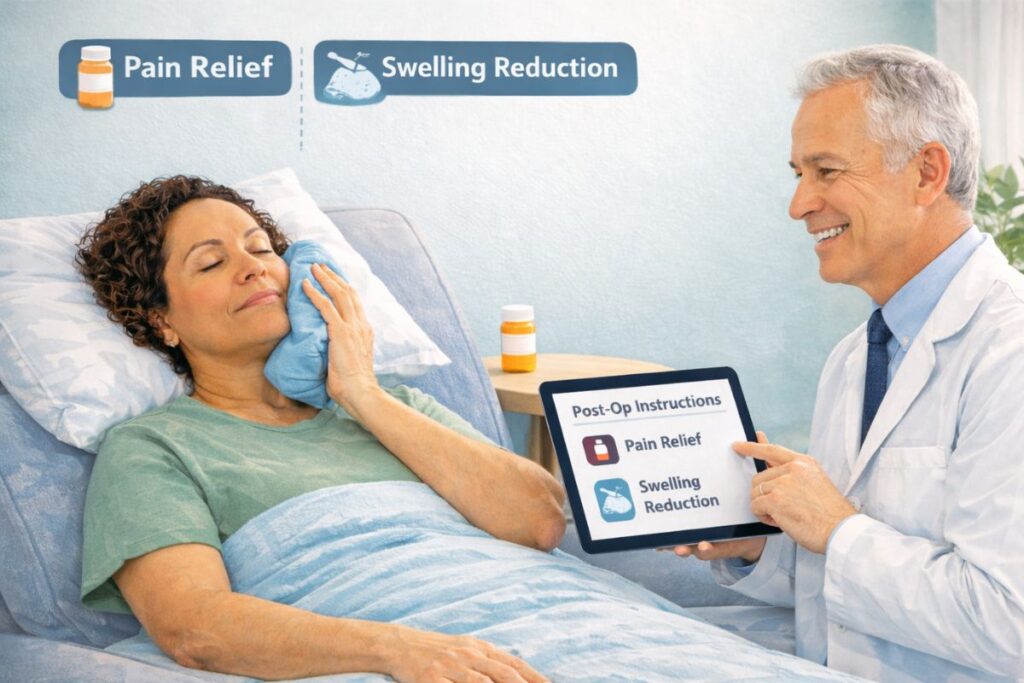
While discomfort is common after oral surgery in Pittsburgh, it’s essential to manage it effectively to ensure a smooth recovery.
Pain Management
Your dentist will prescribe pain medication to help manage discomfort. Make sure to take them as directed, and don’t wait until the pain becomes unbearable before taking your next dose. Over-the-counter medications like ibuprofen may also help alleviate pain.
Swelling Management
Swelling typically peaks within 48 hours after surgery. To reduce swelling, apply an ice pack wrapped in a cloth to the affected area for 15-minute intervals, then take a break. Elevating your head while resting can also prevent fluid from accumulating in the area, reducing swelling. If swelling doesn’t improve after a few days or if it worsens, contact South Hills Dental Arts.
When to Seek Medical Advice
If your pain becomes severe or your swelling doesn’t subside, contact your dentist immediately. These could be signs of complications, such as an infection or dry socket, that require professional attention.
By managing pain and swelling, you’ll be able to heal more comfortably and reduce the risk of long-term issues.
Avoiding Common Pitfalls
During the recovery process, there are certain things you should avoid to prevent complications:
Smoking
Smoking can significantly hinder your recovery by delaying the healing process and increasing the risk of infection. Avoid smoking for at least a few weeks after surgery. If you’re having difficulty quitting, consider reaching out for support.
Drinking Alcohol
Alcohol can interfere with the healing process, especially when combined with pain medication. It’s best to avoid alcohol until you’ve fully recovered and have received approval from your dentist.
Excessive Mouth Rinsing
While it’s important to maintain good oral hygiene, avoid excessive rinsing or spitting, especially in the first few days. This can dislodge blood clots and disrupt the healing process.
By steering clear of these pitfalls, you can ensure a faster and smoother recovery.
Signs of Complications to Watch For
While most recoveries go smoothly, it’s important to know when something isn’t right. Watch for these signs of complications:
Fever
A fever could indicate an infection. If you experience a fever higher than 101°F or if it persists for more than a couple of days, contact South Hills Dental Arts right away.
Severe Pain
Some discomfort is expected, but if the pain becomes severe or doesn’t subside after taking prescribed medication, it could indicate an issue that requires medical attention.
Abnormal Swelling or Bleeding
If you notice significant swelling that doesn’t improve after a couple of days, or if bleeding continues even with pressure, seek help immediately.
Pus or Foul Odor
A foul smell or pus coming from the surgical site may indicate an infection, which needs to be addressed promptly by your dentist.
If you notice any of these symptoms, don’t hesitate to contact South Hills Dental Arts for guidance.
Recovering from oral surgery takes time, but with the right care, you can expect a smooth and successful healing process. By following your surgeon’s instructions, managing pain and swelling, and avoiding common pitfalls, you’ll be on your way to a fully healed mouth in no time. Remember, if you have any concerns or if something doesn’t feel right, South Hills Dental Arts is here to help.
For personalized care and guidance throughout your recovery, contact us today. Your smile is worth the effort, and we’re here to ensure it heals beautifully.
People Also Ask
How long does oral surgery recovery take?
Recovery time varies depending on the procedure, but most patients can expect initial healing within 1-2 weeks. Full recovery may take a few months for more complex surgeries.
When can I eat solid food after oral surgery?
It’s best to stick to soft foods for the first few days. Gradually reintroduce solid foods as you feel comfortable, typically after 5-7 days.
What should I avoid during oral surgery recovery?
Avoid smoking, drinking alcohol, and excessive rinsing during recovery to prevent complications like infection and delayed healing.
Can I brush my teeth after oral surgery?
You can brush your teeth gently, but avoid brushing the surgical site for the first few days. Follow your dentist’s instructions on when to resume regular brushing.
What are the signs that my recovery is not going well?
If you experience excessive pain, fever, abnormal swelling, or pus, it could indicate a complication. Contact your dentist immediately if these symptoms occur.