Black Friday special for Zoom whitening

What Are Veneers?
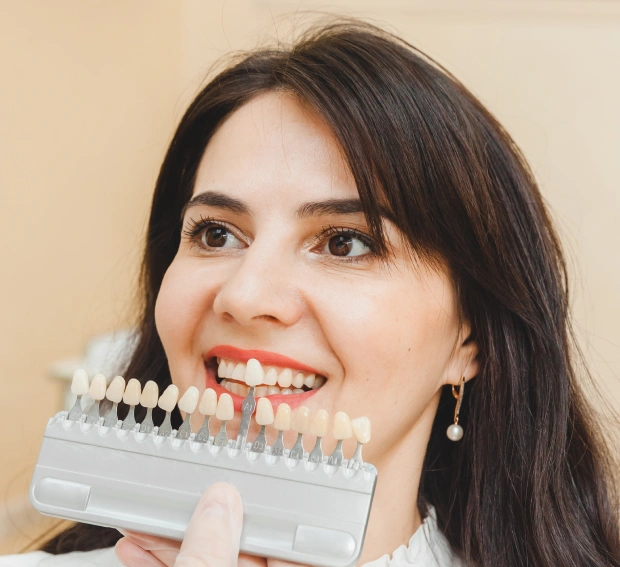
Dental veneers are wafer-thin shells crafted from high-quality materials designed to cover the front surface of your teeth. These cosmetic enhancements bond permanently to your natural teeth, transforming their appearance while preserving most of your tooth structure. Modern veneers are incredibly thin, typically measuring less than a millimeter thick, yet they’re strong enough to withstand normal biting and chewing forces.
Veneers work by masking imperfections and creating a uniform, aesthetically pleasing appearance across your smile. The porcelain material mimics the light-reflecting properties of natural tooth enamel, ensuring your new smile looks authentic rather than artificial. This makes veneers an ideal solution for anyone seeking significant cosmetic improvements without extensive dental work.
Types of Veneers Available
Understanding your options helps you make informed decisions about your veneer treatment. Each type offers distinct advantages depending on your needs and goals.
Porcelain Veneers
Porcelain veneers represent the gold standard in cosmetic dentistry for smile transformations. The porcelain material closely resembles natural tooth enamel in both appearance and strength. These permanent veneers are stain-resistant, maintaining their bright appearance for many years even with regular coffee or tea consumption.
The translucent quality of porcelain allows light to pass through similarly to natural teeth, creating an authentic look that’s virtually indistinguishable from your original smile. Porcelain veneers typically last 10-15 years or longer with proper care, making them a durable investment in your oral health and confidence.
Composite Veneers
Composite resin veneers provide an alternative option for certain situations. Made from tooth-colored composite material, these veneers can be applied in a single visit and typically cost less than porcelain versions. The composite resin is sculpted directly onto your teeth and hardened with a special light.
While composite veneers offer immediate results and require minimal tooth preparation, they don’t match the longevity or stain resistance of porcelain. Composite material may need replacement or refinishing more frequently, typically every 5-7 years. However, they serve well for patients seeking affordable cosmetic improvements or temporary solutions.
The Porcelain Veneer Process
Initial Consultation and Smile Design
Your transformation begins with a comprehensive consultation where we discuss your aesthetic goals and examine your teeth and gums. Good oral health is essential before placing veneers, so we’ll check for issues like gum disease or tooth decay that need addressing first.
Using Digital Smile Design technology, we’ll show you a preview of your potential results. This advanced tool creates three-dimensional simulations of your new smile, allowing you to visualize the outcome before we begin. You’ll have input on factors like tooth shape, size, and color, ensuring the final result matches your vision.
Tooth Preparation
Preparing your teeth for veneers requires removing a thin layer of enamel from the front surface, typically less than a millimeter. This creates space for the veneers while ensuring they sit flush with your natural teeth rather than appearing bulky. We’ll use local anesthesia to keep you comfortable during this process.
After preparation, we’ll take precise impressions of your teeth using digital scanning technology. These detailed images go to our dental laboratory, where skilled technicians craft your custom veneers. The entire fabrication process typically takes 1-2 weeks. Meanwhile, you may receive temporary veneers to protect your prepared teeth and maintain your appearance.
Veneer Placement
When your permanent veneers arrive, we’ll check their fit, shape, and color before final bonding. Minor adjustments ensure each veneer matches your specifications perfectly. Once you’re satisfied, we’ll clean and prepare your teeth for bonding.
The bonding process uses a special cement activated by light to create a strong, permanent connection between the veneer and your tooth. After placement, we’ll remove any excess cement, check your bite, and make final adjustments. You’ll leave our Pittsburgh dental office with your new smile ready to show the world.
Your Step-by-Step Guide to the Veneer Procedure
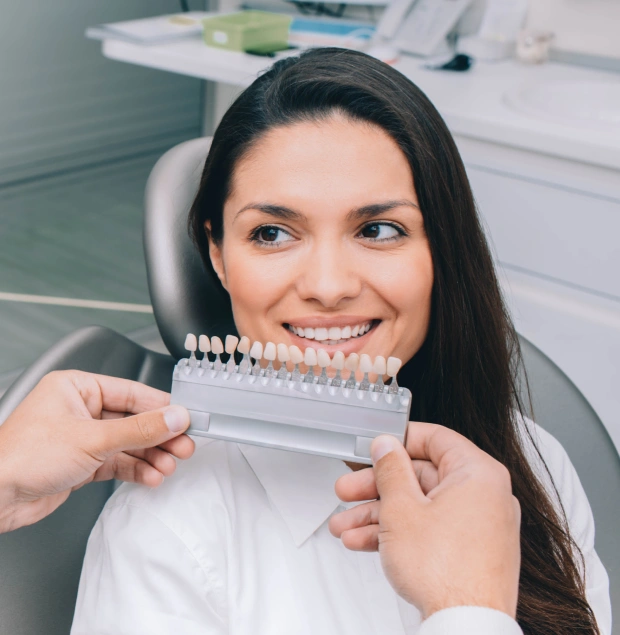
Your veneer journey begins with a thorough consultation with Dr. Curtis Crandall. During this initial visit, you will discuss your aesthetic goals and the dentist will examine your teeth to ensure veneers are an appropriate solution. Impressions of your teeth might be taken as part of the planning process for designing your perfect smile.
Conditions Porcelain Veneers Can Address
Veneers in Pittsburgh correct numerous aesthetic concerns, helping you achieve the natural smile you deserve. These versatile cosmetic treatments can address:
- Discolored Teeth: Severe staining from medications, excessive fluoride, or root canal treatment often resists teeth whitening procedures. Porcelain veneers cover these discolorations completely, providing a bright, uniform appearance.
- Chipped or Worn Teeth: Years of grinding, acidic foods, or accidents can damage tooth enamel. Custom veneers restore the original shape and size of affected teeth, protecting them from further wear.
- Misshapen Teeth: Naturally irregular tooth shapes, whether pointed, bulging, or otherwise abnormal, can be corrected with veneers that create harmonious proportions throughout your smile.
- Gaps Between Teeth: Small to moderate spaces between teeth close beautifully with veneers, eliminating the need for orthodontic treatment in many cases.
- Slightly Misaligned Teeth: Minor alignment issues may not require braces. Veneers can create the appearance of straight teeth by adjusting the visible portion of each tooth.
During your consultation, we’ll evaluate your specific concerns and determine whether veneers provide the best solution for your smile goals.
Benefits of Choosing Porcelain Veneers
Modern veneers deliver advantages that extend beyond aesthetics, contributing to your overall dental health and quality of life.
- Natural Appearance: The translucent quality and light-reflecting properties of porcelain material create remarkably natural-looking results. Your veneers will blend seamlessly with any remaining natural teeth, and the color won’t change over time. Friends and family may notice your improved smile without realizing you’ve had dental work done.
- Stain Resistance: Unlike natural tooth enamel, porcelain resists staining from coffee, tea, red wine, and other common culprits. This means your bright smile stays beautiful for years without the need for frequent teeth whitening treatments. The non-porous surface of porcelain prevents pigments from penetrating, maintaining your investment.
- Minimal Tooth Alteration: Compared to dental crowns, which require significant tooth reduction, veneers preserve most of your natural tooth structure. Only the front surface receives modification, leaving the majority of your tooth intact. This conservative approach maintains tooth strength while delivering dramatic cosmetic improvements.
- Durability and Longevity: With proper care, porcelain veneers typically last 10-15 years or longer. The strong bond between the veneer and your tooth, combined with porcelain’s inherent strength, creates a restoration capable of withstanding normal chewing forces. Many patients enjoy their veneers for decades with appropriate maintenance.
Caring for Your Veneers
Maintaining your veneers requires good oral hygiene practices similar to caring for natural teeth. Here’s how to protect your investment:
Brush twice daily with a soft-bristled toothbrush and non-abrasive toothpaste. Aggressive brushing or harsh abrasives can damage the polish on your veneers over time. Floss daily to remove plaque and food particles from between your teeth, preventing gum disease and protecting the teeth beneath your veneers.
Regular dental checkups every six months allow us to monitor your veneers and overall oral health. Professional cleanings remove buildup that regular brushing misses, helping prevent tooth decay around veneer margins. We’ll also check for any signs of wear or damage that might require attention.
Avoid using your teeth as tools to open packages or bite hard objects like ice or hard candy. While porcelain veneers are strong, excessive force can cause chips or fractures. If you grind your teeth at night, we may recommend a custom nightguard to protect both your veneers and natural teeth from damage.
Discover The Difference
Changing Smiles, Changing Lives
Before
After
Veneers
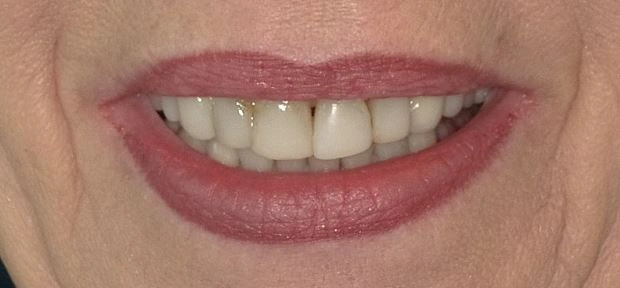
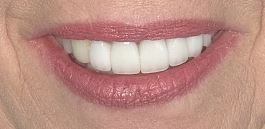
Dr. Yousef started with bite therapy and then went into study models, provisional staging, and then finals. The results? A beautiful new smile with veneers for this awesome patient!
Veneers vs. Other Cosmetic Treatments
Understanding how veneers compare to alternative cosmetic techniques helps you choose the right solution for your needs.
Teeth whitening effectively removes surface stains and lightens tooth color, but it can’t address chips, gaps, or misshapen teeth. If your concerns extend beyond discoloration, veneers provide comprehensive correction in a single treatment. However, for patients whose only issue is tooth color, professional whitening offers a less invasive first option.
Dental crowns cover the entire tooth rather than just the front surface, requiring more extensive tooth preparation. Crowns serve best for teeth with significant structural damage or large fillings. Veneers work better for primarily cosmetic concerns affecting otherwise healthy teeth, preserving more natural tooth structure.
Orthodontic treatment moves teeth into proper alignment through gradual force application. This process typically takes 6-24 months, depending on the severity of misalignment. Veneers can create the appearance of straight teeth in just a few weeks, making them attractive for patients seeking faster results for minor alignment issues. You can learn more about the differences between veneers and crowns to determine which option suits your situation.