Black Friday special for Zoom whitening

Dental implants provide a long-lasting way to replace missing teeth. The fact is that tooth loss affects your life regardless of the reason for being missing. Whether due to decay, injury, or old age, missing teeth affect your confidence and your ability to enjoy your food. Tooth implants are meant to look and function like your natural teeth.
The procedure requires inserting a titanium rod into the jawbone and then connecting it to a crown or bridge designed specifically for that purpose. Unlike dentures, implants are firmly fixed in place, providing a long-lasting, natural solution for a smile makeover. Through this guide, you will learn about the advantages of dental implants, how they are placed, and how to care for them.
What are Dental Implants?
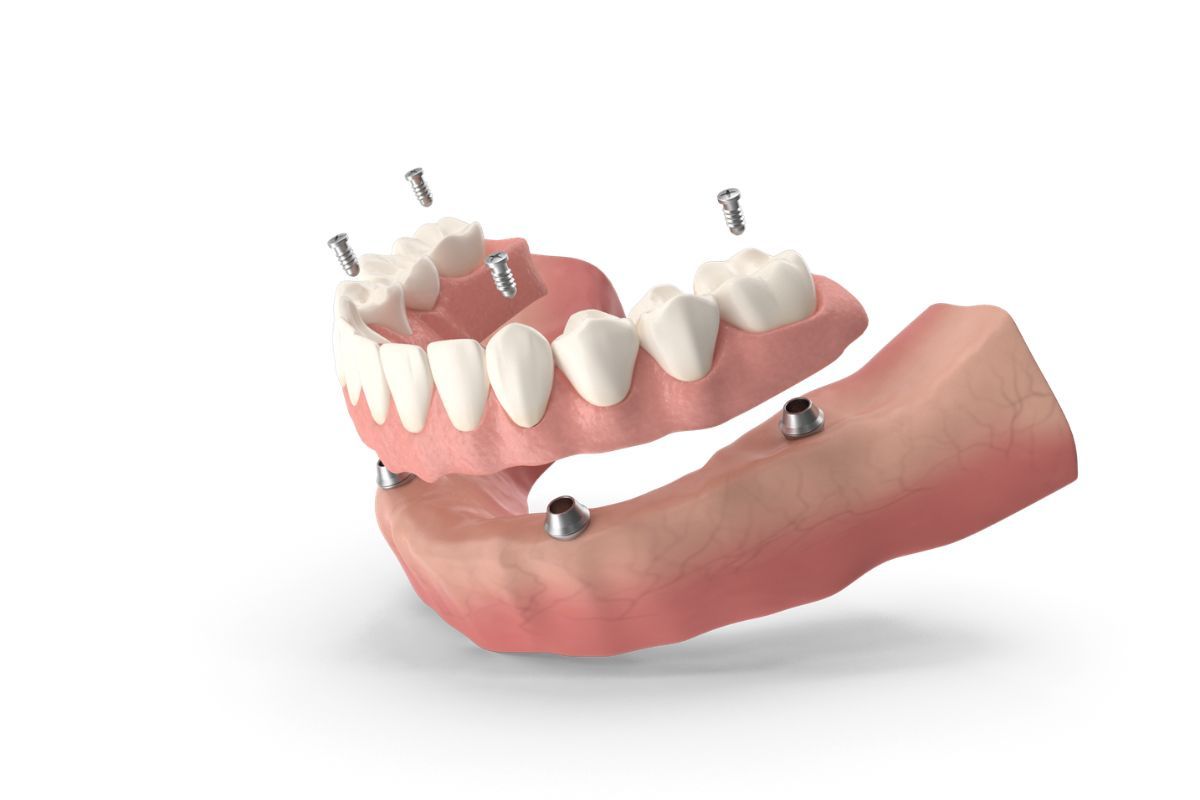
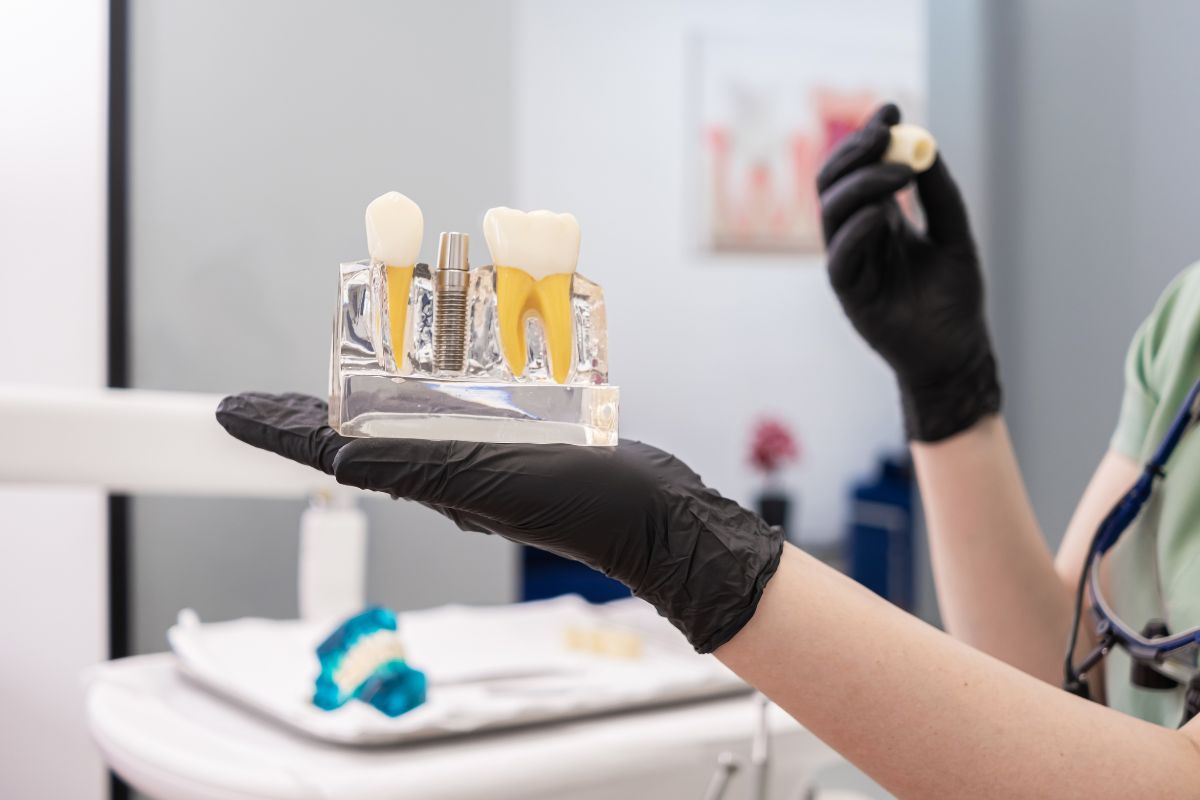
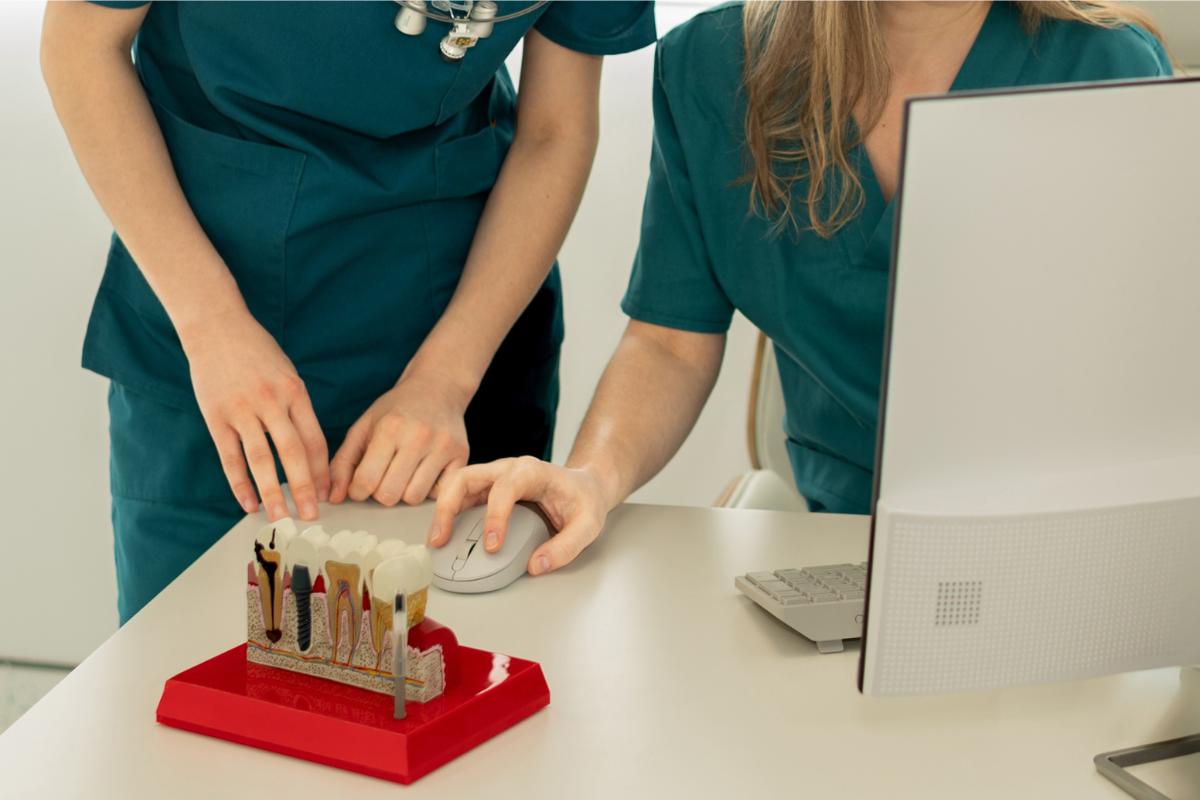
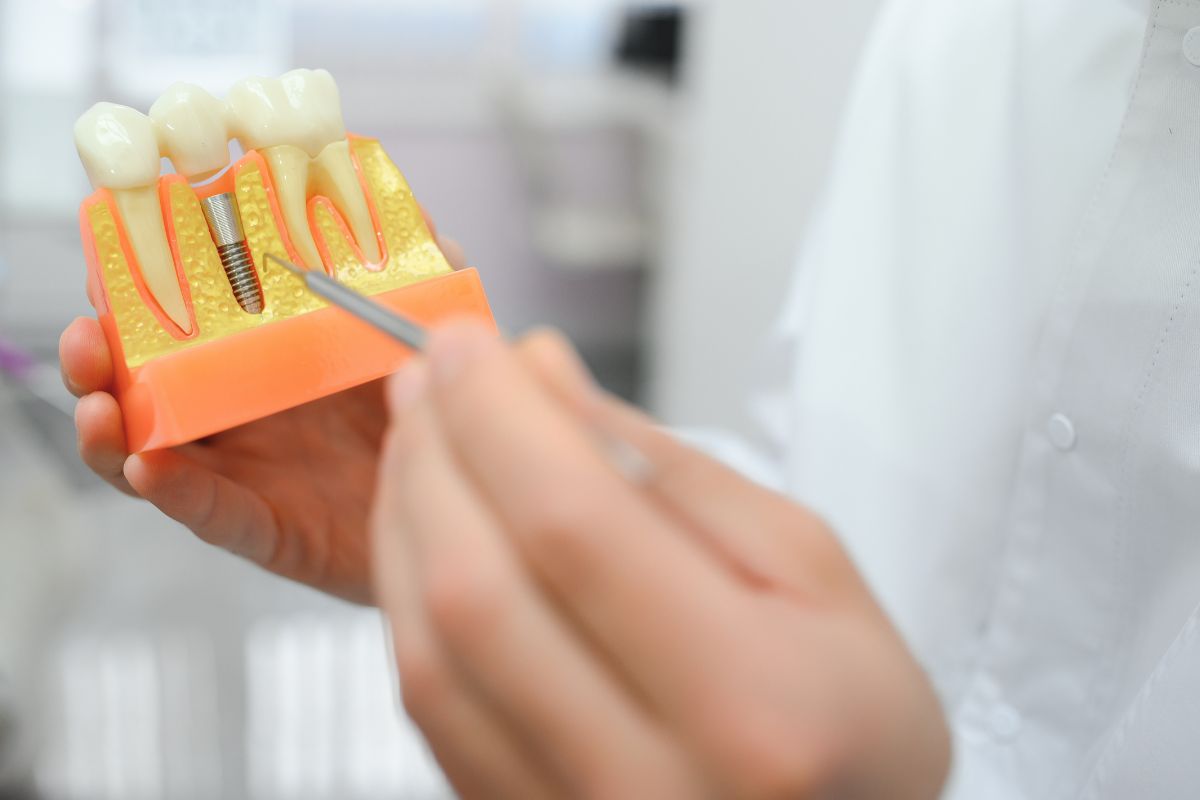
Dental implants or fixtures are titanium rods surgically placed in the jawbone to serve as artificial tooth roots. The rods osseointegrate with the jawbone to form a firm platform to hold a crown, bridge, or denture. Unlike bridges or dentures, implants are permanent and function like normal teeth. That is because implants are made of titanium.
These implants are made of biocompatible materials, such as titanium, that promote bone-implant osseointegration over time. This further ensures the dental implant stays firmly in place and maintains dental stability.
The Benefits of Dental Implants
Some of the advantages that tooth implants have over other methods used to replace teeth include:
- Natural Look and Feel: After implantation, implants easily blend in with natural teeth in terms of look and feel. The dental crown placed on an implant is always customized to match the implant in shape and color.
- Enhanced Comfort and Functionality: Unlike removable dentures that tend to shift in position or even cause discomfort, endosseous implants are fixed in place, allowing you to eat, talk, or smile without hesitation.
- Long-Term Durability: Your implants can last a lifetime if proper care and attention are provided. They can withstand the typical wear and tear of daily activities and are more durable than bridges and dentures.
- Bone Preservation: When teeth are missing, bone loss can occur. Your fixtures promote bone growth by stimulating bone tissue.
- Improved Self-Esteem: The fixtures not only fill your smile but also enhance your confidence. You can feel comfortable around other people without the fear of smiling or eating the foods you enjoy.
The Dental Implant Process
The procedure for getting endosseous implants involves a series of steps that take a few months. Here’s a brief overview of what you may go through:
- Initial Consultation: On your initial visit to South Hills Dental Arts, your implant dentist will examine your oral condition and request x-rays to identify if you are a good candidate for implants.
- Implant Placement: If you are a suitable candidate for fixtures, the next step is surgically implanting a titanium screw into the jawbone. This is performed while you remain locally anesthetized, so you feel no discomfort throughout the process. This screw must then be allowed time to bond with the jawbone, usually taking a number of months.
- Healing and Osseointegration: In this stage, the bone and the implant post undergo osseointegration, in which the bone integrates with and joins the implant post. It is vital to follow all aftercare requirements and avoid excessive stress on the implant.
- Attaching the Abutment: After osseointegration has been achieved, the abutment (or connector) is attached to the dental implant. Once attached, it acts as a base for supporting the crown/bridge.
- Placement of the Crown: Lastly, a crown, bridge, or denture is positioned on top of the abutment teeth. At this stage, you will get a fully functional tooth replica to replace your missing teeth.
Dental Implants Aftercare
Taking good care of your implants is vital for their continued success. Here are a few guidelines to ensure your new smile lasts for many years to come:
- Practice Good Oral Hygiene: Regular brushing and flossing around your implant site helps remove plaque buildup. Make it a practice to treat your implant as you would natural teeth.
- Regular Check-Ups: Follow-up visits are necessary to monitor the health of the implant. This is done by your implant dentist to ensure that your implant is in place and that your gums are healthy.
- Do Not Eat Hard Food: Hard or sticky foods should be avoided after this procedure. However, soft foods should be eaten until the implant has fully integrated with the bone.
- Protect Your Implants: If you have a tendency to grind your teeth at night, a night guard can be very beneficial at protecting your implants.
- Stop Smoking: It has been found that smoking can obstruct the healing process, along with raising the chances of implant failure. People who smoke should consider stopping for a positive outcome.
Take Your First Step Towards a Sweet Smile
Dental implants can significantly change your life for the better, giving you a natural and functional smile if you have missing teeth. When well-maintained, your implants will last for many years, giving you back your smile and your confidence, too.
If you are interested in implants, let our team at South Hills Dental Arts guide you through the entire process from start to finish. Call us today and schedule your visit as soon as possible. Now that you know how the fixtures can change your smile, it is a good time to take the next step towards a permanent fix for lost teeth.
Questions People Ask About Dental Implants
1. What are dental implants made of?
Dental implants are primarily made of titanium, a material known for its strength and biocompatibility, which allows it to bond with bone for a secure, stable foundation.
2. Are dental implants painful?
Most patients report minimal discomfort during the implant process, as it is performed under local anesthesia. Any post-surgery discomfort can usually be managed with over-the-counter pain relievers.
3. How long do dental implants last?
With proper care, dental implants can last a lifetime. They are designed to be durable and wear-resistant, making them a long-term solution for missing teeth.
4. Can anyone get dental implants?
While dental implants are suitable for most people, candidates must have healthy gums and sufficient bone density to support the implant. An evaluation by your implant dentist will determine your suitability.
5. How do I care for my dental implants?
Care for your dental implants as you would natural teeth: brush regularly, floss, and visit your dentist for routine check-ups to ensure they are functioning properly.
6. What should I avoid after getting dental implants?
After the procedure, avoid hard or sticky foods that could damage the implant, and refrain from smoking, which can slow down the healing process.