Black Friday special for Zoom whitening

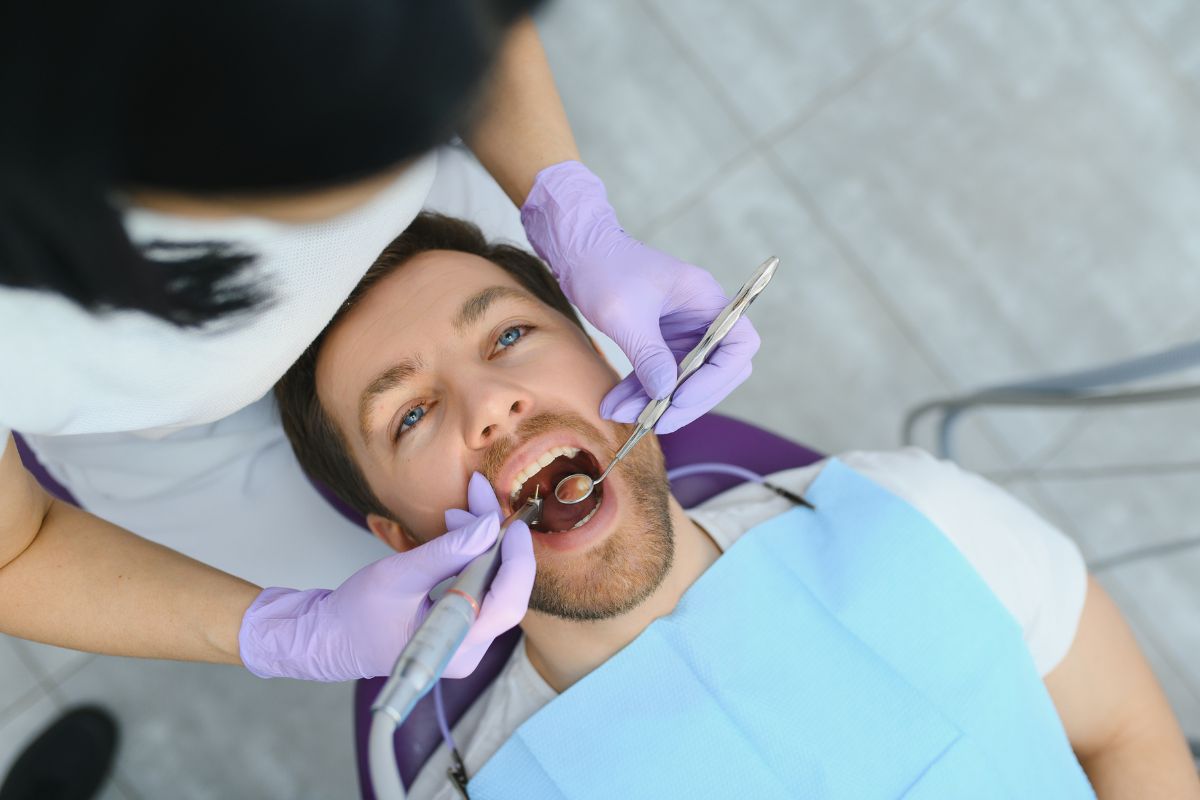
Oral surgery involves major procedures, but most surgeries today are routine, safe, and thoroughly planned. However, patients naturally want simple, direct answers first before deciding to go ahead with the treatment. If you are a resident of Pittsburgh or its surrounding areas, understanding how these treatments work, the reasons behind them, and what postoperative recovery entails can be very helpful in mentally preparing you. This blog walks you through the advantages, risks, and safety measures dentists take so that you are fully informed.
Why Oral Surgery May Be Recommended
Oral surgery is necessary when a dental or jaw condition cannot be corrected with standard methods. A dentist in Pittsburgh, PA might recommend it to safeguard your teeth, prevent the spread of infection, or help your mouth work properly again.
The most common reasons include:
- Extraction of impacted teeth
- Treatment of severe infections
- Dental implants preparation
- Jaw alignment correction
- Removal of cysts or abnormal tissue
These procedures are typically planned only after exams, imaging, and a full review of your health history. According to the American Dental Association, careful evaluation and sterile surgical techniques greatly reduce the risk of complications.
Understanding Benefits and Safety Factors
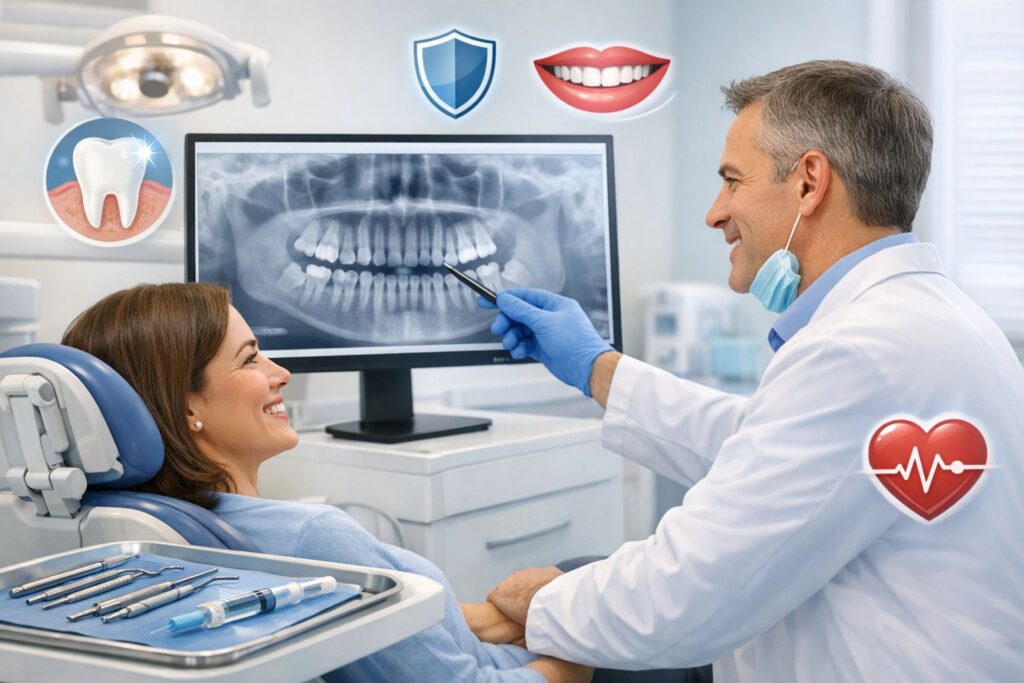
Today, many dental surgeries are safe and simple. Developments in technology, such as digital imaging, local anesthesia, and advanced surgical instruments, allow for greater precision during surgery (i.e., a better chance of success) and, therefore, a quicker recovery.
Many patients feel that these different types of dental surgery are beneficial to them because they:
- Alleviate pain associated with an infection (or caused by pressure on the tooth)
- Prevent damage to other teeth and adjacent areas of the mouth
- Enhance your ability to chew and speak
- Increase your long-term oral health
Patients often want to know what the oral surgery risks are. Since all dentists evaluate the patient’s medical history, medications, and imaging results before making recommendations, the dentist will plan the procedure to minimize complications and ensure the recommended procedure is appropriate for the patient’s medical needs.
Possible Complications Patients Should Know
As with all dental surgeries, there are oral surgery risks. Typically, the risk of having a serious complication from a properly performed dental procedure by a qualified dentist is minimal. Most dental procedures heal without complications when patients follow the dentist’s aftercare instructions.
Common issues that a patient may experience include:
- Mild swelling or mild discomfort
- Minor bleeding
- An infection that can occur if you do not follow the dentist’s aftercare directions
- A dry socket will sometimes develop following an extraction
- Some patients may experience an extended healing period if they smoke or are diabetic
Most side effects are mild and short-term. A qualified dentist in Pittsburgh, PA, will explain warning signs and provide written recovery instructions before you leave the office.
Who May Need Extra Precautions
Some patients require additional planning before surgery. This does not mean they cannot have treatment. It simply means the dentist will adjust the approach.
Extra precautions may apply if you:
- Take blood-thinning medication
- Have uncontrolled diabetes
- Have immune system conditions
- Are pregnant
- Smoke regularly
Your provider may coordinate with your physician or request lab tests. These steps are routine safety measures, not signs of danger.
How Dentists Reduce Complications

Dental professionals follow strict clinical standards set by organizations such as the ADA and OSHA. Safety protocols include:
- Sterilized instruments and treatment rooms
- Detailed health screenings
- Digital imaging before surgery
- Precise anesthesia monitoring
- Clear post-procedure instructions
These precautions significantly lower the chance of complications. Modern dentistry focuses on prevention as much as treatment.
Recovery: What Most Patients Experience
The healing process depends on the surgery, but most patients heal easily in a few days to a week. Some patients may experience mild pain, which should resolve quickly.
Patients are usually told to:
- Rest for the first 24 hours
- Avoid smoking and alcohol
- Eat soft foods
- Clean the area
- Attend follow-up appointments
Strictly following these guidelines is one of the most crucial elements in the healing process.
When to Contact a Dentist After Surgery
It is crucial to recognize when certain symptoms need professional evaluation. Contact a dentist if you experience:
- Bleeding for long hours
- Fever or chills
- Severe swelling after day 3
- Pus or unusual drainage
- Increasing pain rather than decreasing
These symptoms do not always mean a serious problem, but should be checked immediately.
How Local Experience Matters
Selecting a dentist who treats local patients can be a good idea. A dentist in Pittsburgh, PA, who knows the local factors that may influence dental health, such as:
- Local weather changes that affect sinus pressure
- Dietary habits in the area
- Follow-up care near home
- Local care that makes follow-up appointments more convenient
Making a Confident Decision About Treatment
Dental surgery should only be considered if the benefits outweigh the oral surgery risks. A clear understanding of the reasons for the surgery, the process, and the recovery process can help patients feel more at ease about what’s to come.
If you are unsure about a particular recommendation, it is only natural to have questions. Communication with your dental professional is one of the most effective ways to alleviate concerns and ensure safe care.
Moving Forward With the Right Guidance
Oral surgery can be a protective measure for your health, a way to prevent serious complications related to dental issues, and a means to enhance your daily functionality when done for the right reasons. With the right planning, technology, and guidance, most oral surgeries are safe and predictable. Education is key to approaching your treatment with confidence.
Schedule a Consultation
If you would like professional advice on your treatment options, please get in touch with South Hills Dental Arts to speak with a professional and determine the best course of action for you.
Common Questions Most People Ask
1. Is oral surgery painful?
Most procedures are done with local anesthesia or sedation, so patients feel little to no pain during treatment. Mild soreness afterward is normal and can usually be managed with recommended medications and home care.
2. How long does recovery usually take?
Recovery time depends on the procedure. Simple extractions may heal within days, while more complex treatments can take one to two weeks for full comfort and tissue healing.
3. Are dental surgeries safe for older adults?
Yes. Dentists routinely treat older patients. They review medical history, medications, and overall health before surgery to ensure the safest approach for each individual.
4. Can I eat normally after surgery?
Most dentists recommend soft foods for the first few days. Gradually returning to normal eating helps protect the surgical site and supports proper healing.