Black Friday special for Zoom whitening

Most people assume dental implants are a straightforward fix — you’re missing a tooth, you get an implant. Done. But there’s actually a detailed evaluation process that happens before any implant procedure begins, and many patients are genuinely surprised by what goes into it.
If you’ve been considering implants or your dentist mentioned them as an option, here’s what that behind-the-scenes assessment actually looks like.
It Starts With Your Jawbone — Not Your Teeth
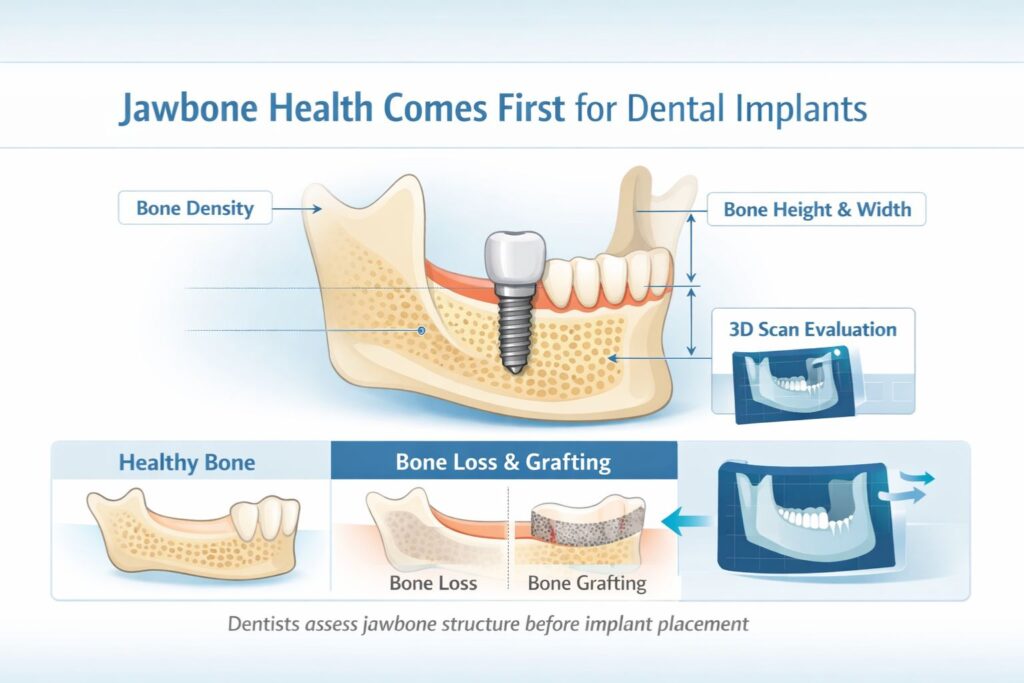
When a dentist determines whether a patient is a candidate for dental implants, they will look at the underlying jawbone structure rather than just the missing teeth.
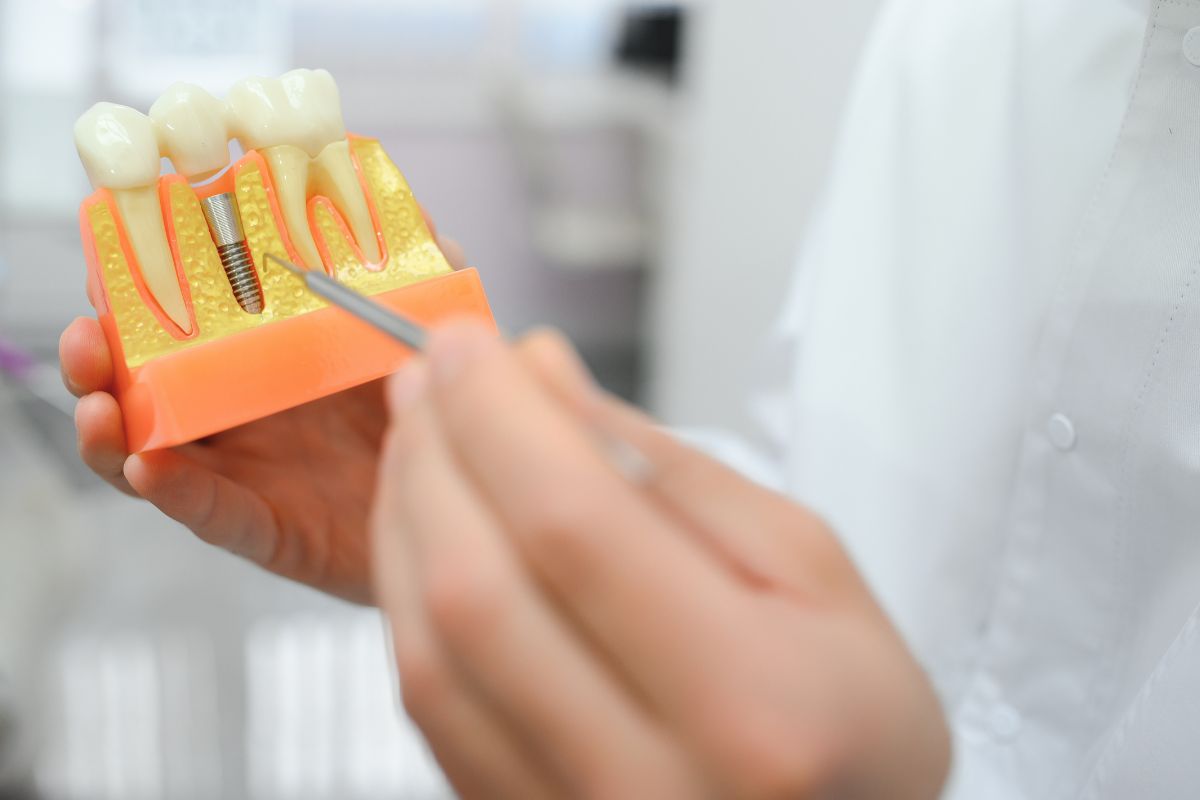
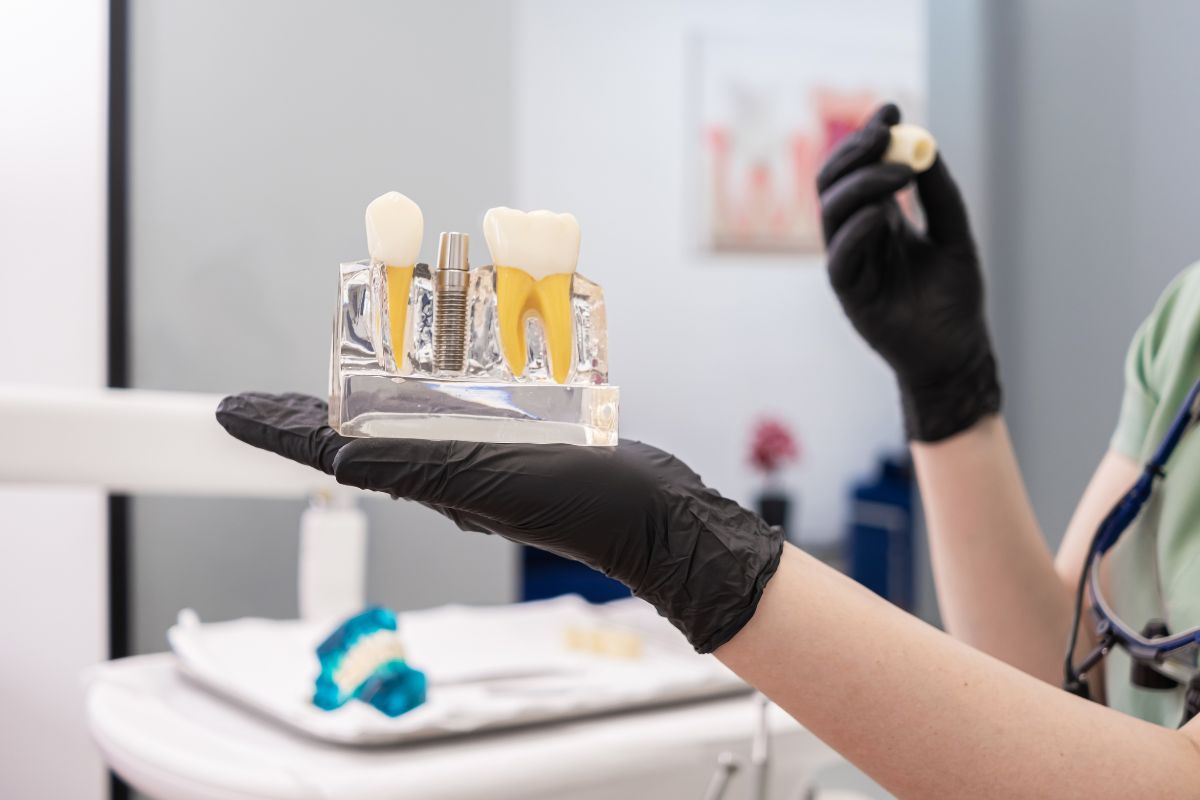
Dental implants are made of titanium and attach directly to the jawbone. If the patient has experienced bone loss, then there may not be enough bone structure to support the dental implant.
Dental professionals will use an X-ray or a 3D cone-beam CT scan to evaluate the bone height, width, and density of the jawbone (aka the mandible or maxilla). South Hills practices typically use this approach when evaluating a patient for dental implants in Pittsburgh, PA.
A bone grafting procedure may be recommended for patients with extensive bone loss. This procedure will restore volume and provide a solid foundation for the implant. Although a bone graft delays the restoration timeline, it will improve the likelihood of a successful long-term implant.
Gum Health Matters More Than Most Realize
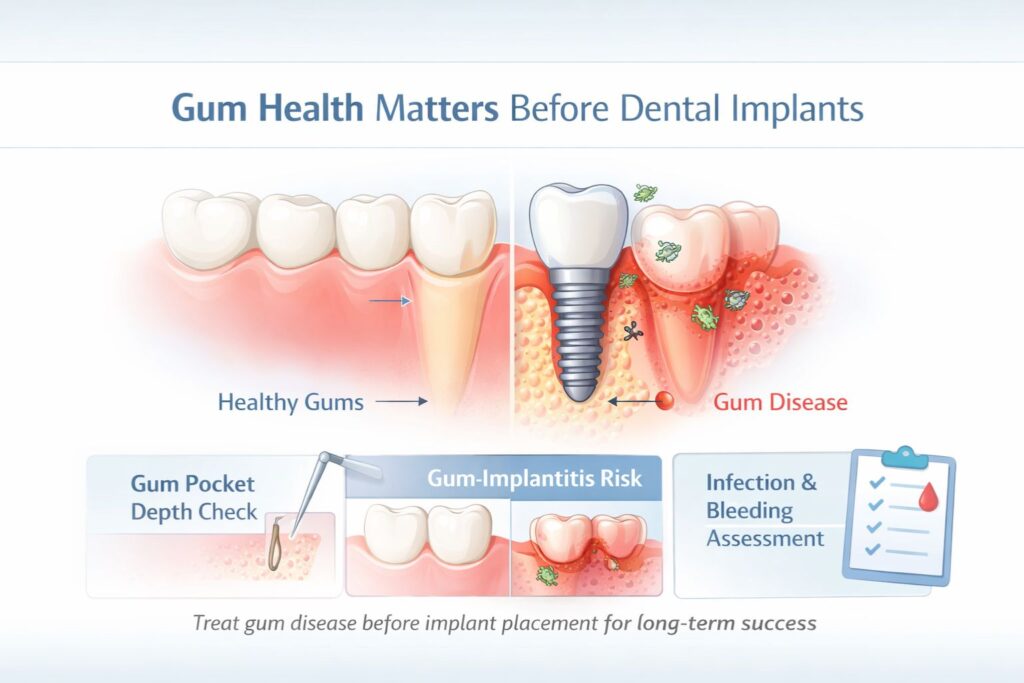
Active gum disease is one of the leading reasons for delaying implant treatment. Bacterial infection associated with periodontal disease can spread to the soft tissues surrounding the implant, leading to a condition called peri-implantitis. Peri-implantitis is basically like gum disease, but at the site of the implant, and can lead to implant failure if not treated.
Before moving forward with the implant treatment, your dentist will perform the following:
- Examine the area for signs of infection or bleeding
- Assess the depths of the gum pockets
- Review your history of gum disease or tooth loss
If you have active gum disease, treatment will be performed before the implant planning process begins. Once your gum tissue is successfully treated, implant planning may begin.
Medical History Plays a Bigger Role Than You’d Expect
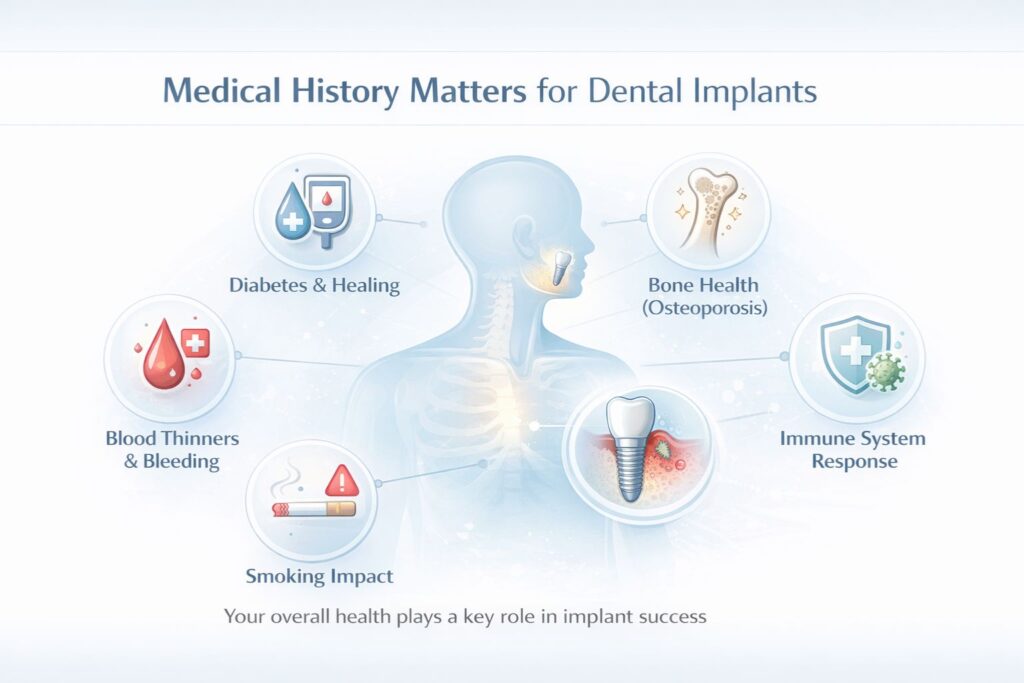
Dental implants in Pittsburgh, PA, are a surgical procedure, which means your overall health matters.
Certain conditions and medications can affect healing or increase the risk of complications. Your dentist will ask about:
- Diabetes — Uncontrolled blood sugar slows healing and raises infection risk
- Osteoporosis — Affects bone density and may interact with certain medications
- Blood thinners — Can affect bleeding during and after surgery
- Smoking — One of the strongest predictors of implant failure; nicotine restricts blood flow to healing tissue
- Autoimmune conditions — Can interfere with the body’s ability to integrate the implant
None of these are automatic disqualifiers, but they require careful planning and, in some cases, coordination with your physician.
Age and Jaw Development
In younger patients, implants are typically not placed because their jaws are still growing. Therefore, most dentists will wait until their late teens or early twenties to place implants, depending on how developed their jawbones are. For older adults, age is not a limitation for receiving implants. Many patients aged 60 or older can be excellent candidates for implants if their bone and gum health are suitable.
Why the Evaluation Process Actually Protects You
The reason for having an evaluation process before an implant is simple. There are significant risks outlined below if the proper evaluation process is not followed:
- Implants will fail if there is not adequate bone to support them.
- Gum disease can cause an infection if it goes undetected before having implants.
- Individuals with chronic health issues will take longer to heal following an implant if their chronic issues have not been managed before having the implants placed.
The benefit of conducting a thorough pre-implant workup is that it greatly improves the likelihood of successful surgery and of implants lasting for decades (which are good reasons to consider an implant).
What Happens During a Consultation
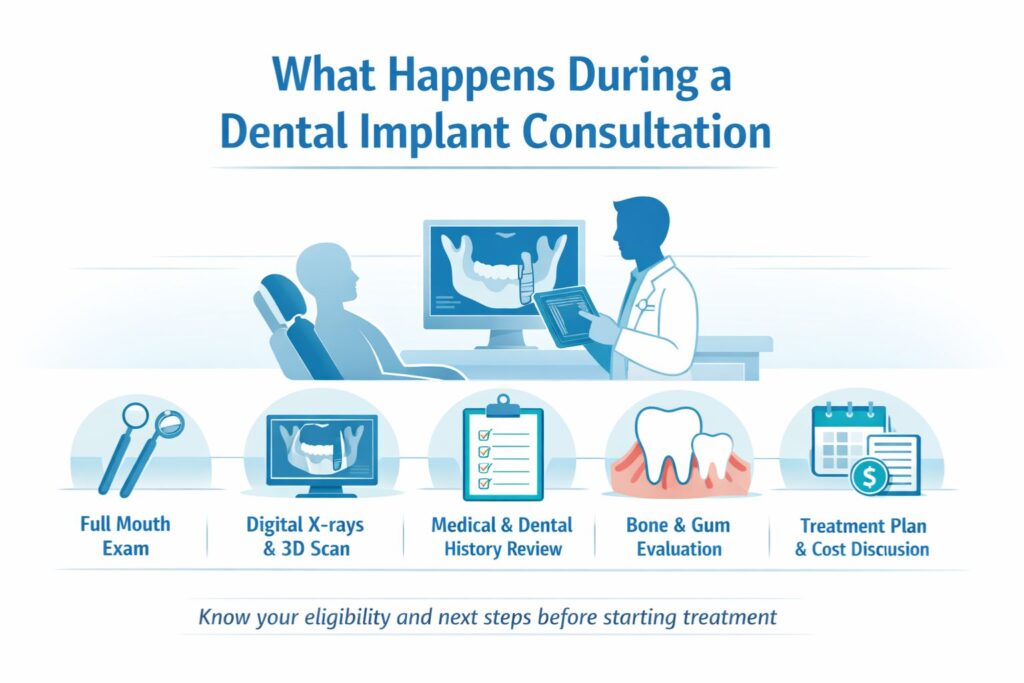
A standard implant consultation at a dental office typically includes:
- A full mouth exam
- Digital X-rays or a 3D scan
- Review of medical and dental history
- Discussion of bone and gum health
- A breakdown of the treatment plan, timeline, and costs
You’ll leave knowing whether you’re a candidate, what (if anything) needs to be addressed first, and what the overall process looks like for your specific situation.
One More Thing Worth Knowing
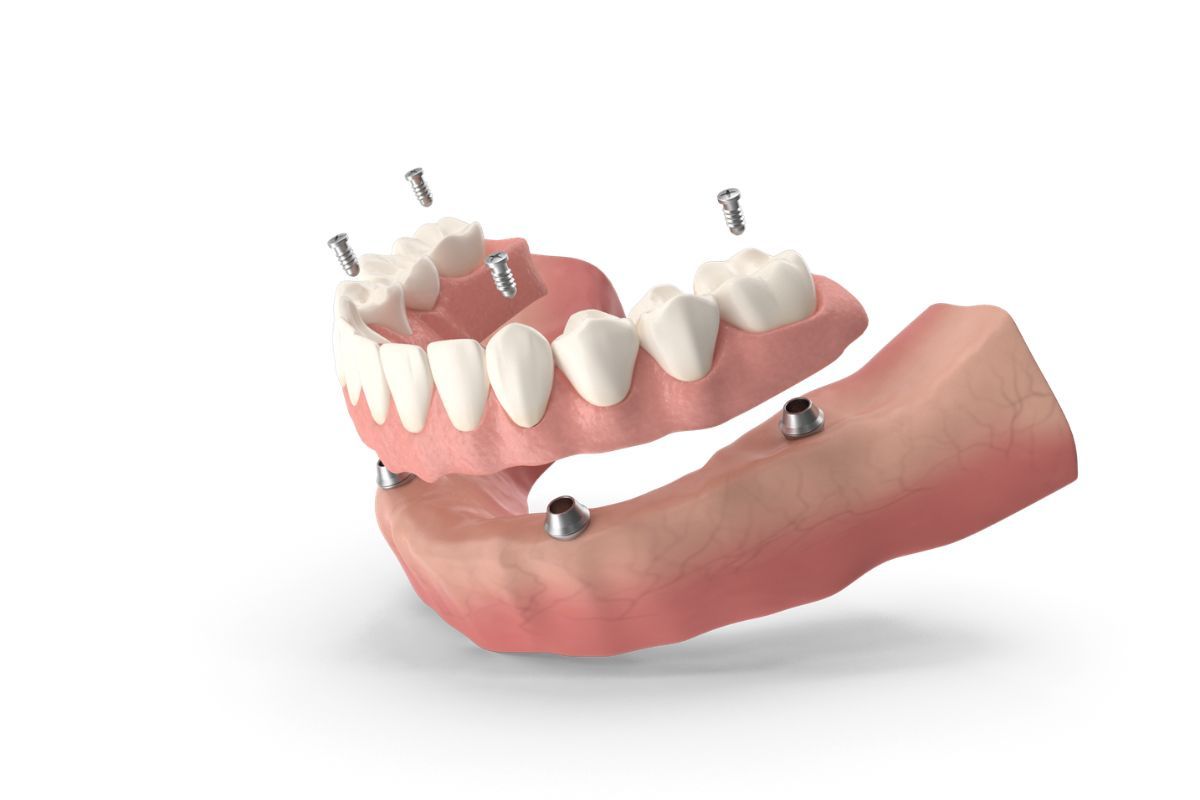
Implants aren’t just for single missing teeth. Full-arch options like All-on-4 or All-on-X use a small number of implants to support an entire set of teeth. These follow the same evaluation process but may involve additional planning, especially around bone placement and bite alignment.
If you’ve been wearing dentures for years or have multiple missing teeth, this can be a more stable, long-term alternative worth discussing.
Ready to Find Out If You’re a Candidate?
South Hills Dental Arts offers comprehensive implant consultations for patients in Pittsburgh and the surrounding South Hills communities. Our team takes time to review your full dental and medical history before recommending any treatment.
If you’re considering dental implants in Pittsburgh, PA, or want to know whether you could be a candidate, we believe the best way to determine your candidacy is through a dental implant consultation with an experienced dental provider.
Common Questions People Ask
1. Can I get dental implants if I’ve had a tooth extracted recently?
Yes, but timing matters. Most dentists recommend waiting several weeks to months after extraction to allow initial healing. In some cases, implants can be placed the same day as extraction — your dentist will determine what’s appropriate based on bone condition.
2. How long does the entire implant process take?
It varies. A single implant with no complications can take 3–6 months from placement to final crown. If bone grafting is needed, the timeline extends. Your dentist will give you a realistic estimate after the evaluation.
3. Are dental implants covered by insurance?
Coverage varies by plan. Many dental insurance plans cover portions of the process (such as the crown or consultation), while others classify implants as cosmetic. It’s worth calling your provider directly to review your benefits.
4. What’s the difference between All-on-4 and traditional implants?
Traditional implants replace individual teeth. All-on-4 uses four strategically placed implants to support a full arch of teeth — upper or lower. It’s often a more efficient option for patients with significant tooth loss.