Black Friday special for Zoom whitening

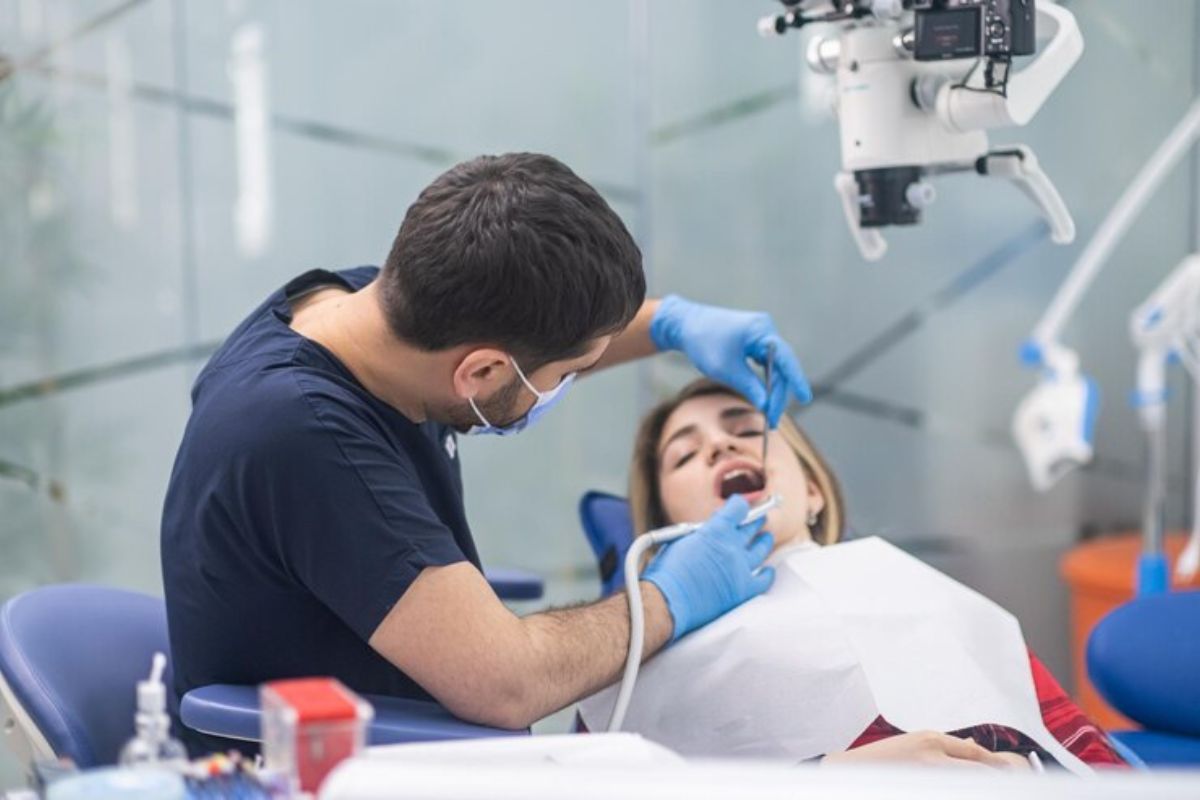
Oral Surgery is very safe and usually goes according to plan. Most of the time, oral surgery is performed quickly using modern techniques that prioritize your comfort and safety. Preparing for oral surgery is important to you and your dental provider. Your experience will be much smoother if you are familiar with each step before your scheduled appointment, and you will have a lower risk of complications during your recovery.
Most patients in Pittsburgh and nearby areas report feeling much more comfortable once they understand the surgical process in advance. This guide will detail what to expect during oral surgery so that you can walk into your appointment with confidence.
Why You Should Prepare for Oral Surgery
There is more to planning for oral surgery than filling out forms, obtaining instructions, and so on. The information provides your dental team with the necessary knowledge regarding your medical history, medications, and any existing medical conditions that may present challenges during your healing process. According to the American Dental Association, reviewing your medical history before your oral surgery will decrease your chances of experiencing complications and will improve your outcome from the procedure.
Preparing for oral surgery will also enable your provider to customize your anesthesia, develop an individualized postoperative plan, and reduce your risk of postoperative infection. In general, the more prepared you are, the smoother your entire experience will be. Everyone involved in the process will have peace of mind, which will contribute to a positive outcome.
Health Checks Your Provider May Require

Before your oral surgery, your dental provider may ask you to provide or update the following information:
- Review your medical history
- Complete a current medication list
- Provide a list of allergies
- Check your blood pressure
- Complete X-ray or CT scan if indicated
These are standard procedures that ensure your body can handle the oral surgery and heal properly afterward. Your dentist in Pittsburgh, PA, will also work with your family doctor if you have diabetes, a heart condition, or another immune issue.
Food, Medication, and Lifestyle Instructions
Your instructions will depend on the type of procedure and anesthesia used. Always follow your provider’s directions, but typical guidelines include:
Eating
- Avoid food 6–8 hours before sedation procedures
- Drink only clear liquids if allowed
Medications
- Continue essential prescriptions unless told otherwise
- Avoid blood thinners if advised by your doctor
Habits
- Stop smoking before and after surgery
- Avoid alcohol 24 hours before treatment
The CDC notes that tobacco use can slow healing and increase infection risk, which is why many providers stress stopping temporarily.
What To Arrange Before Surgery Day
Planning your logistics makes recovery easier.
Transportation
- Arrange a ride home if sedation is used
- Do not drive yourself
Home Setup
- Prepare soft foods like yogurt, soup, and mashed potatoes
- Keep ice packs ready
- Set up a comfortable rest area
Time Off
- Schedule a day or two away from work or school
- Avoid strenuous activity
Patients in busy Pittsburgh areas often schedule procedures before weekends or lighter workdays so they can rest without pressure.
What Happens the Day of the Procedure?

Most appointments have the following order of events:
- Review of consent and instructions
- Taking your vital signs
- Administering either general anesthesia or a local anesthetic (numbing)
- Performing the procedure
- Monitoring your recovery until you are ready to go home
The process is structured and routine. Modern dental surgical settings use sterilization standards recommended by the CDC and OSHA, so instruments and rooms meet strict safety protocols.
Planning for Recovery Is Also Important
Healing does not start after surgery. It starts before it.
The following are ways you can maximize the potential for a successful recovery from surgery:
- Use medications exactly as directed.
- Use ice packs to minimize pain or swelling.
- Consume soft foods only.
- Provide as clean an environment as possible for you and the areas that were surgically treated.
- Attend all of your scheduled follow-up appointments.
If you experience significant swelling, fever, or bleeding after your surgery, contact a dentist in Pittsburgh, PA immediately, as early evaluation can significantly reduce the risk of complications after an oral surgical procedure.
Safety and Risks Explained Clearly
All surgical procedures carry an inherent level of risk. Most risks associated with oral surgical procedures are considered small and will resolve over time.
Examples of mild complications include:
- Mild swelling
- Mild bleeding
- Soreness in your lower jaw
- Temporary loss of sensation in the areas where your surgery was performed
Severe complications are rare when your surgery is performed by a trained dental professional who provides aftercare instructions.
Helping Patients Eliminate Discomfort
Everyone feels anxious before an oral surgical procedure. There are several techniques available for preparing for oral surgery to diminish your anxiety:
- Ask any questions you may have about your oral surgical procedure before your appointment.
- Have all of your post-surgical instructions written down to refer back to after your appointment.
- Practice relaxation and breathing exercises before your appointment.
- Listen to or watch calming music before you arrive at the dental office.
Knowledge of the roadmap for your procedure will reduce the uncertainty one experiences when preparing for oral surgery. Uncertainty is often attributed as the “primary” source of anxiety.
A Simple Way to Feel Ready
Knowledge is power, and it changes the experience. When you know what’s going on, what to expect, and have prepared your home and schedule, oral surgery becomes a normal part of healthcare, not something to be anxious about. Proper preparation is the key to maintaining your health and making your appointment efficient.
Schedule a Consultation With Confidence
If you would like a clear understanding of what you need to do, our dental team at South Hills Dental Arts can guide you through the process.
Common Questions People Ask
1. How long should I prepare before oral surgery?
Most providers recommend starting preparations 2–3 days before your appointment. This gives you time to adjust medications, plan meals, and arrange transportation without rushing.
2. Can I brush my teeth before surgery?
Yes. Brush gently and avoid swallowing toothpaste or water if fasting instructions apply. Clean teeth reduce bacteria in the mouth.
3. Should I stop taking vitamins before treatment?
Some supplements affect bleeding. Always show your provider your supplement list so they can advise you safely.
4. What should I wear to my appointment?
Wear loose, comfortable clothing and avoid jewelry or makeup. Short sleeves make it easier for staff to check blood pressure.