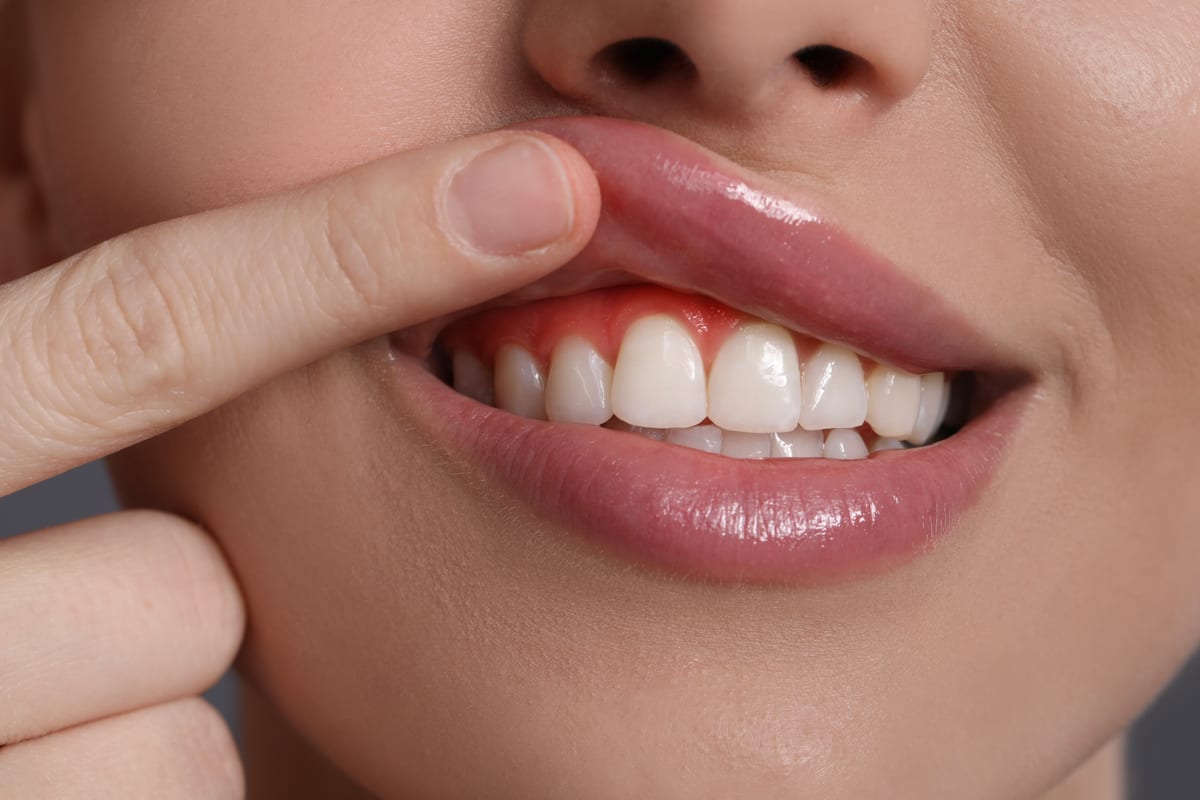
Black Friday special for Zoom whitening

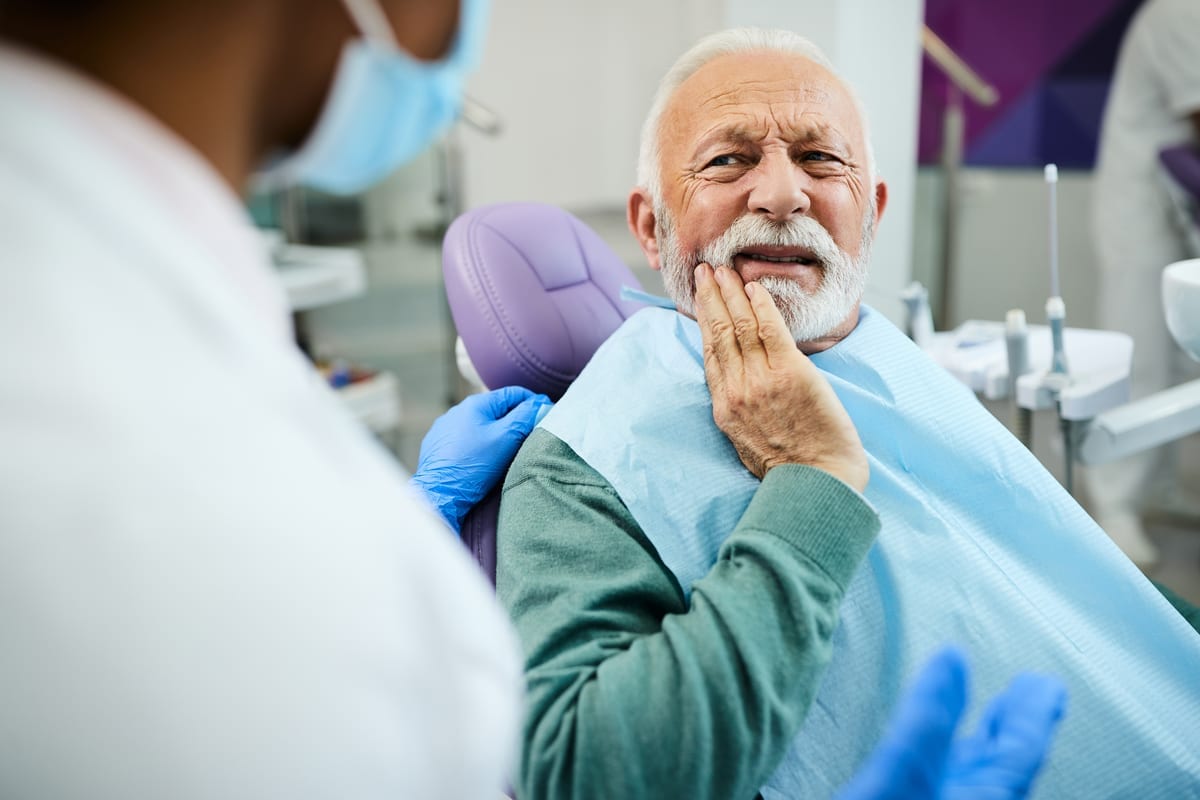
You bit into something hard, and now part of your tooth is gone. Maybe it cracked. Maybe a chunk actually broke off. Your first instinct might be panic — but here’s what most Mount Lebanon patients don’t realize: a broken tooth isn’t always an emergency. That said, your broken tooth isn’t an emergency until it is, and knowing the difference could save you from serious pain or permanent damage. Understanding what to do in those first critical hours matters more than most people think.
How Bad Is Your Broken Tooth, Really?
Not all broken teeth are created equal. A tiny chip on the edge of an incisor is very different from a tooth that has cracked below the gumline. Before you decide whether to rush to the dentist or wait until morning, assess the situation calmly.
Ask yourself a few key questions. Is there sharp, throbbing pain? Is the break exposing the inner pulp of the tooth? Are you bleeding heavily or unable to control swelling?
If you answered yes to any of those, you’re likely dealing with a true dental emergency. If the chip is small, painless, and not bleeding, you probably have some time — but you still need to see a dentist soon.
- Minor chip: Small surface break, no pain, no bleeding — schedule an appointment within a day or two
- Moderate break: Sensitivity to temperature or pressure — get seen within 24 hours
- Severe fracture: Exposed nerve, intense pain, bleeding — treat as an emergency
- Cracked below gumline: Often invisible but deeply serious — seek immediate care
What to Do in Mount Lebanon Before You See the Dentist
The time between breaking your tooth and sitting in the dental chair is critical. The right steps can reduce pain, prevent infection, and even affect your treatment options. Here’s what actually helps.
Rinse your mouth gently with warm salt water. This cleans the area and reduces bacteria around the exposed tooth. Avoid vigorous swishing — it can irritate sensitive tissue.
If you’re bleeding, apply gentle pressure with a clean gauze pad or damp tea bag. Keep your head elevated to reduce blood flow to the area. Over-the-counter pain relievers like ibuprofen can help manage inflammation and discomfort.
If a piece of the tooth came off, save it. Place it in a small container with milk or saliva — not water. Bring it to your appointment. In some cases, a dentist may be able to reattach it.
- Rinse with warm salt water — do not use hydrogen peroxide on a broken tooth
- Apply dental wax or temporary cement from a pharmacy to cover sharp edges
- Avoid chewing on the affected side entirely
- Skip extremely hot, cold, or sugary foods and drinks
- Take ibuprofen or acetaminophen as directed for pain relief
- Do NOT use aspirin directly on the gum tissue — it can cause burns
When Your Broken Tooth Becomes a True Emergency
There’s a tipping point where waiting is no longer an option. Recognizing that line could protect your overall oral health and prevent a much more complex procedure later. In Mount Lebanon, your broken tooth isn’t an emergency until it is — and these are the warning signs that tell you it’s crossed that line.
Uncontrolled bleeding, extreme sensitivity that doesn’t let up, or visible pink or red tissue inside the break are all red flags. That exposed pink area is your tooth’s pulp — where the nerves and blood vessels live. Once exposed, infection risk climbs quickly.
Swelling in the jaw, face, or neck is serious. It can signal an abscess, which is a bacterial infection that spreads fast. Left untreated, a dental abscess can become a medical emergency. Do not wait to see if it resolves on its own.
Fever, difficulty swallowing, or a foul taste in your mouth alongside tooth pain are signs you need same-day care. Call South Hills Dental Arts right away. Dr. Hadil Yousef and her team treat dental emergencies for patients throughout the Pittsburgh area.
What to Expect When You Come In for a Broken Tooth
Walking into the office with a broken tooth can feel stressful. Knowing what the appointment looks like takes some of that anxiety away. Here’s a straightforward look at the process.
First, Dr. Yousef will examine the tooth visually and take X-rays. This helps determine how deep the break goes and whether the root or nerve is affected. The treatment plan depends entirely on the severity and location of the fracture.
A small chip might only need smoothing or a tooth-colored bonding material. A moderate break may call for a dental crown to protect the remaining tooth structure. A severely cracked or broken tooth involving the nerve may require a root canal before a crown is placed.
In some cases, extraction is necessary — but that’s often the last option. After extraction, your dentist will discuss tooth replacement options to restore your smile and bite function. Many patients in this situation also explore Cosmetic Dentistry Mount Lebanon services to address both function and aesthetics together.
Protecting Your Teeth After Treatment
Once your tooth is treated, prevention becomes the priority. Teeth don’t grow back, and repeated trauma accelerates long-term damage. A few smart habits go a long way.
Wear a mouthguard if you play contact sports. If you grind your teeth at night — a condition called bruxism — ask Dr. Yousef about a custom night guard. Grinding puts enormous pressure on teeth and is a leading cause of cracks and fractures.
Avoid chewing ice, hard candies, and popcorn kernels. These are among the most common culprits behind broken teeth in otherwise healthy mouths. Stay current with your regular checkups so small cracks get caught before they become breaks.
If you’ve been told your bite is off or you experience jaw soreness, that could be a sign of a deeper issue. TMJ problems can contribute to uneven pressure on your teeth, making fractures more likely over time.
South Hills Dental Arts Is Here for Mount Lebanon Patients
Whether your break happened this morning or last night, you don’t have to navigate it alone. Dr. Hadil Yousef and the team at South Hills Dental Arts – Upper St. Clair are committed to fast, compassionate care for patients across Pittsburgh and Mount Lebanon. We take broken teeth seriously — because we know the difference between a minor inconvenience and a genuine emergency. Patients who have already made the decision to take their oral health seriously have shared positive experiences, and we’d love for you to be next — Thank You Mount Lebanon for trusting us with your smile. Book Now to schedule your appointment with our team.
Frequently Asked Questions
Is a broken tooth always a dental emergency?
Not always. A small chip with no pain or bleeding can usually wait a day or two for a scheduled appointment. However, if you’re experiencing severe pain, exposed pulp, uncontrolled bleeding, or swelling, treat it as an emergency and seek same-day care immediately.
What should I do if a piece of my tooth breaks off?
Save the piece if you can. Place it in a container with milk or your own saliva — not plain water. Bring it to your dentist appointment. In some situations, it may be possible to reattach or use the fragment during restoration.
Can a broken tooth heal on its own?
No. Unlike bone, teeth cannot regenerate or heal themselves. Even a small crack can worsen over time with normal chewing pressure. Left untreated, a minor break can become a major fracture or lead to infection. Always see a dentist, even for seemingly minor damage.
How long can I wait to see a dentist after breaking a tooth?
For minor chips with no pain, aim to be seen within 24 to 48 hours. For anything involving pain, sensitivity, visible inner tooth tissue, or bleeding, call your dentist the same day. Waiting too long risks infection and may limit your treatment options.
Will I need a crown after breaking a tooth?
It depends on the severity of the break. Small chips may only need bonding or smoothing. Moderate to severe breaks often require a dental crown to protect the remaining tooth structure. Your dentist will evaluate the damage with X-rays and recommend the most appropriate treatment for your situation.