Black Friday special for Zoom whitening

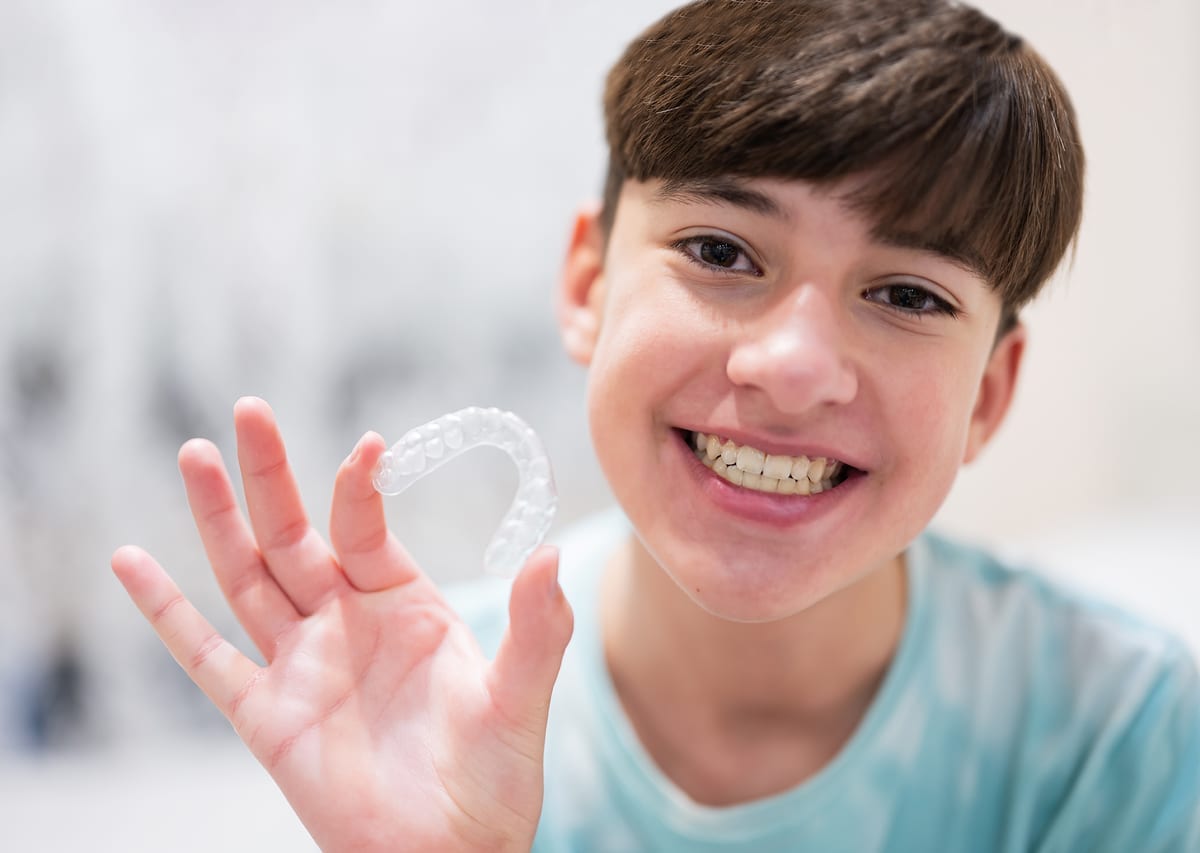
Your teeth move every two weeks — and that’s exactly the point. Understanding what happens with Invisalign in Pittsburgh helps you feel confident before you ever put in that first aligner. Many patients are curious about the science behind those clear trays. Dr. Hadil Yousef at South Hills Dental Arts – Upper St. Clair is here to break it all down.
Invisalign isn’t magic, but it is remarkably precise. Each step of the process is planned before your treatment even begins. Knowing how your teeth move makes the journey far less mysterious. Let’s walk through exactly what happens, tray by tray.
How Invisalign Actually Moves Your Teeth
Teeth move through a biological process called bone remodeling. When gentle, consistent pressure pushes against a tooth, the bone around it slowly reshapes. Old bone dissolves on one side, and new bone forms on the other. This is how braces work — and it’s also how Invisalign works.
Each aligner tray is slightly different from the one before it. That small difference creates targeted pressure on specific teeth. Your mouth responds by shifting those teeth toward the new position. After about two weeks, the tray has done its job and it’s time for the next one.
The pressure from each aligner is carefully calculated by Invisalign’s digital planning software. Dr. Yousef reviews that plan and customizes it for your unique bite. Nothing in your treatment happens by accident. Every shift is intentional and mapped out in advance.
The Two-Week Aligner Change Schedule Explained
The two-week schedule exists for a reason rooted in biology. Bone remodeling takes time — your body needs roughly 14 days to respond to each new tray. Switching too fast doesn’t give the bone enough time to stabilize. Switching too slow wastes time and slows your overall progress.
Some patients move to a new aligner every seven to ten days. This depends on your specific treatment plan and how quickly your teeth respond. Dr. Yousef will give you a personalized schedule during your consultation. Always follow that schedule — not a general timeline you read online.
Here’s what a typical aligner cycle looks like:
- Days 1–3: Mild pressure or soreness as teeth begin to shift
- Days 4–7: Pressure eases as teeth settle into position
- Days 8–14: Aligner fits comfortably — teeth are nearly where they need to be
- Day 14 (or per your schedule): Switch to the next aligner
Wearing your aligners for 20 to 22 hours per day is essential. Falling short of that time slows your teeth movement significantly. Think of it this way — every hour you skip is borrowed time your teeth needed to move.
What Are Invisalign Attachments and Why Do You Need Them?
Not every tooth responds to aligner pressure the same way. Some movements — like rotating a stubborn canine or tipping a molar — need extra help. That’s where attachments come in. Attachments are small tooth-colored bumps bonded directly to your teeth.
These tiny anchors give the aligner something to grip. They allow the tray to push, rotate, or tilt a tooth in a very specific direction. Without attachments, certain movements simply wouldn’t be possible with clear aligners alone. They’re a key reason Invisalign can now treat cases that once required braces.
Attachments are placed painlessly in the dental chair. They blend in well because they match your tooth color. Most people won’t even notice them unless they look closely. They’re removed at the end of treatment and leave no lasting mark on your enamel.
Not every patient needs attachments. Your treatment plan will show whether they’re part of your process. Dr. Yousef will explain exactly which teeth need them and why before you begin.
Refinements: What Happens If Your Teeth Need Fine-Tuning
Refinements are a normal part of many Invisalign treatments. They happen when your teeth have moved well but need a bit more precision at the end. Think of them as a second round of custom trays designed to finish the job. They’re not a sign that something went wrong.
During a refinement, new digital scans are taken of your current tooth position. Invisalign uses those scans to design additional aligners. These new trays address any remaining gaps between your planned outcome and your actual result. The process is seamless and simply continues your treatment forward.
Refinements are especially common with complex cases or teeth that moved slightly unpredictably. Your compliance with wear time plays a big role here. Patients who wear aligners consistently often need fewer refinements. Skipping hours or days regularly increases the chance your teeth will fall behind the plan.
Benefits of the refinement process include:
- Greater precision for your final smile result
- Ability to adjust for natural biological variation in tooth movement
- No need to restart your entire treatment plan
- Continued use of the same comfortable clear aligner format
Invisalign in Pittsburgh: What to Expect at South Hills Dental Arts
Starting Invisalign at South Hills Dental Arts begins with a thorough consultation. Dr. Hadil Yousef will examine your teeth, discuss your goals, and take digital scans. Those scans feed into a 3D simulation that shows your projected tooth movement from start to finish. You’ll see your expected result before treatment even begins.
Once your custom trays arrive, you’ll come in for a fitting appointment. Dr. Yousef will place any necessary attachments and review your wear schedule. You’ll leave with your first few sets of aligners and clear instructions. Check-in appointments happen every six to eight weeks to monitor progress.
Invisalign pairs beautifully with other smile goals. Many Pittsburgh patients combine treatment with Cosmetic Dentistry Pittsburgh services like teeth whitening or veneers after their alignment is complete. A straighter foundation makes every cosmetic result look better and last longer. It’s a smart approach to total smile transformation.
Curious about what your smile could look like? Many patients visit us after seeing a Thank You Pittsburgh smile story from someone just like them. Real results from real patients in our community speak louder than any description could.
Conclusion: Your Smile Moves Forward Two Weeks at a Time
Invisalign works because it uses your body’s natural ability to reshape bone — slowly, precisely, and consistently. Every two weeks marks a small but real step toward your final smile. Understanding this process helps you stay motivated and compliant throughout your treatment. The more you know, the better your results tend to be.
Dr. Hadil Yousef and the team at South Hills Dental Arts – Upper St. Clair are proud to guide Pittsburgh patients through every step of their Invisalign journey. From your first scan to your final refinement, you’re never left guessing. We believe an informed patient is a confident patient — and a confident patient gets great results. Book Now to schedule your appointment with our team.
Frequently Asked Questions
How often do I switch my Invisalign aligners?
Most patients switch to a new aligner every one to two weeks. Dr. Yousef will give you a personalized schedule based on your specific treatment plan and how your teeth respond to movement. Always follow your prescribed schedule rather than a general guideline.
Does changing aligners hurt?
Most patients feel mild pressure or slight soreness for the first day or two after switching to a new tray. This is completely normal and means the aligner is doing its job. The discomfort typically fades within 48 to 72 hours as your teeth adjust to the new position.
What happens if I don’t wear my aligners enough?
Wearing your aligners fewer than 20 to 22 hours per day slows your tooth movement significantly. Your teeth may fall behind your treatment plan, which can lead to needing more refinements or extending your overall treatment time. Consistency is the single biggest factor in getting good Invisalign results.
Are Invisalign attachments noticeable?
Attachments are tooth-colored and bonded directly to your enamel, so they blend in naturally. Most people won’t notice them in everyday conversation. They are removed at the end of your treatment and leave no permanent marks on your teeth.
How long does Invisalign treatment take in Pittsburgh?
Treatment length varies based on the complexity of your case and how consistently you wear your aligners. Mild cases may take as few as six months, while more complex cases can take 18 months or longer. Dr. Yousef will give you a realistic timeline estimate during your initial consultation at South Hills Dental Arts.