Black Friday special for Zoom whitening

Many patients want to know exactly what happens to your natural teeth during the veneer process in Pittsburgh before committing to treatment. It is a smart question. Veneers permanently change your teeth, so understanding each step helps you make a confident, informed decision. At South Hills Dental Arts – Upper St. Clair, Dr. Hadil Yousef walks every patient through the process clearly and thoroughly.
What Are Veneers and Who Is a Good Candidate in Pittsburgh?
Veneers are thin porcelain or composite shells bonded to the front surface of your teeth. They correct chips, stains, gaps, and uneven shapes. They are part of a broader range of Cosmetic Dentistry Pittsburgh options available at our practice. Not every patient qualifies — your teeth and gums must be healthy before treatment begins.
During your consultation, Dr. Yousef evaluates your bite, enamel thickness, and overall oral health. She also discusses your smile goals and reviews shade options. Patients with active gum disease or significant decay must address those issues first. This protects your long-term results and your natural teeth.
Good candidates typically have:
- Healthy gums and no untreated cavities
- Sufficient enamel to support bonding
- Realistic expectations about the outcome
- A stable bite with no severe grinding habits
The Enamel Preparation Step: What Actually Happens to Your Teeth
This is the step most patients ask about first. To place a veneer, your dentist must remove a small amount of enamel from the tooth surface. This creates space so the veneer sits flush with surrounding teeth. The amount removed is typically between 0.3 and 0.5 millimeters — roughly the thickness of a contact lens.
This step is permanent. Once enamel is removed, it does not grow back. That is why choosing an experienced provider matters so much. Dr. Yousef removes only what is necessary to achieve a natural, comfortable fit. Modern techniques allow for minimal enamel reduction while still creating beautiful results.
Local anesthetic is available during this step. Most patients experience little to no discomfort. After preparation, your teeth may feel slightly sensitive — this is completely normal and temporary.
Temporaries, Impressions, and the Waiting Period
After enamel preparation, your dentist takes detailed impressions or digital scans of your teeth. These go to a dental laboratory where skilled technicians craft your custom veneers. This process typically takes one to two weeks. In the meantime, you wear temporary veneers to protect your prepared teeth.
Temporaries serve an important purpose. They shield your exposed enamel from sensitivity and show you a preview of your new smile. They are not as durable as your final veneers, so some care is required. Avoid very hard or sticky foods during this phase.
This waiting period is also a chance to provide feedback. If you want slight changes to the shape or size, now is the time to speak up. Dr. Yousef encourages open communication so your final result truly matches your expectations. Patients who have visited our Thank You Pittsburgh confirmation page know we are committed to a thorough, patient-first process from start to finish.
Shade Selection: Choosing the Right Color for Your Smile
Shade selection is one of the most exciting parts of the veneer process. You and Dr. Yousef work together to choose a color that looks natural and flattering. Veneers do not need to be blindingly white to look beautiful. The goal is a shade that complements your skin tone and blends with adjacent teeth.
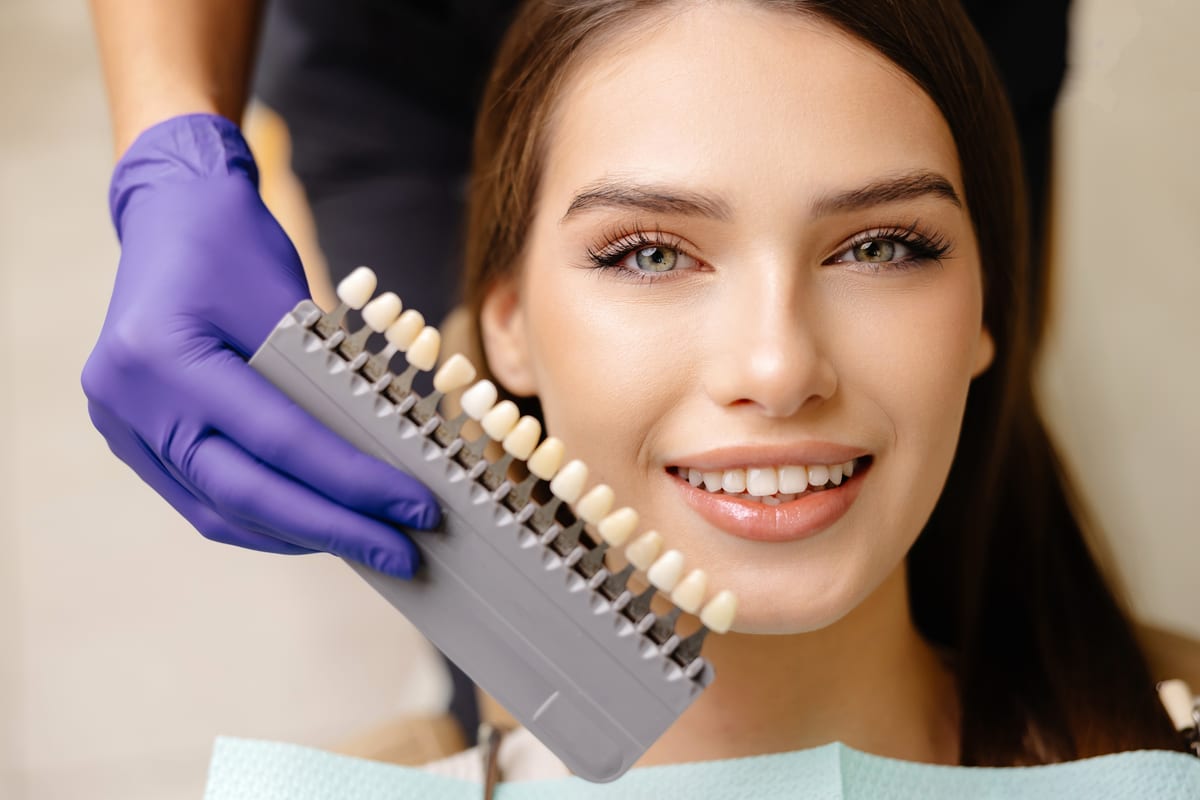
A shade guide with dozens of tooth-color samples helps narrow down your options. Dr. Yousef holds each sample against your teeth in natural lighting. Digital imaging can also show a preview of different shade options on your actual smile. This takes the guesswork out of the decision.
Keep these shade considerations in mind:
- Choose a shade that matches your natural teeth if only doing a few veneers
- Consider your skin undertones — warm or cool tones affect how white looks on you
- Veneers cannot be whitened later, so pick a shade you love long-term
- A slightly off-white shade often looks more natural than bright white
The Final Bonding Appointment: Completing the Veneer Process in Pittsburgh
Your final appointment is when everything comes together. Dr. Yousef removes your temporaries and cleans your prepared teeth. She then places each veneer to check the fit, color, and bite before permanently bonding anything. Minor adjustments happen at this stage if needed.
Once you approve the fit and appearance, a special dental adhesive bonds each veneer to your tooth. A curing light hardens the adhesive quickly. Dr. Yousef then checks your bite and polishes the veneers to a natural sheen. The entire bonding appointment usually takes one to two hours.
After bonding, your teeth may feel slightly different for a few days. Your bite adjusts naturally within a week. Most patients leave the office smiling immediately. With proper care, porcelain veneers can last ten to fifteen years or more.
Caring for your veneers is straightforward:
- Brush twice daily with a non-abrasive toothpaste
- Floss daily to protect the gum line around each veneer
- Wear a nightguard if you grind your teeth
- Attend regular cleanings and checkups at our Pittsburgh office
Conclusion
Understanding what happens to your natural teeth during the veneer process in Pittsburgh helps you feel prepared and confident. The process involves consultation, enamel preparation, temporaries, shade selection, and final bonding. Each step is designed to protect your oral health while creating a smile you love. Dr. Hadil Yousef and the team at South Hills Dental Arts – Upper St. Clair are here to guide you every step of the way. Book Now to schedule your appointment with our team.
Frequently Asked Questions
Does the veneer process hurt?
Most patients experience little to no discomfort during enamel preparation because local anesthetic is used. Some mild sensitivity is normal after the appointment and typically fades within a few days. Temporary veneers protect your teeth while you wait for your final restorations.
How much enamel is removed for veneers?
Dr. Yousef typically removes between 0.3 and 0.5 millimeters of enamel. This is a very small amount — roughly the thickness of a contact lens. She removes only what is necessary to ensure a natural fit and appearance.
Can I change my mind after enamel is removed?
Enamel removal is permanent, so veneers are a lifelong commitment. Your teeth will always need a veneer or similar restoration after preparation. This is why a thorough consultation with Dr. Yousef before treatment is so important.
How long does the entire veneer process take?
From your first consultation to your final bonding appointment, the process typically takes two to four weeks. The laboratory phase takes one to two weeks. You wear temporary veneers during this waiting period so your teeth stay protected and you can preview your new look.
How do I keep my veneers looking great long-term?
Brush with a non-abrasive toothpaste, floss daily, and visit our Pittsburgh office for regular cleanings. Avoid biting hard objects like ice or pen caps. If you grind your teeth at night, wearing a custom nightguard significantly extends the life of your veneers.