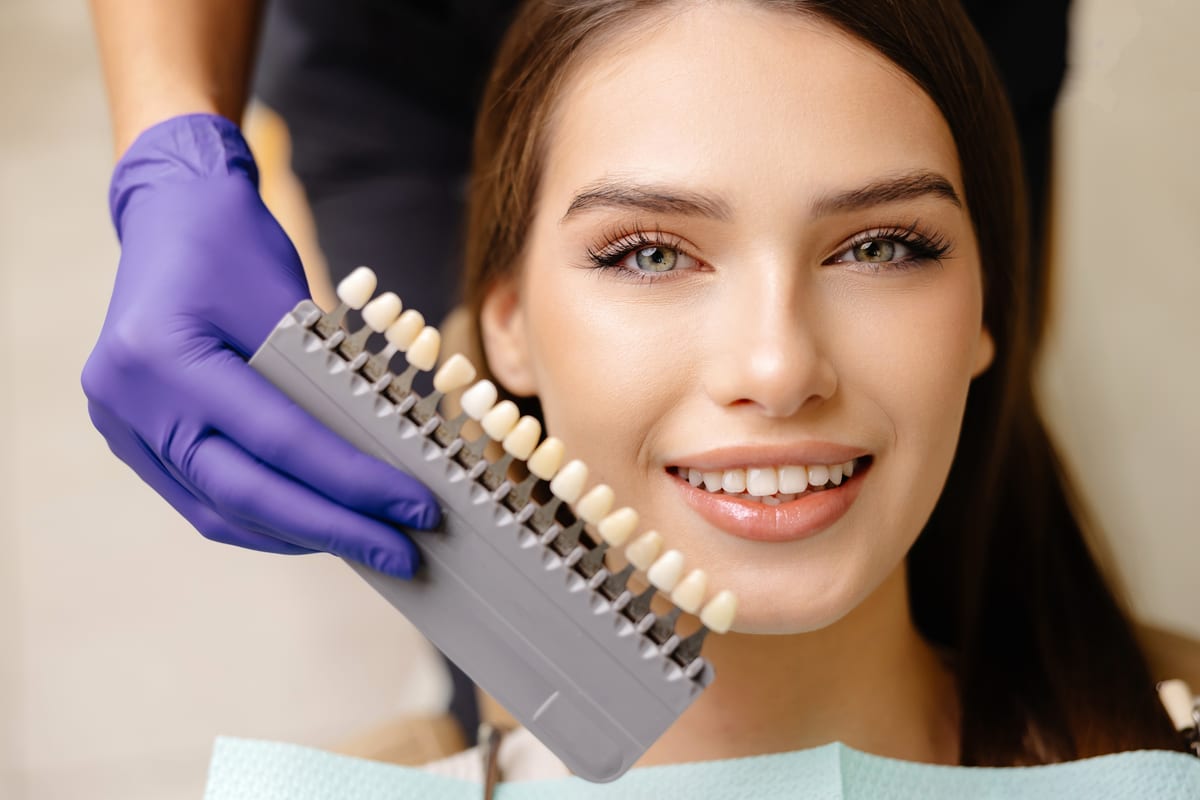
Black Friday special for Zoom whitening


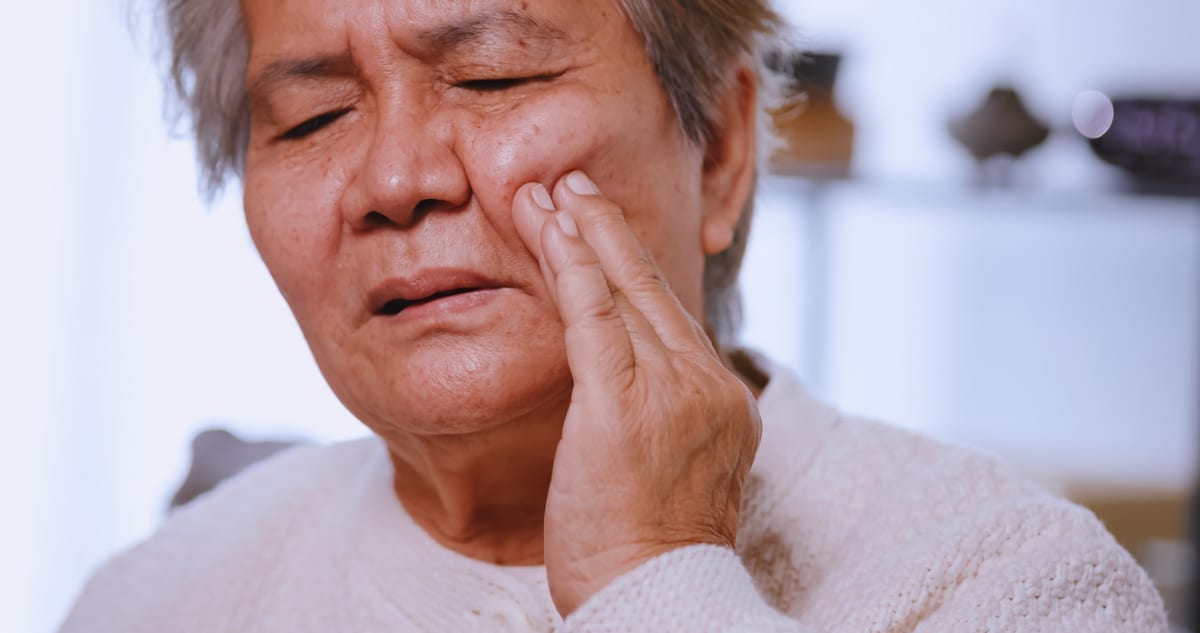
TMJ pain can make everyday activities feel impossible. Chewing, yawning, and even talking can trigger sharp jaw discomfort. If you live in Sewickley and want to stop TMJ pain at home with exercises and habits that actually work, this guide is for you. Dr. Steven R. Crandall and the team at South Hills Dental Arts – Sewickley have helped many patients manage their symptoms — and self-care plays a huge role.
What Is TMJ and Why Does It Hurt?
TMJ stands for temporomandibular joint. These are the two joints that connect your lower jaw to your skull. They work like hinges and allow your jaw to open, close, and move side to side.
When these joints become inflamed or misaligned, the result is called TMJ disorder. Symptoms include jaw pain, clicking sounds, headaches, and neck tension. Some patients also experience ear pain or difficulty opening their mouth wide.
TMJ disorders are surprisingly common. Stress, teeth grinding, and poor posture are among the most frequent causes. Understanding your triggers is the first step toward finding real relief.
Jaw Exercises to Stop TMJ Pain at Home in Sewickley
Targeted jaw exercises can reduce pain and improve joint function. These movements gently stretch and strengthen the muscles around your jaw. Consistency matters — do them daily for the best results.
Always start slowly and never push through sharp pain. If an exercise worsens your symptoms, stop immediately. Talk to Dr. Crandall before starting any new exercise routine if your pain is severe.
Here are effective TMJ exercises to try at home:
- Relaxed jaw rest: Rest your tongue gently on the roof of your mouth. Allow your teeth to come apart and relax your jaw muscles completely.
- Chin tucks: Pull your chin straight back to create a slight double chin. Hold for three seconds and repeat ten times.
- Resisted mouth opening: Place your thumb under your chin. Slowly open your mouth while pushing gently upward. Hold for three to six seconds, then close.
- Side-to-side movement: Place a thin object between your front teeth. Slowly move your jaw from side to side. As it gets easier, use a slightly thicker object.
- Forward jaw stretch: Slowly move your lower jaw forward until your bottom teeth are in front of your top teeth. Hold briefly, then return to normal position.
Perform each exercise six to ten times per session. Two to three sessions per day is ideal. Track your pain levels so you can report changes to your dentist.
Heat, Cold, and Lifestyle Habits That Reduce TMJ Symptoms
Temperature therapy is a simple and powerful tool. Heat relaxes tight jaw muscles and increases blood flow to the area. Apply a warm compress to your jaw for fifteen to twenty minutes at a time.
Cold therapy works differently. Ice packs reduce inflammation and numb sharp pain. Use cold for no more than ten minutes, always wrapped in a cloth to protect your skin.
Dietary changes also make a significant difference. A soft-food diet gives your jaw muscles a chance to rest and recover. Avoid hard, crunchy, or chewy foods until your symptoms improve.
Foods to avoid during a TMJ flare-up include:
- Hard candies and nuts
- Chewy breads like bagels or baguettes
- Raw carrots and hard vegetables
- Tough meats like steak or jerky
- Chewing gum — this is one of the worst offenders
Switch to softer alternatives like cooked vegetables, yogurt, eggs, fish, and smoothies. Small bites and chewing on both sides of your mouth evenly can also reduce strain.
Stress Management and Posture: Hidden TMJ Triggers
Stress is one of the most overlooked causes of TMJ pain. When you are anxious or tense, you may clench your jaw without realizing it. This constant muscle tension leads to soreness and inflammation over time.
Mindfulness practices like deep breathing and meditation can help. Even five to ten minutes of focused breathing each day reduces physical tension. Try progressive muscle relaxation before bed to release jaw tightness while you sleep.
Posture also matters more than most people expect. Forward head posture — common when working at a desk or looking at a phone — strains the jaw and neck muscles. Keep your ears aligned over your shoulders when sitting or standing.
Here are habits that make TMJ pain worse and should be avoided:
- Resting your chin on your hand
- Clenching your teeth during stressful moments
- Sleeping on your stomach with your face pressed into a pillow
- Biting your nails or chewing on pens
- Opening your mouth too wide when yawning
If you grind your teeth at night, a custom night guard from Dr. Crandall can protect your joints while you sleep. This is one of the most effective tools for reducing overnight jaw strain.
When Home Care Is Not Enough: Seeking Professional Help in Sewickley
Self-care works well for mild to moderate TMJ symptoms. But some cases require professional treatment to get lasting relief. If your pain is severe, worsening, or has lasted more than a few weeks, it is time to see a dentist.
Dr. Steven R. Crandall at South Hills Dental Arts – Sewickley offers dedicated TMJ Treatment to address the root cause of your discomfort. Treatment options may include custom oral appliances, bite adjustments, or targeted therapies based on your specific diagnosis.
Sometimes TMJ pain develops alongside other dental concerns. If you experience sudden jaw pain combined with dental trauma or a broken tooth, you may need Emergency Dentistry Sewickley services right away. Do not wait when symptoms are acute.
Many patients who seek TMJ treatment also discover they want to improve the appearance of their smile. Once your jaw health is restored, exploring Cosmetic Dentistry Sewickley options like veneers or teeth whitening becomes an exciting next step.
Build a Daily TMJ Self-Care Routine That Sticks
Managing TMJ pain long-term requires consistency, not perfection. Building small, sustainable habits into your daily routine makes a real difference. Think of it as protecting one of the most-used joints in your entire body.
Start your morning with a brief jaw relaxation exercise. Apply heat if you wake up with stiffness. Eat a soft breakfast and be mindful of clenching throughout the day.
In the evening, practice a short stress-relief routine before bed. Use a cold pack if you had a particularly painful day. Sleep on your back or side with proper neck support.
Track your symptoms in a simple journal. Note what makes pain better or worse. This information helps Dr. Crandall provide the most accurate and personalized care during your visits.
Frequently Asked Questions
How long does it take for TMJ exercises to work?
Most people notice improvement within two to four weeks of consistent daily exercise. Results depend on the severity of your TMJ disorder and how consistently you practice. Some patients feel relief sooner, especially when they also make dietary and lifestyle changes alongside their exercises.
Can stress alone cause TMJ pain?
Yes, stress is a major contributor to TMJ disorders. Stress often causes unconscious jaw clenching and teeth grinding, which inflame the joint over time. Managing stress through breathing exercises, meditation, and relaxation techniques can significantly reduce TMJ symptoms.
Is it safe to use heat and ice on my jaw?
Both heat and cold therapy are safe when used correctly. Apply heat for fifteen to twenty minutes to relax tight muscles. Use cold packs for no more than ten minutes at a time to reduce inflammation. Always wrap ice in a cloth to avoid skin irritation.
What foods should I avoid if I have TMJ pain?
Avoid hard, crunchy, and chewy foods like raw vegetables, hard candies, tough meats, bagels, and chewing gum. These place excessive strain on an already inflamed joint. A soft-food diet gives your jaw muscles time to rest and recover during a flare-up.
When should I see a dentist for TMJ pain?
You should see a dentist if your pain is severe, lasts more than a few weeks, or interferes with eating or speaking. Worsening symptoms, jaw locking, or clicking that comes with pain also warrants professional attention. Dr. Crandall at South Hills Dental Arts – Sewickley can evaluate your condition and recommend the right treatment plan for you.
Living with TMJ pain does not have to be your new normal. With the right exercises, smart dietary choices, and stress management habits, real relief is within reach. The team at South Hills Dental Arts – Sewickley is here to support your jaw health every step of the way. Book Now to schedule your appointment with our team.