Black Friday special for Zoom whitening


Your dental appointments are important — but what happens between them matters just as much. The daily habits you build at home directly affect your oral health. If you want to keep your smile healthy between dental visits with these expert tips in Sewickley, you are in the right place. Dr. Steven R. Crandall and the team at South Hills Dental Arts – Sewickley have put together practical, proven guidance for every patient.
Master the Right Brushing Technique Between Visits
Most people brush their teeth every day — but many are not doing it correctly. Brushing effectively removes plaque before it hardens into tartar. Using the wrong technique can actually damage your enamel and irritate your gums over time.
Here is what Dr. Crandall recommends for proper brushing:
- Use a soft-bristled toothbrush to protect enamel and gum tissue
- Hold your brush at a 45-degree angle to your gumline
- Brush in small circular motions — never scrub back and forth aggressively
- Brush for a full two minutes, twice every day
- Replace your toothbrush every three to four months
Electric toothbrushes are an excellent option for many patients. They remove more plaque than manual brushing in most cases. If you have sensitive teeth or gum concerns, ask Dr. Crandall which brush type suits your needs best.
Do not forget your tongue. Bacteria collect on the tongue’s surface and contribute to bad breath. A gentle brush or tongue scraper each morning makes a real difference.
Flossing Tips to Protect Your Gum Health in Sewickley
Flossing is the step most patients skip — and it shows. Brushing only cleans about 60% of your tooth surfaces. The spaces between teeth and below the gumline require flossing to stay clean. Skipping floss leaves those areas vulnerable to decay and gum disease.
Floss at least once daily. Use about 18 inches of floss so you always have a clean section for each tooth. Gently curve the floss around each tooth in a C-shape and slide it just below the gumline.
If traditional floss feels difficult, you have options. Floss picks, interdental brushes, and water flossers all work well. Water flossers are especially helpful for patients with braces, bridges, or dental implants. The key is to choose a method you will actually use consistently.
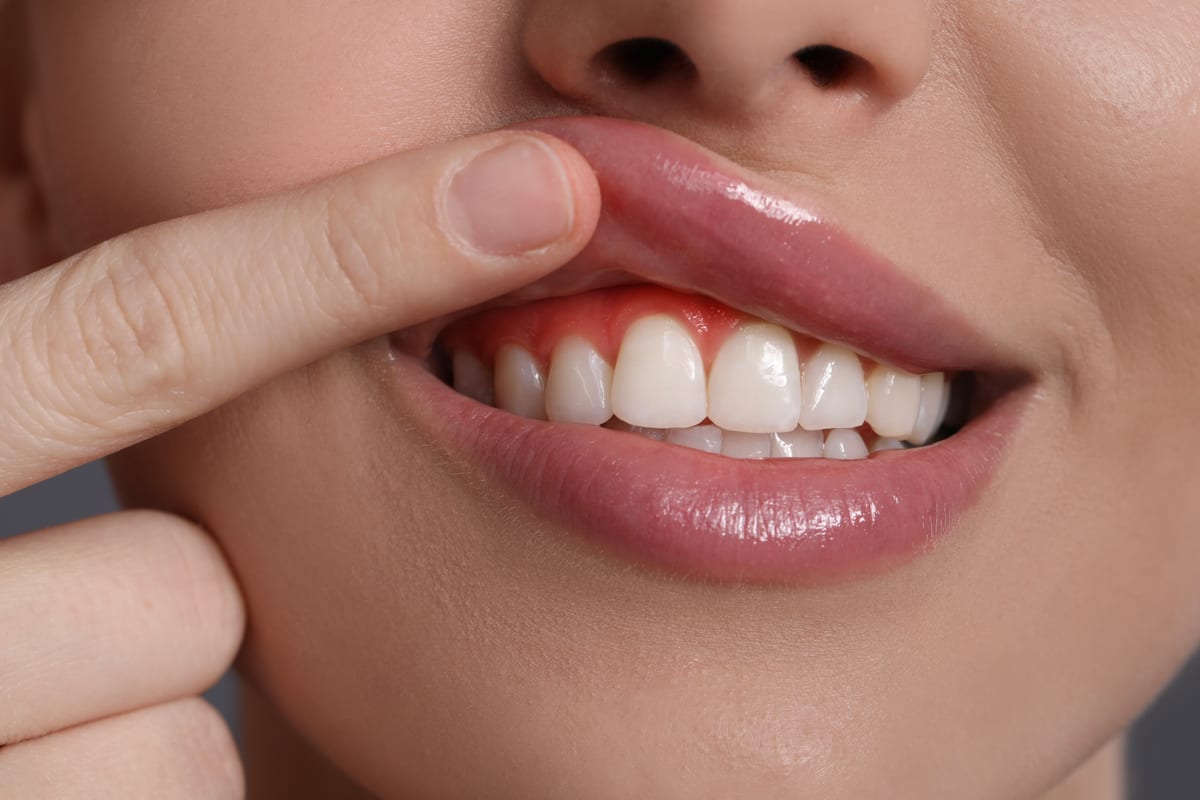
Healthy gums do not bleed when you floss properly. If yours do, that is a signal worth discussing with Dr. Crandall at your next visit.
Diet Adjustments That Support a Healthy Smile
What you eat and drink directly impacts your oral health. Sugary and acidic foods feed the bacteria that cause tooth decay. Making smart diet choices between appointments helps protect your results. This is especially true if you have recently completed cosmetic or restorative work.
Foods and drinks to limit include:
- Sugary sodas, sports drinks, and fruit juices
- Sticky candies, caramels, and dried fruit
- Acidic foods like citrus fruits and vinegar-based snacks
- Alcohol, which dries out your mouth and reduces saliva
- Coffee and tea, which can stain teeth over time
Foods that support strong teeth include leafy greens, dairy products, nuts, and crunchy vegetables like carrots and celery. Water is always the best drink for your mouth. It rinses away food particles and keeps saliva flowing.
If you enjoy coffee or tea, rinse your mouth with water afterward. This simple step reduces staining and acid exposure. Drinking through a straw also helps minimize contact with your teeth.
Choosing the Right Oral Care Products at Home
Walking down the dental aisle at the store can feel overwhelming. There are hundreds of toothpastes, mouthwashes, and tools available. Choosing the right products makes a significant difference in your daily routine.
Look for toothpaste with fluoride — it strengthens enamel and prevents decay. If you have sensitivity, choose a toothpaste formulated specifically for sensitive teeth. Whitening toothpastes are fine for occasional use but can be abrasive if used daily. Ask Dr. Crandall which formula suits your individual needs.
Mouthwash is a helpful addition to your routine. Antimicrobial or fluoride rinses can reduce bacteria and strengthen enamel. However, mouthwash should complement brushing and flossing — not replace them.
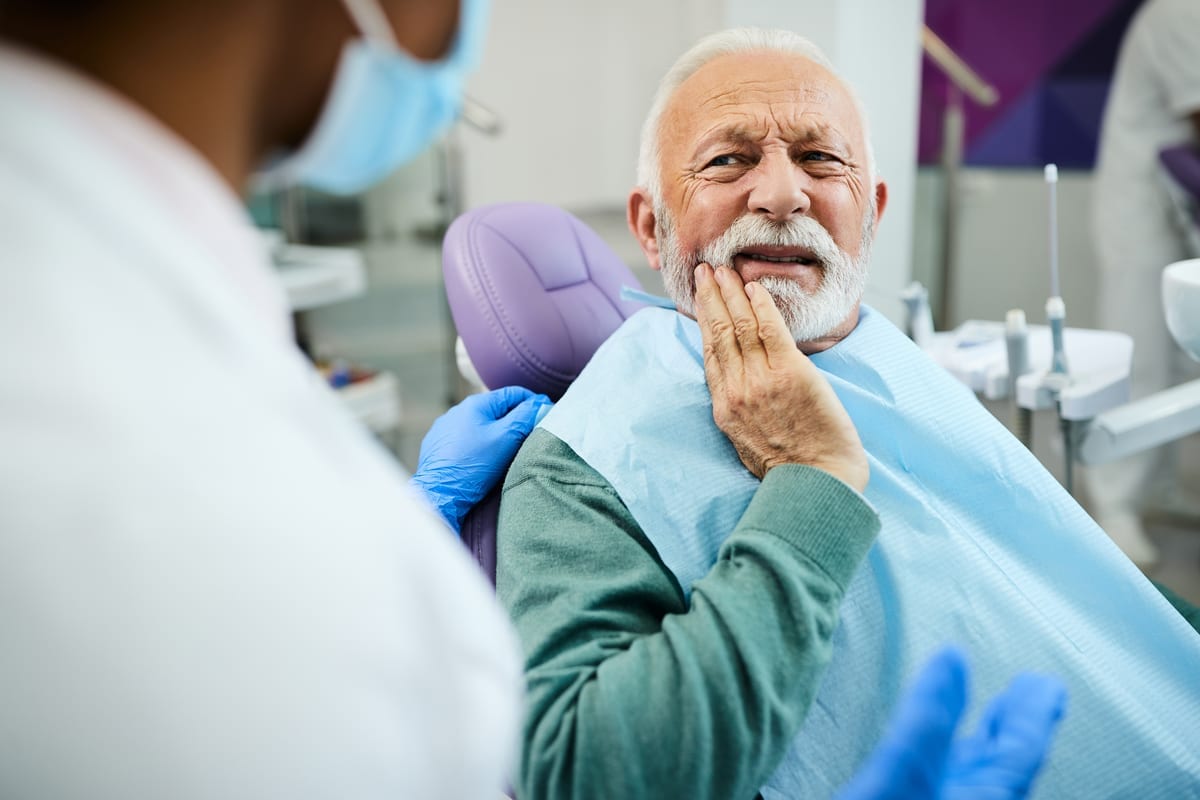
If you experience a sudden toothache, chip, or oral injury between appointments, do not wait. Reach out to South Hills Dental Arts – Sewickley right away. Emergency Dentistry Sewickley is available to address urgent concerns before they become more serious problems.
How to Maintain Cosmetic and Restorative Results Between Appointments
Patients who have invested in veneers, whitening, implants, or other treatments want those results to last. Proper at-home care is the biggest factor in preserving your investment. The good habits described above apply here — but a few extra steps help.
Avoid biting into hard foods like ice or hard candy. Wear a custom mouthguard if you grind your teeth at night. If you have had whitening treatment, limit staining foods for at least 48 hours after each session.
Patients interested in enhancing their smiles can also explore our full range of services. Cosmetic Dentistry Sewickley options at South Hills Dental Arts include veneers, Invisalign, and professional whitening that complement your everyday care routine.
If you wear Invisalign aligners, clean them daily with a soft brush and lukewarm water. Never use hot water — it can warp the plastic. Remove your aligners before eating or drinking anything other than water.
Why Consistent At-Home Care Matters for Sewickley Patients
Professional cleanings remove what your toothbrush and floss cannot. But those cleanings only happen every six months for most patients. Everything in between depends entirely on you. Building consistent daily habits is the foundation of a lifetime of good oral health.
Small efforts add up quickly. Two minutes of brushing morning and night, one flossing session daily, and smart food choices create a strong defense against decay and gum disease. These habits protect your natural teeth and any restorative or cosmetic work you have had done.
At South Hills Dental Arts – Sewickley, Dr. Crandall and our team are here to support you every step of the way. Whether you have questions about products, techniques, or your individual oral health needs, we welcome the conversation at your next visit.
Your smile deserves consistent care both in the office and at home. Book Now to schedule your appointment with our team.
Frequently Asked Questions
How often should I brush my teeth between dental visits?
You should brush your teeth at least twice daily — once in the morning and once before bed. If possible, brushing after meals provides extra protection against plaque buildup. Always use a soft-bristled toothbrush and fluoride toothpaste for the best results.
Is flossing really necessary if I brush thoroughly?
Yes — flossing is essential. Brushing only reaches about 60% of your tooth surfaces. Flossing cleans the tight spaces between teeth and just below the gumline where plaque hides. Skipping floss significantly increases your risk of cavities and gum disease in those hard-to-reach areas.
What foods should I avoid to protect my teeth between appointments?
Limit sugary drinks, sticky candies, acidic foods, and alcohol. These weaken enamel and feed decay-causing bacteria. Focus on water, dairy products, leafy greens, and crunchy vegetables like carrots to support strong, healthy teeth between your visits to South Hills Dental Arts – Sewickley.
Can I whiten my teeth at home safely between dental visits?
Over-the-counter whitening products can be used safely with guidance. However, professional whitening performed or recommended by Dr. Crandall delivers better and longer-lasting results. If you use at-home whitening strips, follow the instructions carefully and avoid overuse to protect your enamel.
When should I contact the dentist between scheduled appointments?
Contact South Hills Dental Arts – Sewickley right away if you experience tooth pain, swelling, a broken tooth, or any sudden change in your oral health. These situations should not wait until your next scheduled cleaning. Prompt care prevents small problems from becoming larger and more complex issues.