Black Friday special for Zoom whitening

Wondering what actually happens during your full-mouth restoration appointment in Sewickley? You are not alone. Many patients feel nervous simply because they do not know what to expect. At South Hills Dental Arts, Dr. Steven R. Crandall and his team believe that understanding each step makes the entire experience far less stressful. This guide walks you through the process from start to finish — what each stage involves, how it feels, and how the team keeps you comfortable throughout.
Step One: Your Comprehensive Evaluation and Planning Session
Every full-mouth restoration begins with a thorough evaluation. Dr. Crandall examines your teeth, gums, bite, and jaw function during this first appointment. He uses digital X-rays and intraoral photos to get a clear picture of your oral health. This step is completely non-invasive and takes roughly 60 to 90 minutes.
After the exam, Dr. Crandall reviews his findings with you in plain language. He explains which teeth need attention and why. You will learn about every recommended treatment before anything begins. Nothing moves forward without your full understanding and consent.
This planning stage also considers your goals. Do you want a fully functional bite? A more confident smile? Both? Your answers shape the entire treatment plan. The team takes time to match the plan to your life — not just your X-rays.
What Actually Happens During Your Full-Mouth Restoration Appointment Sewickley: The Treatment Sequence
Full-mouth restoration is rarely a single appointment. Most patients complete treatment in a planned sequence of visits. Dr. Crandall maps out this sequence in advance so you always know what comes next. The order typically follows a logical, health-first approach.
Here is the general treatment order patients can expect:
- Gum health treatment first — Healthy gums are the foundation of any restoration.
- Tooth structure repairs — Damaged or decayed teeth are restored before cosmetic work begins.
- Bite correction — Alignment issues, including TMJ-related problems, are addressed mid-sequence.
- Cosmetic finishing — Final restorations like Veneers or crowns complete the smile.
- Implant placement — Dental Implants are placed and allowed to integrate before final restorations are attached.
This sequence protects your investment. Doing things out of order can mean redoing earlier work. Dr. Crandall plans carefully so each stage builds on the last.
What You Feel During Each Stage — and How Comfort Is Managed
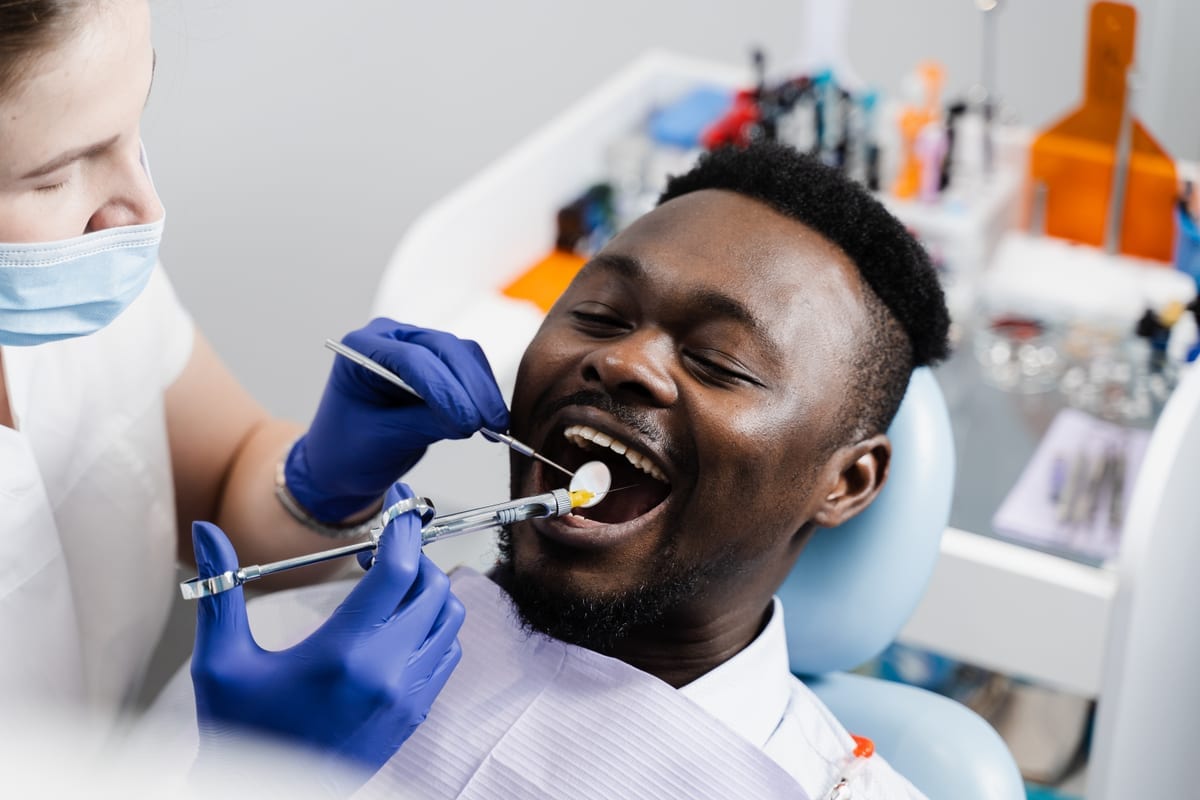
Patient comfort is a priority at every step. Before any hands-on treatment begins, the team thoroughly numbs the area being treated. Most patients are surprised by how little they actually feel during the procedure itself. Topical numbing gel is applied before any injection to minimize discomfort.
For patients with dental anxiety, sedation options are available. Dr. Crandall discusses these options during the planning appointment. You do not have to white-knuckle your way through treatment. The team checks in with you frequently during every visit.
Between visits, mild soreness is normal. The team provides clear aftercare instructions to manage any sensitivity. Most patients find that discomfort between appointments is minimal and short-lived. Over-the-counter pain relievers are typically all that is needed.
Key comfort measures used throughout your restoration include:
- Topical anesthetic before every injection
- Local anesthesia tailored to each treatment area
- Sedation options for anxious patients
- Frequent check-ins during procedures
- Detailed aftercare instructions after every visit
- Direct access to the care team if questions arise between appointments
Temporary Restorations: Looking and Feeling Normal Between Visits
Many patients worry about how they will look and function between major treatment stages. This concern is completely valid. Dr. Crandall addresses it by placing high-quality temporary restorations. These temporaries protect prepared teeth and maintain your appearance during the process.
Temporaries are not just placeholders. They also help the team assess fit and comfort before final restorations are made. If something needs adjustment, it is far easier to correct at the temporary stage. This step saves time and ensures a better final result.
You can eat, speak, and smile normally while wearing temporaries. The team gives you specific guidance on what foods to avoid. Most patients adapt quickly and feel confident throughout the restoration process.
The Final Placement Appointment: Seeing Your Results
The final appointment is often the most rewarding part of the process. Permanent restorations are placed and carefully checked for fit, bite, and appearance. Dr. Crandall makes any last adjustments before bonding or cementing final pieces into place. This appointment typically feels lighter than earlier treatment visits.
Most permanent restorations require little to no anesthesia during placement. The focus shifts to precision and aesthetics. Dr. Crandall checks your bite from multiple angles to ensure everything functions correctly. You leave this appointment with your full smile restored.
After final placement, the team schedules a follow-up visit. This check ensures your bite has settled correctly and that you are comfortable. Long-term maintenance guidance is provided at this stage. Proper home care and regular visits protect your results for years to come.
Conclusion: Your Transformation Starts With One Conversation
Understanding what actually happens during your full-mouth restoration appointment in Sewickley removes a lot of the uncertainty. Dr. Crandall and the South Hills Dental Arts team guide you through every stage with clear communication and genuine care. You will never feel rushed or confused about what comes next. The process is thoughtful, step-by-step, and designed around your comfort and long-term health. Book Now to schedule your appointment with our team.
Frequently Asked Questions
How long does a full-mouth restoration take from start to finish?
The timeline varies depending on how many teeth are involved and which treatments are needed. Most full-mouth restorations take between six months and two years to complete. Dr. Crandall provides a detailed timeline during your planning appointment so you know exactly what to expect.
Will I be in pain during the restoration process?
The team uses local anesthesia and topical numbing agents to keep you comfortable during every procedure. Sedation is also available for patients with dental anxiety. Between visits, mild soreness is common but usually manageable with over-the-counter pain relievers.
Can I still go to work during my restoration treatment?
Most patients return to work the same day or the day after each appointment. Treatment visits are scheduled to minimize disruption to your routine. The team will let you know in advance if any appointment may require additional recovery time.
What happens if I need both implants and veneers?
Dr. Crandall sequences treatments so implants are placed and fully integrated before final cosmetic restorations are completed. This ensures everything fits together correctly and looks natural. Your full treatment plan will map out exactly how these two treatments coordinate.
How do I maintain my results after a full-mouth restoration?
Daily brushing and flossing are essential. Regular checkups and professional cleanings at South Hills Dental Arts help protect your investment long-term. Dr. Crandall provides personalized maintenance recommendations based on your specific restorations and oral health history.