Black Friday special for Zoom whitening

If you live in Edgeworth and your dentist has mentioned gum disease, you probably have questions. What actually happens during treatment? Will it hurt? How long does it take? Understanding what happens during gum disease treatment — a step-by-step patient guide for Edgeworth residents — can ease your anxiety and help you feel prepared. Dr. Steven R. Crandall and the team at South Hills Dental Arts – Sewickley are here to walk you through every stage clearly and honestly.
Step One: Your Initial Gum Disease Evaluation in Edgeworth
Every treatment begins with a thorough assessment. Dr. Crandall starts by measuring the depth of the pockets around each tooth. These small spaces between your gum and tooth tell us a great deal about your gum health.
We use a small, painless instrument called a periodontal probe. The numbers we record help classify how far the disease has progressed. Healthy gum pockets measure one to three millimeters. Deeper pockets often signal moderate to severe gum disease.
We also take X-rays to check for bone loss around your teeth. This full picture helps Dr. Crandall design a treatment plan that matches your specific condition. Nothing is rushed or one-size-fits-all.
- Pocket depth measurements around every tooth
- Visual exam for redness, swelling, and bleeding
- Digital X-rays to assess bone levels
- Review of your medical history and risk factors
- Clear explanation of findings before any treatment begins
Step Two: Scaling and Root Planing — The Core of Gum Disease Treatment
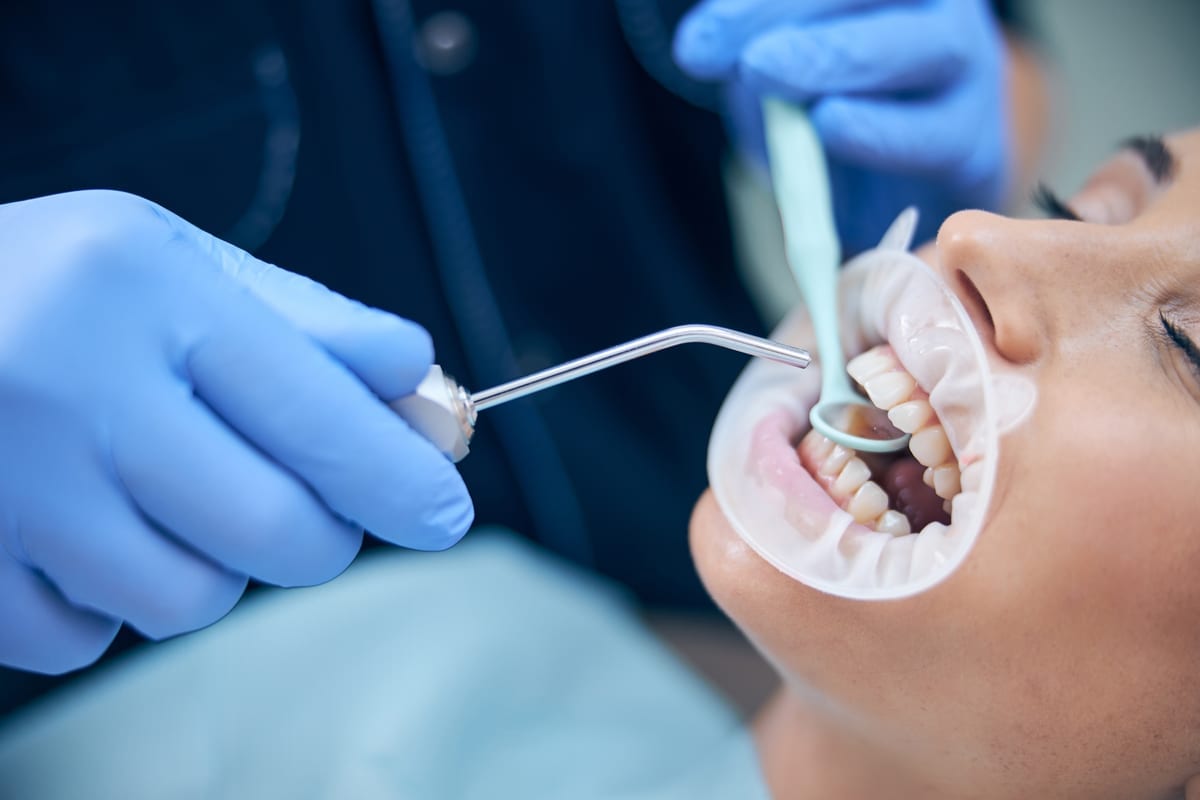
The most common non-surgical treatment for gum disease is scaling and root planing. This is a deep cleaning that goes below the gumline. It removes harmful bacteria, tartar buildup, and plaque from root surfaces.
Scaling removes deposits from the tooth surface and pocket walls. Root planing then smooths the root so gum tissue can reattach properly. This two-part process is the foundation of gum disease treatment for most Edgeworth patients.
We typically numb the area with a local anesthetic before starting. You will feel pressure but not sharp pain. Many patients are pleasantly surprised by how comfortable the procedure actually is.
Depending on the severity, we may treat one area per visit or divide treatment into quadrants. This approach keeps each session manageable. It also lets us monitor how well your gums respond before moving forward.
What You Feel During and After Treatment — Comfort at Every Stage
Patient comfort is a genuine priority at South Hills Dental Arts – Sewickley. We take time to make sure the anesthetic has fully taken effect before we begin. You can always ask us to pause or adjust at any point.
During the procedure, you may hear the sound of ultrasonic instruments. These tools use gentle vibrations to break up tartar. They are effective and far less uncomfortable than older manual methods alone.
After treatment, mild soreness and sensitivity are completely normal. Your gums may feel tender for a few days. Over-the-counter pain relief and a soft diet usually manage this well.
- Local anesthetic numbs the area before any deep cleaning begins
- Ultrasonic scalers reduce manual scraping and patient discomfort
- We check in with you throughout the entire procedure
- Post-treatment sensitivity typically fades within one week
- We provide clear aftercare instructions before you leave
Step Three: Follow-Up Care and Periodontal Maintenance
Gum disease treatment does not end when you leave the chair. A follow-up visit is scheduled four to six weeks later. Dr. Crandall re-measures your pocket depths to see how well your gums have healed.
In many cases, pockets shrink and gum tissue becomes firmer and healthier. This is a great sign that the treatment worked. Some patients with more advanced disease may need additional treatment or a referral to a periodontist.
Most patients then move to a periodontal maintenance schedule. This means professional cleanings every three to four months instead of the standard six. More frequent cleanings prevent bacteria from rebuilding to harmful levels.
Healthy gums also support other dental work long-term. For example, patients who later choose Dental Implants need a stable gum foundation first. Treating gum disease early protects your full oral health investment.
How Gum Health Connects to Your Smile’s Future
Treating gum disease opens the door to a healthier, more confident smile. Once your gums are stable, other cosmetic or restorative options become possible. Many Edgeworth patients revisit aesthetic goals after their gum health is under control.
Some patients explore options like Veneers once their gum tissue is healthy and stable. Cosmetic work always performs better on a healthy foundation. Dr. Crandall takes a whole-mouth approach that connects every treatment to your long-term wellbeing.
The steps in gum disease treatment are not just about stopping disease. They are about giving your mouth the best possible foundation. Every stage is designed with your health and comfort in mind.
Conclusion: Take the First Step Toward Healthier Gums
Now you know what happens during gum disease treatment — a step-by-step patient guide tailored for Edgeworth residents. The process is structured, comfortable, and manageable. Dr. Crandall and the team at South Hills Dental Arts – Sewickley are ready to support you through every stage. Book Now to schedule your appointment with our team.
Frequently Asked Questions
Is gum disease treatment painful?
Most patients experience little to no discomfort during treatment because we use local anesthetic. You may feel mild soreness after the procedure, but this typically resolves within a few days. We always prioritize your comfort and check in throughout the visit.
How many appointments does gum disease treatment take?
This depends on the severity of your gum disease. Mild cases may be treated in one or two visits. More advanced cases often involve multiple appointments, with treatment divided by sections of the mouth to keep sessions manageable.
What is the difference between a regular cleaning and a deep cleaning?
A regular cleaning removes plaque and tartar from above the gumline. A deep cleaning, or scaling and root planing, cleans below the gumline where harmful bacteria accumulate in pockets. Deep cleaning is specifically designed to treat active gum disease.
Will my gums fully recover after treatment?
Many patients see significant improvement in gum health after treatment. Pockets often shrink, and gum tissue becomes firmer. However, gum disease is a chronic condition that requires ongoing maintenance cleanings to prevent it from returning.
Can I get other dental work done while being treated for gum disease?
Dr. Crandall typically addresses gum disease before proceeding with cosmetic or restorative work. Healthy gums provide the stable foundation that other treatments need to succeed long-term. Your treatment plan will be sequenced thoughtfully to achieve the best outcome.