Black Friday special for Zoom whitening

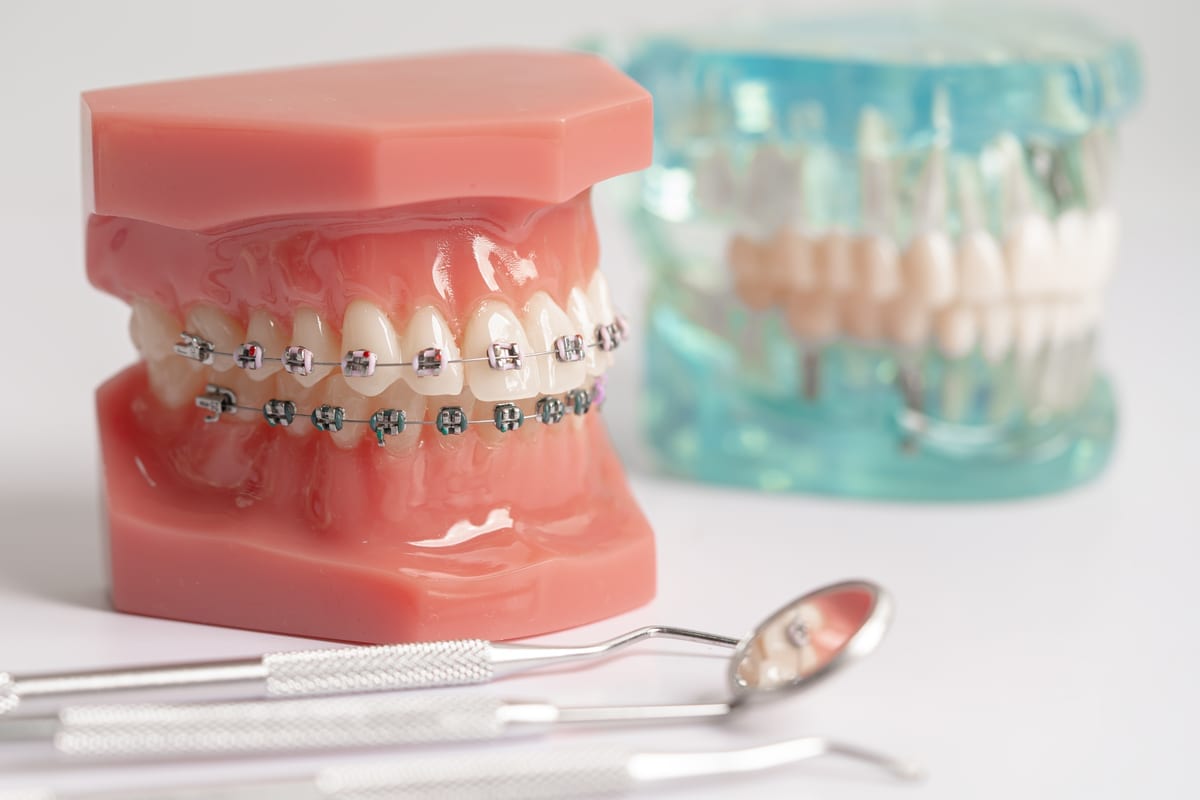
You spent months — maybe years — in braces. Your smile looks incredible. But here is the truth most patients in Sewickley discover too late: braces move your teeth, they do not permanently fix them there. Your braces results will last forever if you do this in Sewickley, but only if you commit to the right habits after treatment ends. Dr. Steven R. Crandall at South Hills Dental Arts – Sewickley has helped hundreds of patients protect their investment. This guide explains exactly how to make your results permanent.
Why Teeth Move After Braces in Sewickley
Teeth are not anchored as rigidly as you might think. They sit in a flexible periodontal ligament that allows natural movement. Once braces are removed, that ligament has a memory. It wants to pull teeth back toward their original position.
This process is called relapse. It happens to nearly every patient who does not follow post-treatment protocols. The rate of relapse depends on your age, the severity of your original misalignment, and how consistently you maintain your results.
Younger patients often experience faster relapse because their bone is still developing. Adults can also see shifting, especially if they grind their teeth or have untreated gum disease. Understanding these risks is the first step toward preventing them.
- Periodontal ligament memory pulls teeth toward original positions
- Bone density and age affect how quickly relapse occurs
- Untreated gum disease accelerates tooth movement
- Teeth grinding puts excessive pressure on alignment
- Gaps from missing teeth allow neighboring teeth to drift
The Most Important Thing You Can Do After Braces
Retainers are the single most powerful tool for protecting your results. Without consistent retainer wear, relapse is almost guaranteed. This is the critical step that separates patients who keep their smile for life from those who need retreatment.
Dr. Crandall typically recommends full-time retainer wear for the first several months after braces. After that, nightly wear becomes the long-term standard for most patients. Missing even a few nights per week can allow gradual shifting.
There are two main types of retainers. Removable retainers are easy to use but require discipline. Fixed retainers are bonded behind your teeth and work passively. Many patients benefit from both types working together for maximum protection.
- Wear your removable retainer every single night
- Never skip consecutive nights — shifting starts faster than you expect
- Have your fixed retainer checked at every dental visit
- Replace your removable retainer if it cracks, warps, or no longer fits snugly
- Store your retainer properly to avoid warping or loss
How Gum Health Directly Affects Your Braces Results in Sewickley
Healthy gums are the foundation of a stable smile. Gum disease weakens the bone and tissue that hold your teeth in place. Even perfectly straightened teeth will shift if the supporting structures are compromised.
Sewickley patients who completed orthodontic treatment should prioritize regular hygiene appointments. Braces can create extra spots where plaque accumulates. Those habits can persist even after braces come off if you are not careful about your routine.
If you notice red, swollen, or bleeding gums after braces, do not ignore it. Early gum disease is highly treatable, but advanced cases can permanently damage bone. Protecting your alignment means protecting your gum health first.
Good daily habits make a significant difference. Brush twice daily, floss every night, and use an antimicrobial rinse if your dentist recommends one. These simple steps dramatically extend the lifespan of your orthodontic results.
Other Habits That Shorten or Extend the Life of Your Results
Your daily lifestyle choices play a bigger role than most patients realize. Certain habits accelerate tooth movement while others reinforce your alignment over time. Being mindful of these factors helps you protect your smile for decades.
Bruxism — the clinical term for teeth grinding — is one of the most common causes of post-braces relapse. Grinding applies enormous force to your teeth throughout the night. A custom nightguard from Dr. Crandall can protect both your alignment and your enamel simultaneously.
If you have missing teeth anywhere in your mouth, that gap creates pressure that shifts surrounding teeth. Dental implants or other tooth replacement options help maintain the spacing your orthodontic treatment created. Ignoring a missing tooth is a fast way to undo years of treatment.
Your breathing patterns matter too. Chronic mouth breathing and tongue posture affect how teeth settle after treatment. If you struggle with airway issues, discussing them with Dr. Crandall helps address root causes — not just symptoms.
Staying on Track with Regular Dental Visits in Sewickley
Routine checkups are not optional after braces — they are essential. Every visit gives Dr. Crandall the opportunity to catch early signs of shifting, gum problems, or retainer wear before they become serious issues.
During these appointments, your retainer fit gets evaluated. A retainer that once fit perfectly may no longer seat correctly if gradual shifting has occurred. Catching this early allows for simple corrections rather than full retreatment.
Cleanings also remove calculus buildup that forms around fixed retainers. Calculus is hardened plaque that you cannot remove at home. Left untreated, it contributes to gum disease — which, as discussed above, directly threatens your alignment.
South Hills Dental Arts – Sewickley offers comprehensive general dentistry services designed to support your long-term oral health. Whether you need a routine exam, gum disease treatment, or guidance on maintaining your orthodontic results, our team is here to help every step of the way.
Conclusion: Your Smile Is Worth Protecting
Braces deliver results that can genuinely last a lifetime. But those results require active effort on your part. Wearing your retainer consistently, maintaining gum health, addressing grinding, and attending regular checkups are all non-negotiable steps. Sewickley patients who commit to this routine protect their investment for decades. Dr. Steven R. Crandall and the team at South Hills Dental Arts – Sewickley are ready to support your long-term smile goals. Book Now to schedule your appointment with our team.
Frequently Asked Questions
How long do braces results typically last without a retainer?
Without retainer wear, most patients begin to notice shifting within weeks to months after braces are removed. Significant relapse can occur within one to two years. The longer you go without wearing your retainer, the more difficult correction becomes. Consistent nightly retainer use is the only reliable way to preserve your results long-term.
Can I stop wearing my retainer after a few years?
Most orthodontists and general dentists recommend wearing your retainer indefinitely — at minimum every night for life. Teeth never fully stop their natural tendency to shift. Many adults who stopped retainer wear after a few years report noticeable changes in their smile over time. It is a small habit with a large payoff.
What should I do if my retainer no longer fits properly?
Do not force a retainer that no longer fits — this can cause pain and uneven pressure. Schedule an appointment with Dr. Crandall at South Hills Dental Arts – Sewickley as soon as possible. You may need a new retainer made or an evaluation to determine how much shifting has occurred. Early action prevents the need for more extensive retreatment.
Does teeth grinding really affect my orthodontic results?
Yes, significantly. Bruxism creates powerful lateral forces on your teeth that override the stability braces worked to create. Over time, grinding can cause teeth to flare, crowd, or shift out of alignment. A custom nightguard is one of the most effective ways to protect both your alignment and your tooth enamel from grinding damage.
How does gum disease affect teeth that were straightened with braces?
Gum disease attacks the bone and ligament that hold your teeth in position. As these structures weaken, teeth lose their anchorage and begin to drift — even teeth that were previously well-aligned. Treating gum disease early preserves both your oral health and your orthodontic results. Regular cleanings and checkups are the best prevention strategy available.